

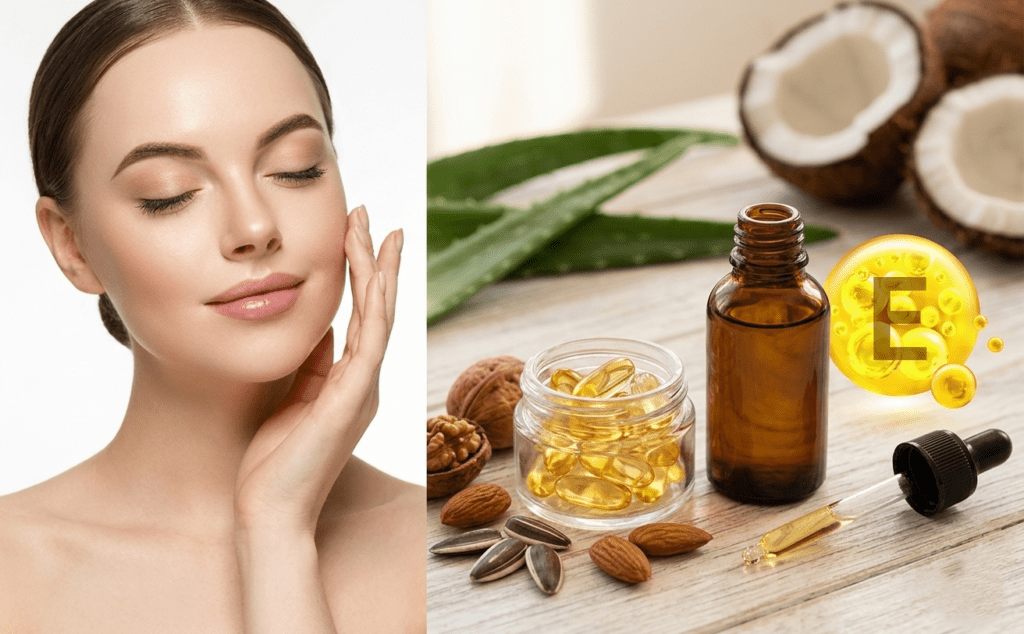
If there is one ingredient dermatologists and skincare enthusiasts consistently agree on, it is this: vitamin E capsule for face overnight use is one of the most powerful, accessible, and evidence-backed natural skincare treatments available. Vitamin E — scientifically known as tocopherol — is a fat-soluble antioxidant that your skin craves for protection, repair, and renewal. Whether you’re battling stubborn acne scars, early signs of aging, persistent dark spots, or simply dull and dehydrated skin, vitamin E for face delivers transformative results with remarkable consistency. In this complete guide, you’ll discover all 10 proven benefits, the exact step-by-step overnight method, six powerful DIY treatments, and everything you need to know to get started tonight.
What is Vitamin E and Why Does Skin Need It?
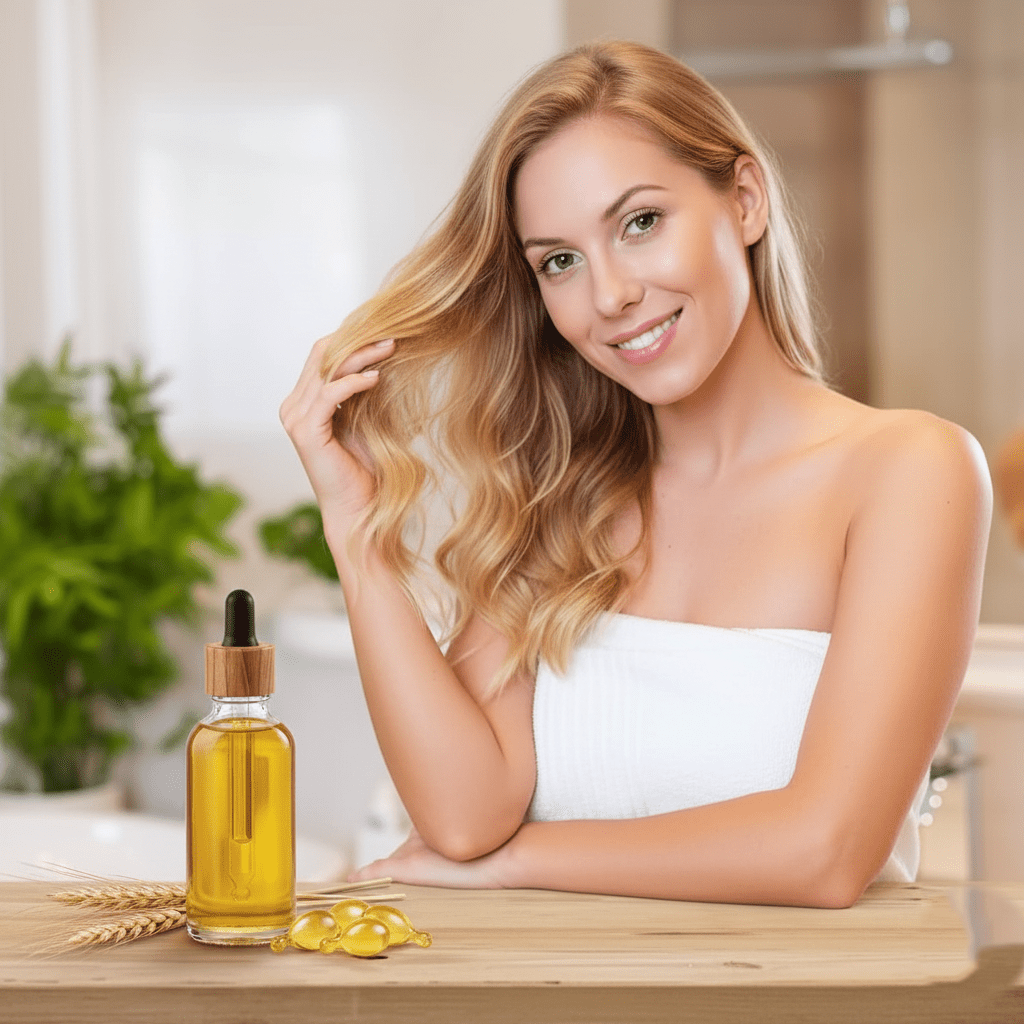
Vitamin E as a fat-soluble antioxidant: Unlike water-soluble vitamins that pass through the body quickly, vitamin E is fat-soluble — meaning it dissolves in and is stored within the skin’s own lipid-rich barrier. This property allows it to integrate directly into cell membranes throughout the skin’s layers, where it provides sustained, long-lasting antioxidant protection from within rather than simply sitting on the surface.
Tocopherol and tocotrienol: “Vitamin E” is actually a family of eight related compounds — four tocopherols (alpha, beta, gamma, delta) and four tocotrienols. Alpha-tocopherol is the most biologically active form in human skin and the form most commonly used in skincare products and supplements. When evaluating products, look for “d-alpha-tocopherol” (natural) rather than “dl-alpha-tocopherol” (synthetic), as the natural form is significantly more bioavailable and effective.
Free radical protection: Free radicals — unstable molecules produced by UV exposure, pollution, stress, and metabolic processes — attack and degrade the skin’s structural proteins collagen and elastin. This degradation is the primary driver of visible skin aging. Vitamin E neutralizes free radicals by donating an electron, stabilizing them and halting the chain reaction of oxidative damage. This mechanism makes it one of the most important antioxidants for long-term skin health.
Skin barrier support: Vitamin E plays a critical structural role in maintaining the integrity of the skin’s lipid barrier — the outermost protective layer that prevents moisture loss and shields against environmental irritants. Deficiency in skin vitamin E is associated with increased transepidermal water loss (TEWL), heightened sensitivity, and slower wound healing. Topical application of vitamin E for face directly replenishes this lipid barrier, improving its resilience and function.
Natural vs synthetic: Natural vitamin E (d-alpha-tocopherol) is derived from vegetable oils such as sunflower, soybean, and wheat germ. Synthetic vitamin E (dl-alpha-tocopherol) is petroleum-derived and consists of a mixture of eight stereoisomers, only one of which the body can utilize effectively. Natural vitamin E is approximately 36% more potent than the synthetic equivalent at the same IU dosage — a meaningful difference for skincare efficacy.
10 Proven Vitamin E Benefits for Face
1. Fades Acne Scars and Dark Spots
One of the most sought-after vitamin E for face benefits is its ability to improve the appearance of post-acne scarring and hyperpigmentation. Vitamin E accelerates the skin’s natural cellular renewal process, promoting the replacement of damaged, discolored cells with new, healthy ones. Its antioxidant action also reduces the inflammatory melanin overproduction that creates post-inflammatory hyperpigmentation (PIH) following breakouts. Applied consistently overnight to scarred areas, vitamin E’s oil-rich, occlusive texture creates an ideal healing environment where skin repair can proceed without interruption. For a complete guide to natural scar fading methods, see our article on how to get rid of acne scars and dark spots naturally.
2. Reduces Wrinkles and Fine Lines
Vitamin E’s collagen-protective antioxidant action directly addresses the root cause of fine lines and wrinkles: oxidative degradation of the skin’s structural proteins. By neutralizing the free radicals that break down collagen and elastin fibers, regular vitamin E for face application preserves the skin’s structural integrity and prevents further collagen loss. Additionally, vitamin E stimulates the activity of fibroblasts — the skin cells responsible for producing new collagen — making it both a preventative and a mildly restorative anti-aging ingredient. Visible improvements in fine line depth typically appear after 6–12 weeks of consistent overnight use.
3. Deep Moisturization and Hydration
Vitamin E oil is a rich, emollient moisturizer that provides both occlusive and humectant hydration benefits. Its thick, lipid-rich consistency creates a protective seal over the skin that locks in existing moisture and prevents transepidermal water loss throughout the night. At the same time, its fat-soluble nature allows it to penetrate the lipid-rich outer layers of the epidermis, delivering moisturization to the deeper stratum corneum where chronic dryness originates. For severely dry, flaky, or compromised skin, overnight vitamin E capsule for face application can produce a dramatic improvement in texture and hydration within just a few nights of use.
4. Protects From UV Damage
While vitamin E is not a sunscreen and should never replace SPF protection, research confirms it provides meaningful photoprotective benefits when applied topically. Vitamin E absorbs a portion of UVB radiation and, more significantly, neutralizes the UV-triggered reactive oxygen species (ROS) that initiate photoaging and DNA damage in skin cells. Studies show that combining vitamin E with vitamin C in skincare provides synergistic UV protection — the two antioxidants regenerate each other and together provide approximately four times the individual protection of either alone. Apply vitamin E at night and always follow with broad-spectrum SPF 30+ in the morning.
5. Heals Sunburn Faster
Applied to sunburned skin (once the initial heat has dissipated — typically 24–48 hours after exposure), vitamin E for face and body accelerates repair through several mechanisms: it reduces UV-triggered lipid peroxidation in cell membranes, calms the inflammatory cytokine response that causes redness and pain, and supports the regeneration of damaged epidermal cells. The oil’s occlusive properties also prevent the additional moisture loss that severely dehydrates UV-damaged skin and worsens peeling. Breaking open a vitamin E capsule and applying it directly to burned areas provides immediate soothing relief alongside meaningful cellular repair support.
6. Reduces Hyperpigmentation
Vitamin E’s anti-inflammatory and antioxidant properties address hyperpigmentation through a different mechanism than classic tyrosinase-inhibiting brighteners like niacinamide or kojic acid. Rather than directly blocking melanin production, vitamin E reduces the oxidative stress and inflammatory signals that trigger melanocytes to overproduce melanin in the first place. When combined with vitamin C (as in the lemon juice treatment below), its brightening effect is significantly amplified — vitamin C inhibits tyrosinase while vitamin E reduces the oxidative environment that stimulates excessive melanin production. Together, they form one of the most effective natural brightening combinations available.
7. Strengthens Skin Barrier
A healthy, intact skin barrier is the foundation of all good skin — it determines how well your skin holds moisture, resists irritants, and recovers from damage. Vitamin E integrates directly into the phospholipid structure of cell membranes throughout the skin barrier, strengthening membrane integrity and reducing permeability to environmental aggressors. Clinical research has shown that topical vitamin E application measurably reduces TEWL in individuals with compromised barrier function, and its anti-inflammatory properties help calm the reactive, sensitive skin that accompanies barrier disruption. Consistent overnight use progressively restores and fortifies barrier function over several weeks.
8. Prevents Premature Aging
Prevention is far more effective than correction when it comes to skin aging — and vitamin E for face is one of the best-studied preventative anti-aging ingredients available. Starting vitamin E overnight treatments in your 20s or 30s, before significant photoaging damage has accumulated, preserves the collagen and elastin network that keeps skin firm and youthful. Its free radical scavenging action prevents the daily cumulative oxidative damage from UV, pollution, and metabolic processes that adds up over decades to produce wrinkles, laxity, and uneven pigmentation. Think of nightly vitamin E use as making deposits into a long-term skin health account — the compound interest pays off significantly over years of consistency.
9. Soothes Eczema and Psoriasis
Vitamin E’s combination of anti-inflammatory, barrier-strengthening, and intensely moisturizing properties makes it particularly valuable for managing chronic inflammatory skin conditions including eczema (atopic dermatitis) and psoriasis. Its anti-inflammatory tocopherol compounds help moderate the overactive inflammatory response that drives both conditions, while its occlusive moisturization addresses the chronic barrier impairment and dryness that characterize atopic skin. Multiple clinical studies have demonstrated that topical vitamin E supplementation reduces itching severity and improves skin hydration in eczema patients, providing symptomatic relief without the side effect risks associated with topical corticosteroids.
10. Brightens Dull Skin
Dull, lackluster skin is typically the result of accumulated dead skin cells, chronic dehydration, reduced circulation, and oxidative stress — all of which vitamin E for face addresses directly. Its antioxidant protection reduces the oxidative dullness caused by free radical accumulation, while its deep moisturization plumps and hydrates skin cells for an immediate improvement in skin luminosity. The gentle cellular turnover it promotes helps shed the dead cell buildup that creates a rough, uneven surface texture. After consistent overnight use, most people report a noticeable improvement in skin radiance and evenness — the characteristic “glow” associated with well-nourished, well-protected skin.
How to Use Vitamin E Capsules on Face Overnight
Using a vitamin E capsule for face overnight treatment is one of the most straightforward and cost-effective ways to incorporate this powerhouse antioxidant into your skincare routine. The method is simple, requires no special equipment, and the capsules themselves are widely available and inexpensive.
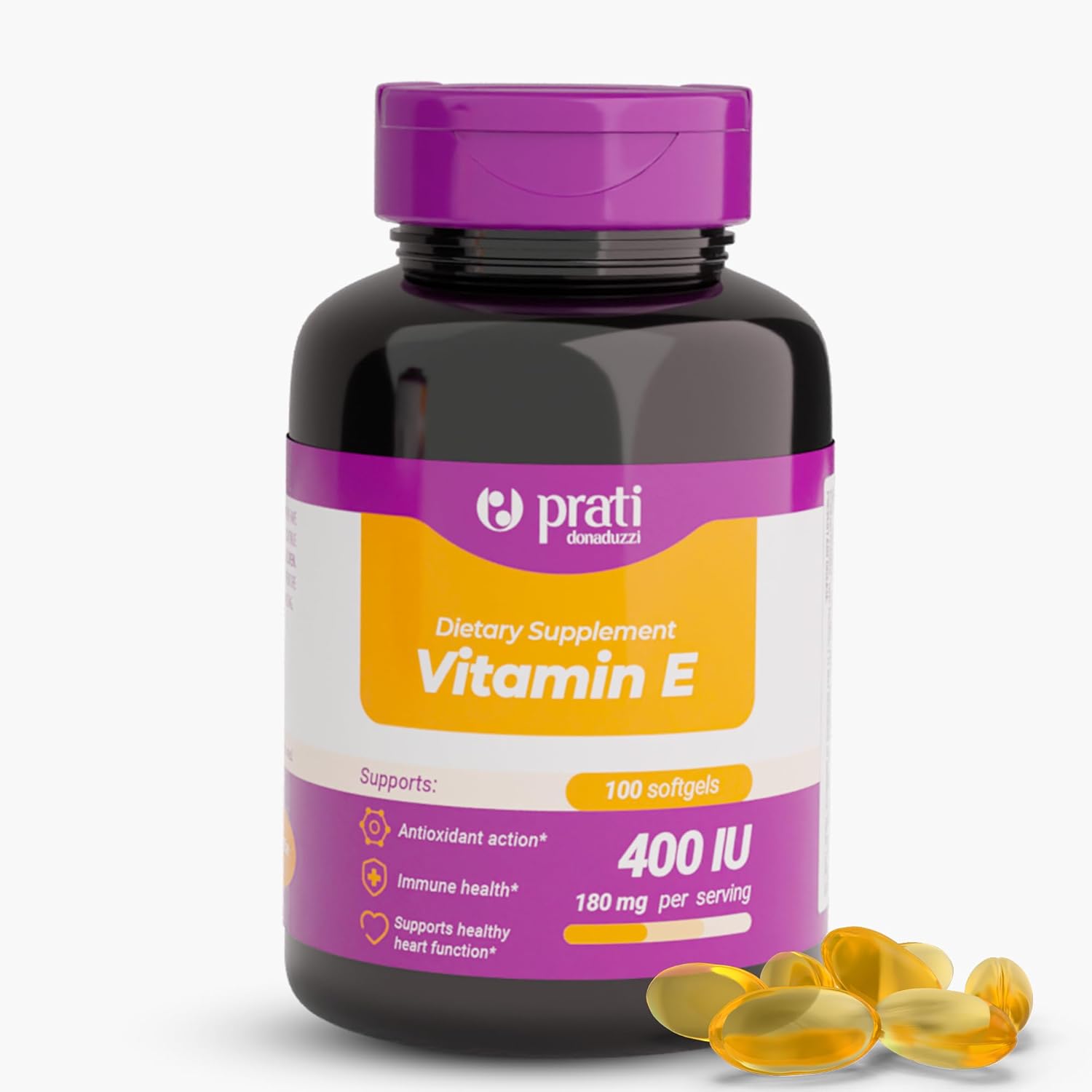
- Cleanse face thoroughly. Start with completely clean skin — remove all makeup, sunscreen, and day-long buildup using your regular gentle cleanser. Vitamin E oil is rich and occlusive; applying it over impurities will trap them against your skin for the entire night.
- Pierce the vitamin E capsule with a clean pin. Use a sterilized needle or safety pin to make a small puncture in the soft gelatin shell of a vitamin E 400 IU capsule . The 400 IU strength provides an effective dose without being excessively thick or difficult to spread.
- Squeeze the oil onto your fingertips. Gently squeeze the capsule from the bottom to express the golden oil onto your fingertip or directly onto a problem area. One capsule provides enough oil for a full face treatment or targeted spot application.
- Apply to problem areas or entire face. For targeted scar or dark spot treatment, apply a generous drop directly to the area of concern. For full-face anti-aging or hydration treatment, dispense the oil evenly across your forehead, cheeks, chin, and neck using gentle pressing motions.
- Massage gently for absorption. Using your fingertips, massage the oil into the skin using small circular movements for 1–2 minutes. This stimulates local circulation, warms the oil slightly for better penetration, and encourages the tocopherol to integrate with the skin’s lipid barrier.
- Leave overnight. Vitamin E oil’s rich texture means it absorbs slowly — this is by design. The prolonged contact time during sleep allows maximum penetration and repair. The skin’s nighttime regeneration cycle also makes this the optimal window for vitamin E’s cellular repair mechanisms to work.
- Morning cleanse. In the morning, cleanse your face with a gentle cleanser to remove any remaining oil residue. Follow with your regular morning routine, always including SPF 30+ — vitamin E’s photoprotective benefits do not replace sunscreen.
6 Vitamin E Face Treatments
1. Pure Vitamin E Oil (Direct Application)
The simplest and most potent treatment: pierce a 400 IU vitamin E capsule and apply the oil directly to individual scars, dark spots, or fine lines as a concentrated overnight spot treatment. For active scar fading, apply a generous amount directly to the scar tissue, massage gently for 2–3 minutes to warm and activate the oil, then cover with a small piece of medical tape or leave open overnight. The focused, undiluted application delivers the highest possible concentration of tocopherol to the target area. Use nightly for 6–8 weeks for visible scar improvement.
2. Vitamin E + Aloe Vera Gel (Healing Mask)
Combine the oil from 1 vitamin E capsule with 1 tablespoon of pure aloe vera gel and mix thoroughly. Apply as an evening mask to clean skin and leave on overnight or for a minimum of 30 minutes before rinsing. This is one of the most synergistic skincare combinations available — aloe vera’s acemannan polysaccharides and aloesin provide deep hydration and gentle brightening, while vitamin E’s tocopherol delivers antioxidant protection and barrier reinforcement. The combination is particularly effective for post-sunburn skin, active eczema flares, and inflamed or reactive skin. Explore the full range of aloe vera treatments in our guide on aloe vera for face benefits and overnight use.
3. Vitamin E + Coconut Oil (Deep Moisture)
Mix the oil from 1–2 vitamin E capsules into ½ teaspoon of melted virgin coconut oil. Apply a thin layer to clean skin before bed, focusing on extremely dry areas, the under-eye zone, and any areas showing visible signs of aging. This combination is a winter skincare essential for dry and mature skin types — coconut oil’s medium-chain fatty acids provide intense occlusive moisturization while vitamin E’s tocopherol delivers powerful antioxidant and collagen-protective benefits. The result is one of the most nourishing, reparative overnight treatments available from entirely natural ingredients. For more on coconut oil’s skincare benefits, read our complete guide to coconut oil for face. Not recommended for oily or acne-prone skin.
4. Vitamin E + Lemon Juice (Brightening)
Mix the oil from 1 vitamin E capsule with ½ teaspoon of fresh lemon juice and apply directly to dark spots, hyperpigmentation, or post-acne marks as a targeted spot treatment. Leave on for 20–30 minutes before rinsing (do not leave on overnight, as lemon juice is photosensitizing). The vitamin C in lemon juice inhibits tyrosinase to block new melanin production, while vitamin E’s antioxidant action reduces the oxidative environment that perpetuates hyperpigmentation — making this a powerful dual-mechanism brightening treatment. Always apply SPF 30+ the following morning without exception when using this treatment.
5. Vitamin E + Rose Water (Antioxidant Toner)
Add the oil from 2 vitamin E capsules to 100ml of pure rose water in a clean spray bottle and shake vigorously before each use (the oil and water will separate between uses — shaking is essential). Mist onto clean skin as a daily antioxidant toner after cleansing, before applying moisturizer. Rose water provides natural astringency, anti-inflammatory gallic acid, and gentle hydration, while the suspended vitamin E droplets deliver antioxidant protection throughout the skin. This is an excellent daily protection ritual, particularly beneficial during high-UV summer months when oxidative stress on skin is at its peak.
6. Vitamin E + Honey (Anti-Aging Mask)
Combine the oil from 2 vitamin E capsules with 1 tablespoon of raw Manuka honey and mix well. Apply to clean skin and leave on for 20–30 minutes before rinsing with lukewarm water. Use once or twice weekly as a premium anti-aging treatment. Honey’s hydrogen peroxide and methylglyoxal provide antibacterial protection and mild enzymatic exfoliation, while its intense humectant properties draw and bind moisture into skin cells. Combined with vitamin E’s antioxidant and collagen-protective tocopherol, this mask delivers multiple simultaneous anti-aging benefits — hydration, antioxidant protection, mild resurfacing, and barrier support — in a single weekly treatment.
Vitamin E Rich Foods for Skin
Topical application of vitamin E for face is most effective when supported by adequate dietary intake — skin health genuinely reflects what you eat, and vitamin E is one of the nutrients most directly linked to visible skin quality.
Almonds and nuts: Almonds are the single richest dietary source of vitamin E, providing approximately 7.3mg (about 49% of the daily recommended intake) per 28g serving. A small daily handful of raw almonds provides meaningful nutritional support for skin antioxidant defenses. Other excellent nut sources include hazelnuts and pine nuts.
Sunflower seeds: Just 28g of dry-roasted sunflower seeds delivers approximately 7.4mg of vitamin E — nearly the full recommended daily intake in a single small serving. Sprinkle them on salads, yogurt, or oatmeal for a convenient daily boost.
Avocado: Half an avocado provides around 2.1mg of vitamin E alongside healthy monounsaturated fats that enhance the absorption of this fat-soluble vitamin. Avocado’s combination of vitamin E, C, and healthy fats makes it one of the most comprehensively skin-nourishing foods available.
Spinach and leafy greens: Cooked spinach provides approximately 3.7mg of vitamin E per 100g serving, alongside vitamin K, folate, and iron — all important for skin health. Swiss chard, turnip greens, and beet greens are other excellent leafy green sources.
Olive oil: Extra virgin olive oil provides around 1.9mg of vitamin E per tablespoon alongside oleocanthal — a polyphenol with potent anti-inflammatory properties. Using olive oil as your primary cooking fat and salad dressing oil provides a consistent daily dietary vitamin E contribution.
The combination of dietary vitamin E (internal protection and skin cell nourishment) with topical vitamin E capsule for face application (direct barrier repair and antioxidant delivery) produces superior results to either approach alone — they work on different levels of skin physiology and complement each other meaningfully.
Can Vitamin E Cause Breakouts?
This is one of the most important questions to address honestly, because vitamin E oil does cause breakouts in a significant subset of people — and understanding why helps you use it safely.
Heavy texture concern: Vitamin E oil — particularly in its pure, concentrated capsule form — is extremely thick and rich. This density can be challenging for skin with active oil production, as it adds to existing sebum load and can overwhelm the skin’s ability to process all the lipid material in its pores.
Comedogenic rating: Alpha-tocopherol (the most common form of vitamin E in skincare) has a comedogenic rating of 2–3 out of 5 — moderately pore-clogging. This means it won’t cause congestion in everyone, but is likely to cause issues in those with naturally oily skin or a predisposition to clogged pores. The risk is higher with pure vitamin E capsule oil than with formulated products where vitamin E is used at lower concentrations in a lighter carrier.
Dilution importance: Diluting vitamin E capsule oil with a lighter, lower-comedogenicity carrier — such as aloe vera gel (comedogenic rating: 0), rose water, or jojoba oil (comedogenic rating: 2) — significantly reduces the pore-clogging risk while preserving the tocopherol’s antioxidant benefits. This is the recommended approach for anyone with oily, combination, or acne-prone skin who still wants to benefit from vitamin E.
Patch test requirement: Before applying vitamin E oil to your entire face, always perform a 24–48 hour patch test on a small area of your inner arm or jaw. If no redness, itching, or congestion develops, proceed to full facial application starting with 2–3 nights per week rather than nightly use.
Oily skin precautions: Those with oily or acne-prone skin should use vitamin E for spot treatment on specific scars or dark spots rather than full-face overnight application. Choose lightweight, water-based serums containing vitamin E (tocopherol) in a non-comedogenic formula rather than pure capsule oil as an everyday option.
Best Vitamin E Products for Face
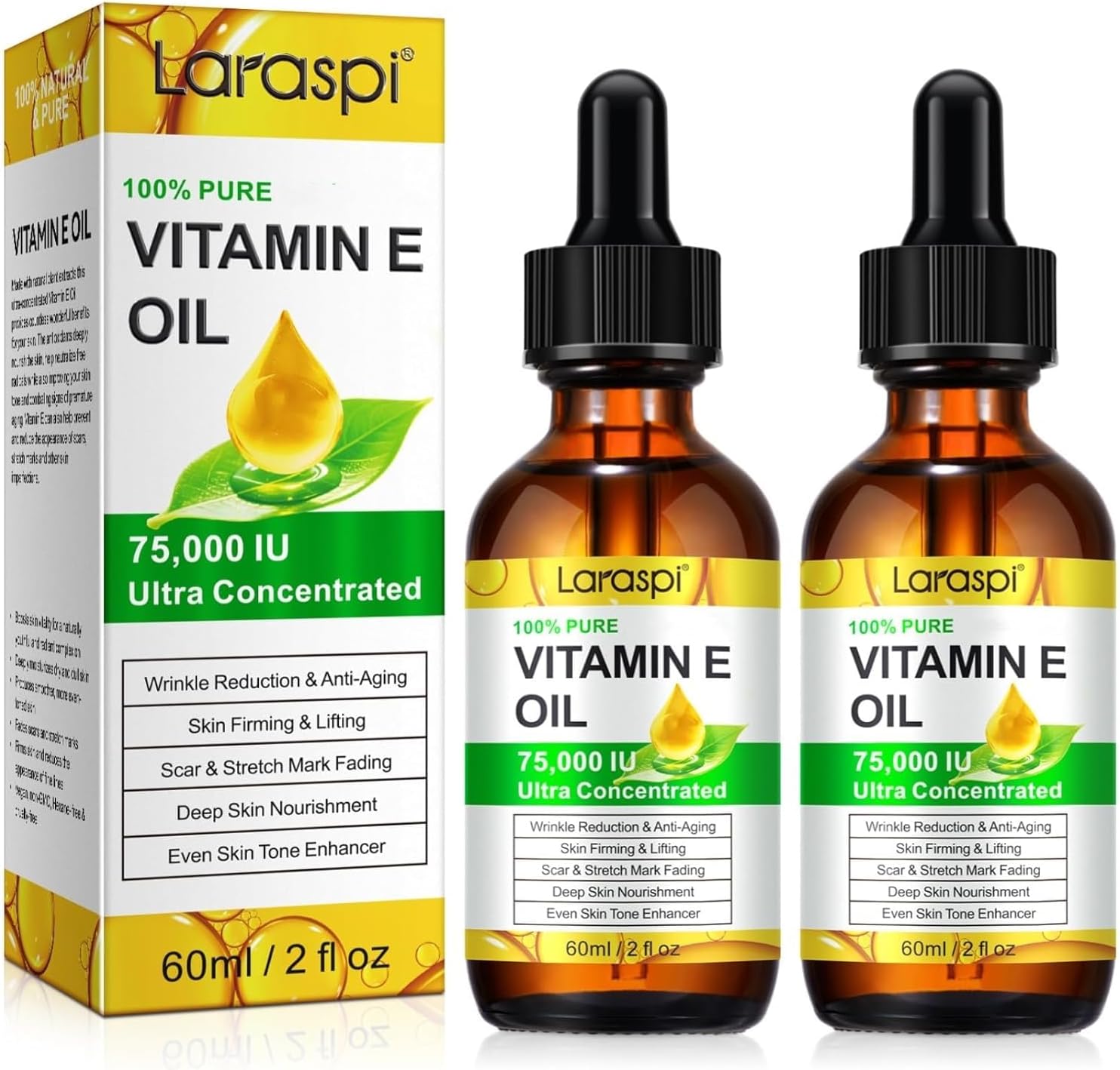
Capsules vs oil bottles: Vitamin E capsules (400 IU) offer several practical advantages over pre-bottled vitamin E oil: each capsule is individually sealed and protected from light and air oxidation until the moment of use, they provide precise dosing, and they’re typically more economical. Pre-bottled vitamin E oil is more convenient for larger application areas (body, hair) but oxidizes faster once opened. For targeted facial use, capsules are the superior format.
Natural vs synthetic (d-alpha vs dl-alpha): Always choose products listing “d-alpha-tocopherol” (natural) as the primary vitamin E source, not “dl-alpha-tocopherol” (synthetic). Natural vitamin E has approximately 36% greater biological activity than the synthetic form and is derived from natural vegetable oils rather than petroleum. This distinction matters significantly for skincare efficacy — it’s worth checking product labels carefully.
IU strength: For facial skincare, 400 IU capsules provide the optimal balance of potency and skin tolerance. Lower strengths (100–200 IU) may be underdosed for effective scar and anti-aging treatment, while very high strengths (1000 IU+) can be excessively thick and increase the risk of pore congestion. Stick with 400 IU for facial application.
Pure vs blended formulas: Pure vitamin E oil (d-alpha-tocopherol) provides the highest concentration and most direct delivery of tocopherol. Blended formulas that combine vitamin E with vitamin C, ferulic acid, or hyaluronic acid can offer enhanced efficacy due to synergistic antioxidant effects — particularly the vitamin E + C combination, which provides superior photoprotection and brightening compared to either alone. A high-quality pure vitamin E oil with minimal additives is the most versatile option for DIY treatments and targeted application.
How Long to See Results?
Setting realistic expectations is key to maintaining consistency with any skincare ingredient — and vitamin E rewards patience genuinely.
Scar fading: 4–8 weeks. Post-acne marks and shallow hyperpigmented scars show measurable improvement with consistent nightly application over this timeframe. Deeper, textured scars (atrophic or hypertrophic) will show slower improvement and may require 3–6 months of consistent use for meaningful change. Vitamin E is most effective on recent scars (under 2 years old) than on long-established scar tissue.
Anti-aging results: 6–12 weeks. Improvements in fine line depth, skin firmness, and overall texture require time because they depend on cumulative antioxidant protection and progressive collagen preservation. Some users notice an improvement in skin plumpness and dewiness within 2–3 weeks from the hydration benefits alone, while the structural anti-aging effects become visible over 2–3 months.
Hydration: Immediate. Skin feels softer, smoother, and more supple immediately after the first overnight treatment. The occlusive moisturization effect of vitamin E oil is nearly instantaneous for dry skin types.
Dark spot fading: 6–10 weeks. Hyperpigmentation is one of the slower skin concerns to resolve, as it involves the gradual replacement of melanin-dense cells with new, normally-pigmented cells through the skin’s cell turnover cycle. Consistent nightly application combined with strict daily SPF use accelerates the process significantly — sun exposure without protection will counteract all brightening progress.
Consistency is everything. Vitamin E is not an overnight miracle for most skin concerns — it is a marathon ingredient, not a sprint. The key to results is uninterrupted, nightly application over weeks and months. Missing nights, inconsistent use, or abandoning the routine before the 6–8 week mark is the primary reason people report “it didn’t work.” Build it into your routine as an automatic final step before sleep and you will see the results.
📌 Love these vitamin E beauty hacks? Pin this guide and share with friends who want to fade scars and fight aging naturally! [Pinterest Pin Button]
Frequently Asked Questions
Can I apply vitamin E on my face everyday?
Yes, for dry and mature skin types, daily overnight application of vitamin E for face is safe and beneficial with consistent results. For oily or acne-prone skin, limit use to 2–3 nights per week or dilute with aloe vera gel to reduce comedogenic risk.
Does vitamin E remove dark spots?
Vitamin E reduces dark spots by lowering the oxidative stress that triggers melanin overproduction and supporting healthy cell turnover — but it works gradually over 6–10 weeks. Results are significantly enhanced when combined with vitamin C (lemon juice or serum), which directly inhibits tyrosinase.
Can vitamin E capsules reduce wrinkles?
Yes — consistent overnight use of vitamin E capsule for face treatment protects existing collagen from free radical degradation and mildly stimulates fibroblast activity for new collagen production. Visible fine line improvement typically develops over 6–12 weeks of regular use.
Is vitamin E good for acne scars?
Vitamin E is particularly effective for flat, hyperpigmented (red or brown) post-acne marks, which it fades through antioxidant action and cell renewal support over 4–8 weeks. It is less effective for deep, textured atrophic scars, which may require professional treatments alongside topical vitamin E.
Should I use vitamin E in morning or night?
Nighttime is strongly preferred for vitamin E for face application. Its rich, occlusive texture works best during sleep when it won’t interfere with makeup or SPF, and the skin’s nighttime repair cycle maximizes its cellular benefits. In the morning, use a lightweight vitamin C serum + SPF instead.
Conclusion
Vitamin E for face is one of the most powerful, well-researched, and genuinely transformative natural skincare ingredients available — and one of the most affordable. Its antioxidant tocopherol content protects against aging, heals scars, fades dark spots, and deeply moisturizes all in a single, simple ingredient. It is best used at night, when the skin’s repair cycle amplifies its benefits and its rich texture won’t interfere with your day. The easiest way to start? Tonight, pierce a vitamin E 400 IU capsule, squeeze the golden oil onto your fingertips, and massage it into your cleanest, most problem-prone areas before bed. Be patient, be consistent, and within 4–8 weeks your skin will tell you everything you need to know about whether this ingredient deserves a permanent place in your routine — and for most people, the answer is an emphatic yes.
