


The debate around coconut oil for face overnight benefits is one of the most spirited in the natural skincare world — and for good reason. Celebrated for thousands of years across tropical cultures in South Asia, Southeast Asia, and the Pacific Islands as a multi-purpose beauty elixir, coconut oil offers genuinely remarkable skincare properties. Yet it’s also one of the most comedogenic natural oils known, making it a miracle worker for some skin types and a breakout trigger for others. In this complete guide, we’ll cover all 9 proven benefits of organic coconut oil for face, exactly how to use it as an overnight treatment, plus the important warnings about who should avoid it entirely — so you can make an informed decision for your unique skin.
What’s in Coconut Oil That Benefits Skin?
Coconut oil’s remarkable effectiveness as a skincare ingredient comes down to its unique and highly concentrated biochemical composition — quite unlike most plant oils used in beauty.

Medium-chain fatty acids (MCFAs) make up approximately 65% of coconut oil’s composition. Unlike the long-chain fatty acids found in most vegetable oils, MCFAs are smaller in molecular size, allowing them to penetrate the outer layers of skin more readily and deliver moisture directly to deeper skin cells. This is why coconut oil feels so immediately softening and nourishing on application.
Lauric acid is the superstar compound of coconut oil, comprising roughly 50% of its fatty acid content. Lauric acid has potent antibacterial, antiviral, and antifungal properties — it converts to monolaurin in the body, which can disrupt the cell membranes of harmful pathogens including Cutibacterium acnes bacteria. This makes it theoretically valuable for acne management, though its pore-clogging tendency complicates this application for many skin types.
Vitamin E is present in significant quantities in virgin coconut oil and acts as a fat-soluble antioxidant, protecting skin cells from the oxidative damage caused by UV radiation and environmental pollutants. Vitamin E also supports the skin’s natural lipid barrier, contributes to wound healing, and has mild UV-absorbing properties.
Natural saturated fats give coconut oil its characteristic solid-at-room-temperature texture and its exceptional occlusive properties. As an occlusive, coconut oil forms a thin, protective film over the skin’s surface that dramatically reduces transepidermal water loss (TEWL) — the primary mechanism through which skin becomes dry and dehydrated.
Antioxidants including ferulic acid and polyphenols provide additional free radical protection and help slow the visible signs of skin aging, complementing the vitamin E content and making virgin coconut oil a meaningful anti-aging ingredient for appropriate skin types.
9 Coconut Oil Benefits for Face
1. Intense Moisturization for Dry Skin
For those with dry, flaky, or dehydrated skin, coconut oil for face is one of the most effective natural moisturizers available. Its occlusive nature creates a moisture-sealing barrier on the skin’s surface while its medium-chain fatty acids simultaneously penetrate to hydrate from within. Clinical studies have confirmed that coconut oil performs comparably to mineral oil in treating xerosis (chronic dry skin), without the petrochemical concerns. For those with severely dry or compromised skin barriers, a thin overnight application can produce dramatically softer, more supple skin within just a few days of consistent use.
2. Removes Makeup Effectively (Oil Cleansing)
One of the most universally praised uses of coconut oil for face is as a makeup remover, and it excels in this role for virtually every skin type — including oily skin. The principle of “like dissolves like” means that oil-based coconut oil effortlessly breaks down the oil-based pigments and polymers in foundation, mascara, eyeliner, and even stubborn waterproof formulas without the need for harsh surfactants or alcohol-based removers. It removes makeup thoroughly while simultaneously nourishing the skin — making it a genuinely multi-tasking first step in a double-cleansing routine.
3. Antibacterial Properties Fight Acne
Lauric acid’s ability to inhibit acne-causing bacteria makes coconut oil for face theoretically compelling as an acne treatment. Laboratory studies have shown lauric acid to be more effective than benzoyl peroxide in killing Cutibacterium acnes bacteria. However, the reality for most acne-prone skin is complicated by coconut oil’s high comedogenicity rating (4 out of 5 on the comedogenic scale) — meaning it is very likely to clog pores in people already predisposed to congestion. The antibacterial benefit is real, but the pore-clogging risk means coconut oil is not suitable as an acne treatment for most people with breakout-prone skin.
4. Anti-Aging and Wrinkle Prevention
The combination of vitamin E, ferulic acid, and lauric acid in virgin coconut oil creates a potent antioxidant profile that actively combats the free radical damage that breaks down collagen and accelerates skin aging. Its intense moisturizing action plumps fine lines temporarily by keeping skin well-hydrated, while consistent overnight use supports the skin’s natural repair processes during sleep. For mature, dry skin types, coconut oil for face overnight can be a meaningful anti-aging ritual that visibly improves skin firmness and texture over several weeks of use.
5. Soothes Sunburn and Irritation
The anti-inflammatory fatty acids in coconut oil — particularly lauric and capric acid — help calm UV-triggered inflammation and reduce the redness, heat, and discomfort of mild sunburn. Its occlusive layer also prevents further moisture loss from sun-damaged skin, which is critically dehydrated after UV exposure. However, it’s important to note that coconut oil should only be applied to sunburned skin once the initial heat has dissipated (typically 24–48 hours after exposure) — applying it to actively hot skin can trap heat and worsen inflammation.
6. Heals Minor Cuts and Wounds
Coconut oil’s antimicrobial properties create a protective barrier over minor cuts, scratches, and abrasions that simultaneously prevents bacterial infection and supports the natural wound healing process. Animal studies have shown coconut oil applied topically to wounds increases collagen cross-linking at the wound site and accelerates closure time. Its anti-inflammatory compounds also reduce the redness and swelling around healing wounds. For minor facial nicks from shaving or scratching, a small application of virgin coconut oil serves as an effective natural wound dressing.
7. Reduces Under-Eye Dark Circles
The ultra-thin, delicate skin under the eyes is one of the areas most vulnerable to dryness, fine lines, and the appearance of dark circles — which are often worsened by dehydration and skin laxity that make underlying blood vessels more visible. A tiny amount of virgin coconut oil gently massaged into the under-eye area before bed can hydrate this fragile skin overnight, temporarily plumping fine lines and improving the appearance of darkness caused by skin thinning. Its vitamin E and antioxidant content also provides meaningful protection for this highly UV-sensitive area.
8. Natural Lip Balm Alternative
Lips have no sebaceous glands and cannot produce their own natural moisturizing oils, making them perpetually prone to dryness, chapping, and cracking. A tiny dab of coconut oil applied to lips works as an outstanding natural lip balm — its occlusive fatty acids lock in moisture, its lauric acid provides antibacterial protection for any micro-cracks or cold sore-prone areas, and its pleasant, neutral flavor makes it completely safe for the lip area where incidental ingestion is unavoidable. Compared to petroleum-based lip balms, coconut oil provides comparable moisture sealing with entirely natural, food-grade ingredients.
9. Strengthens Skin Barrier
A compromised skin barrier leads to chronic dryness, increased sensitivity, reactive skin, and accelerated aging. The fatty acids in coconut oil — particularly lauric, caprylic, and capric acids — closely mimic the lipid composition of the skin’s natural barrier, allowing coconut oil to integrate into and reinforce the intercellular lipid matrix. Research has shown that regular topical application of coconut oil measurably improves skin barrier function in individuals with conditions like atopic dermatitis, reducing TEWL and increasing skin hydration levels in both children and adults with dry, sensitive skin types.
How to Use Coconut Oil on Face Overnight
Using coconut oil for face overnight correctly is critical to achieving the benefits without the potential downsides. The key is always to use the smallest effective amount and to ensure your skin type is suitable before committing to nightly use.
Step-by-Step Overnight Method
- Start with a clean, dry face. Remove all makeup and cleanse thoroughly before application. Applying coconut oil over dirty skin or makeup residue traps impurities against the skin for hours, increasing the risk of breakouts.
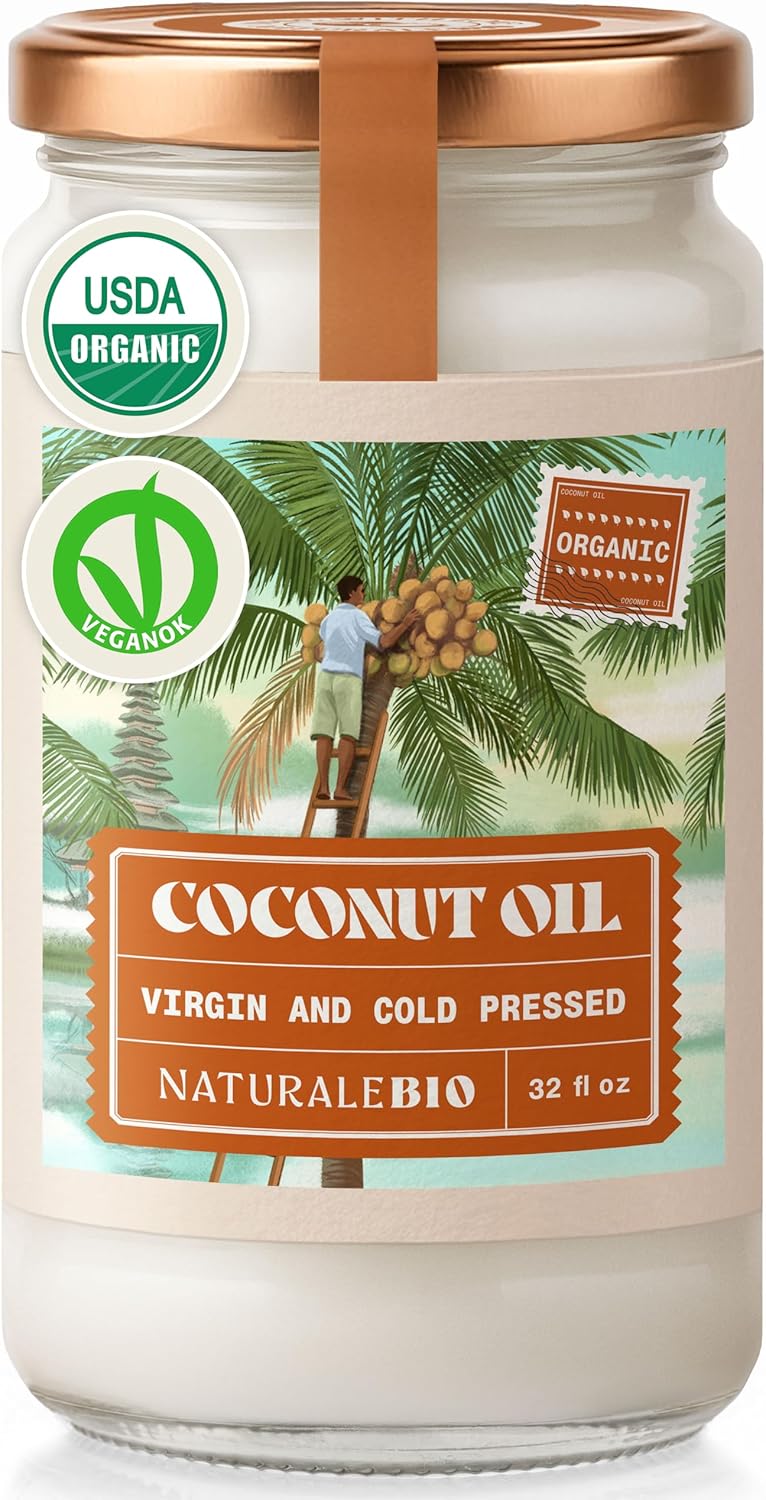
- Use virgin coconut oil (unrefined). Always select organic virgin coconut oil — cold-pressed and unrefined — for facial skincare. Refined coconut oil has been bleached and deodorized using processes that remove many of the beneficial antioxidants and may introduce trace chemical residues.
- Warm a small amount between your palms. Scoop out a pea-sized amount (no more) and rub between your palms until it melts from solid to liquid. The warmth of your hands is sufficient — never microwave or heat coconut oil before applying to face.
- Apply a thin layer (less is more). Press the melted oil gently into your skin using upward strokes across your cheeks, forehead, chin, and neck. A little goes a very long way — if your face looks visibly oily or greasy, you’ve used too much. Blot any excess with a tissue.
- Massage gently in circular motions. Spend 1–2 minutes massaging the oil into the skin using gentle circular movements, paying extra attention to dry patches, fine lines, and any areas of irritation. This also stimulates facial circulation and lymphatic drainage.
- Leave overnight. Allow the oil to absorb and work during the skin’s natural overnight regeneration cycle. Use old pillowcases while testing coconut oil — it can stain fabric if used in excess.
- Morning cleanse. In the morning, cleanse your face with a gentle, low-pH cleanser to remove any remaining oil residue and prevent pore congestion. Do not skip the morning cleanse when using coconut oil overnight.
Coconut Oil Cleansing Method (OCM)
The Oil Cleansing Method (OCM) is a cleansing technique based on the chemistry principle that oil dissolves oil. It has been practiced in Japan and Korea for decades and has gained significant global popularity in the K-beauty wave of the 2010s and 2020s.
What is oil cleansing? Rather than using a foaming or gel cleanser as the first step of your routine, OCM uses a pure oil — applied to dry skin — to dissolve makeup, sunscreen, excess sebum, and oil-based impurities without stripping the skin’s natural moisture. The oil then emulsifies and rinses clean with warm water.
How coconut oil removes makeup: Coconut oil’s medium-chain fatty acids break down the wax, oil, and polymer components of even waterproof cosmetics on contact. It is especially effective for removing stubborn eye makeup (mascara, liner) and long-wear foundations that resist water-based cleansers.
Step-by-step OCM process: Start with a completely dry face. Apply a small amount of melted coconut oil to your fingertips and massage gently across the entire face for 60–90 seconds — the massage action loosens debris and pore congestion while the oil dissolves surface impurities. Dampen a soft washcloth with warm water, lay it over your face for 30 seconds, then gently wipe away the oil. Follow immediately with a gentle water-based second cleanser to remove any remaining oil film.
Best for dry and mature skin: OCM with coconut oil is most suitable for those with dry, normal, or mature skin types. The warm-oil massage provides exceptional nourishment and a spa-like experience that leaves dry skin deeply hydrated rather than stripped. For oily and acne-prone skin types, a less comedogenic oil such as jojoba or sunflower is strongly recommended for OCM instead.
5 Coconut Oil Face Treatments
1. Pure Coconut Oil Massage
The simplest treatment: warm ½ teaspoon of virgin coconut oil between your palms and spend 3–5 minutes massaging it into clean skin using upward circular motions. This facial massage technique stimulates blood circulation, encourages lymphatic drainage (reducing puffiness), and allows the oil’s fatty acids to penetrate deeply. Best done 2–3 evenings per week for dry skin as a standalone hydrating treatment.
2. Coconut Oil + Sugar Scrub
Mix 1 tablespoon of melted virgin coconut oil with 1 tablespoon of fine white sugar and a few drops of lemon juice. Gently massage onto damp skin in circular motions for 1–2 minutes, then rinse thoroughly with warm water. The sugar provides gentle physical exfoliation while the coconut oil moisturizes simultaneously, and the lemon juice adds mild brightening action. Use once per week maximum. Not recommended for sensitive or acne-prone skin.
3. Coconut Oil + Honey Mask
Blend 1 teaspoon of melted coconut oil with 1 tablespoon of raw honey until combined. Apply to clean skin and leave for 20 minutes before rinsing with lukewarm water. The honey’s humectant and antibacterial properties layer beautifully with coconut oil’s occlusive moisturization for a deeply nourishing mask that leaves skin soft, soothed, and glowing. Best for dry and normal skin types; oily and acne-prone skin should use honey alone rather than combined with coconut oil.
4. Coconut Oil + Turmeric Anti-Inflammatory
Combine 1 teaspoon of melted coconut oil with ¼ teaspoon of organic turmeric powder to form a golden paste. Apply to skin and leave for 15 minutes before rinsing carefully with warm water (turmeric can stain). The curcumin in turmeric adds powerful anti-inflammatory and brightening benefits to coconut oil’s moisturizing and barrier-supporting properties, making this an excellent weekly treatment for dry, sensitive, or mature skin showing signs of redness and dullness. For the full range of turmeric mask possibilities, explore our complete turmeric face mask guide.
5. Coconut Oil + Vitamin E Night Treatment
Squeeze the contents of 1 vitamin E capsule into ½ teaspoon of melted virgin coconut oil and mix thoroughly. Apply a thin layer to clean skin before bed, focusing on areas of concern — fine lines, dry patches, and under the eyes. This combination delivers dual antioxidant protection (coconut oil’s ferulic acid + vitamin E’s tocopherol) alongside intense occlusive moisturization for a genuinely powerful anti-aging overnight treatment. For a full guide to this ingredient pairing, read our article on vitamin E for face benefits and uses.
Who Should NOT Use Coconut Oil on Face
This section is just as important as the benefits — because for a significant portion of the population, coconut oil for face will cause more harm than good. Understanding these contraindications can save you weeks of unexpected breakouts.
⚠️ Highly comedogenic (pore-clogging): Coconut oil scores a 4 out of 5 on the comedogenic scale — meaning it is among the most pore-clogging oils commonly used in skincare. It achieves this rating because its molecular structure is just the right size to penetrate into pores and, in predisposed individuals, oxidize and solidify inside the follicle, triggering congestion, blackheads, and inflammatory acne. This is not a myth or a rare occurrence — it is a well-documented dermatological reality.
Oily and acne-prone skin types should generally avoid using coconut oil on the face entirely. The combination of high comedogenicity and rich occlusive texture will almost invariably worsen congestion and trigger new breakouts in skin that is already prone to clogged pores. The antibacterial benefits of lauric acid do not outweigh the pore-clogging risk for this skin type. Those with oily skin seeking a natural skincare routine should explore our dedicated oily skin care routine guide for suitable alternatives.
Those prone to clogged pores (comedones, milia, or blackheads) should avoid coconut oil even if they don’t have active acne. If you regularly experience congestion along the nose, chin, or forehead, coconut oil on these areas is likely to exacerbate the problem significantly.
Sensitive skin: While coconut oil is generally well-tolerated, its saturated fat profile can cause reactions in individuals with certain skin sensitivities. Always perform a 24-hour patch test on your inner arm before applying coconut oil to your face for the first time, and discontinue immediately if redness, itching, or new breakouts appear.
Fungal acne (Malassezia folliculitis) sufferers must avoid coconut oil entirely. Malassezia — the yeast responsible for fungal acne — feeds directly on the medium and long-chain fatty acids found in most oils, including coconut oil’s lauric acid. Applying coconut oil to skin affected by fungal acne will actively worsen the condition and potentially spread the infection.
Coconut Oil vs Other Face Oils
Coconut vs jojoba oil: Jojoba oil is technically a liquid wax rather than an oil and scores 2 out of 5 on the comedogenic scale — making it significantly less pore-clogging than coconut oil. Its molecular structure closely mimics the skin’s own sebum, making it well-suited to all skin types including oily and acne-prone. For those who love the idea of an oil moisturizer but react to coconut oil, jojoba is the most universally recommended alternative.
Coconut vs argan oil: Argan oil scores just 0 out of 5 on the comedogenic scale — it is non-comedogenic and is rich in linoleic acid, which is anti-inflammatory and particularly beneficial for acne-prone and sensitive skin. Argan also absorbs more quickly and completely than coconut oil, leaving no greasy residue. It is a superior choice for oily, combination, and acne-prone skin types seeking an oil with anti-aging properties.
Coconut vs rosehip oil: Rosehip oil (comedogenic rating: 1) is rich in trans-retinoic acid (a natural vitamin A precursor) and linoleic acid, making it powerfully anti-aging and brightening without any pore-clogging risk. For those seeking to remove dark spots or address hyperpigmentation with a facial oil, rosehip is far more suitable than coconut oil.
Best oil for your skin type: Dry and mature skin → coconut or marula oil. Oily and acne-prone skin → jojoba or argan oil. Combination skin → argan or squalane. Hyperpigmentation and anti-aging concerns → rosehip or sea buckthorn. Sensitive and reactive skin → jojoba or sunflower oil.
How to Choose the Best Coconut Oil for Face
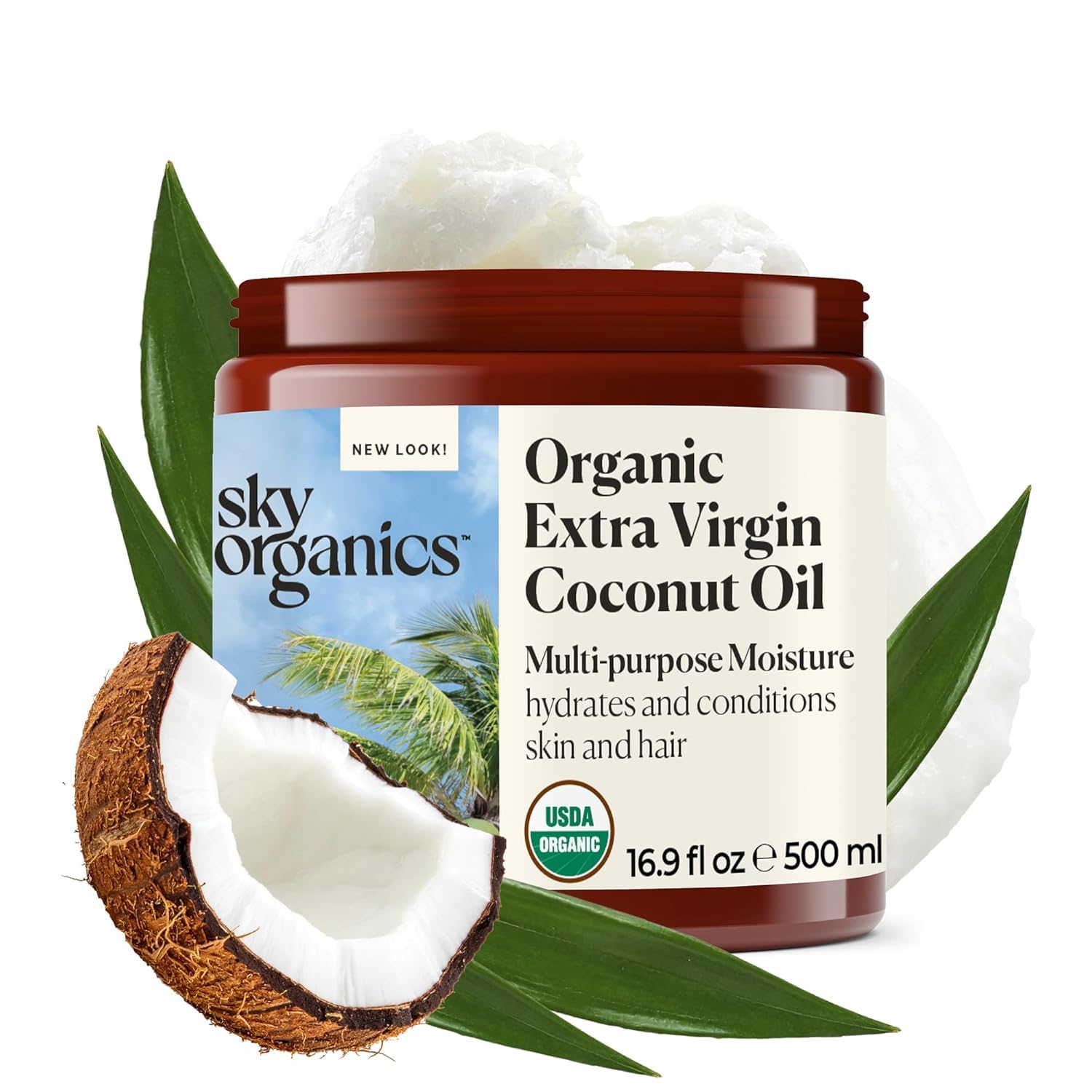
Virgin vs refined: Always choose virgin (unrefined) coconut oil for facial skincare. Virgin coconut oil is extracted from fresh coconut meat using cold-pressing or centrifuge methods without heat, bleaching, or chemical treatment. It retains all of its natural antioxidants, vitamins, and beneficial compounds. Refined coconut oil, by contrast, has been processed using high heat and chemical solvents that strip most of these skin-beneficial components.
Organic importance: Coconut palms are frequently treated with pesticides that can concentrate in the oil. For a product you’re applying directly to your face overnight, organic certification provides meaningful assurance that no synthetic pesticide residues are present.
Cold-pressed benefits: Cold-pressed extraction uses mechanical pressure rather than heat to extract the oil from coconut meat. This method preserves the highest concentrations of vitamin E, polyphenols, and ferulic acid — the antioxidant compounds that deliver the most significant skincare benefits. Look for “cold-pressed” or “cold-extracted” on the label. A quality cold-pressed virgin coconut oil is the gold standard for facial skincare applications.
Fractionated coconut oil: Fractionated coconut oil has had its long-chain fatty acids removed through a process called fractionation, leaving only the liquid medium-chain triglycerides (primarily caprylic and capric acid). It remains liquid at all temperatures, absorbs more quickly, and is significantly less comedogenic than whole coconut oil — making it a more practical option for those who love coconut oil’s skin feel but find the full version too pore-clogging.
Storage tips: Store coconut oil in a cool, dry place away from direct sunlight. It is naturally solid below 24°C (76°F) and liquid above this temperature — both states are perfectly normal and indicate no change in quality. Virgin coconut oil has a shelf life of approximately 2 years when stored correctly. Discard if it develops a rancid smell, as oxidized oil can clog pores and cause irritation.
Common Coconut Oil Mistakes to Avoid
Using too much (greasy face): The most common mistake with coconut oil on face is over-applying. A pea-sized amount is sufficient for the entire face — if your skin looks visibly shiny or greasy after application, you’ve used too much. Excess oil doesn’t increase the benefit; it sits on the surface, increases pore-clogging risk, and transfers to pillowcases and hands.
Not patch testing: Given coconut oil’s high comedogenicity, starting with a 24–48 hour patch test on a small area of your jaw or inner arm before full-face application is essential. Some people discover coconut oil causes immediate breakouts or irritation — better to find this out in a controlled test than after applying it all over your face.
Ignoring your skin type: The single biggest mistake is applying coconut oil to unsuitable skin. The enthusiasm for natural skincare sometimes leads people to try coconut oil despite having oily, combination, or acne-prone skin — almost always with disappointing results. Matching your skincare ingredients to your skin type is the foundation of any effective routine.
Expecting an acne cure: While lauric acid’s antibacterial properties are impressive in laboratory conditions, using coconut oil as an acne treatment on the face is counterproductive for most people. The pore-clogging risk almost always outweighs any antibacterial benefit. Those seeking natural acne remedies should look to ingredients like aloe vera, tea tree oil, or niacinamide instead.
Skipping the morning cleanse: Never skip your morning face cleanse after using coconut oil for face overnight. Overnight, the oil collects dead skin cells, dust from bedding, and sebum from your skin — leaving this mixture on your face into the following day creates an ideal environment for pore congestion and breakouts. A gentle morning cleanse is non-negotiable.
📌 Save this coconut oil guide! Pin these 9 benefits and learn if it’s right for YOUR skin type. Share with friends who love natural skincare! [Pinterest Pin Button]
Frequently Asked Questions
Can I use coconut oil on my face everyday?
For dry and mature skin types, daily use of a small amount of coconut oil — particularly as an overnight treatment or makeup remover — is generally well-tolerated and beneficial. However, daily application is not advisable for normal, combination, oily, or acne-prone skin, where even moderate use can lead to progressive pore congestion over time. The morning cleanse is mandatory for anyone using coconut oil nightly. If you notice any new blackheads, congestion, or breakouts after starting daily use, reduce frequency immediately or switch to a less comedogenic oil.
Does coconut oil clog pores?
Yes — coconut oil scores 4 out of 5 on the comedogenic scale, making it one of the most pore-clogging oils commonly used in skincare. For individuals with oily, combination, or acne-prone skin, coconut oil will very likely cause clogged pores, blackheads, and breakouts with regular facial use. For dry, mature, or normal skin types with naturally uncongested pores, coconut oil is generally well-tolerated. The key variable is your individual skin type and its sensitivity to comedogenic substances.
Can coconut oil remove dark spots?
Coconut oil does not contain meaningful concentrations of tyrosinase-inhibiting compounds such as niacinamide, aloesin, or vitamin C — so it cannot directly fade hyperpigmentation or dark spots in the way that targeted brightening ingredients can. Its vitamin E content provides some antioxidant protection that may slow the formation of new UV-triggered dark spots over time, but for active dark spot treatment, dedicated ingredients are far more effective. For proven natural methods, see our comprehensive guide on how to remove dark spots naturally.
Is coconut oil good for acne?
For most people with acne-prone skin, no — coconut oil is not a good choice for acne due to its high comedogenic rating. Despite lauric acid’s genuine antibacterial properties against acne-causing bacteria, the pore-clogging nature of coconut oil makes it far more likely to trigger and worsen breakouts than to resolve them. Individuals with acne should use coconut oil exclusively as a makeup remover on the lips or as a body moisturizer — not as a facial treatment — and should explore lower-comedogenicity alternatives for acne management.
Which coconut oil is best for face?
The best coconut oil for face use is organic, cold-pressed, virgin (unrefined) coconut oil. This type retains the highest concentrations of beneficial antioxidants, vitamins, and fatty acids without chemical processing residues. Look for products clearly labeled “virgin,” “cold-pressed,” and “organic.” Avoid “refined,” “RBD” (refined, bleached, deodorized), or “expeller-pressed” versions for facial skincare. Fractionated coconut oil is also a good option for those who want faster absorption and slightly lower comedogenicity — it stays liquid at all temperatures and is convenient for daily use.
Conclusion
Coconut oil for face is a genuinely powerful skincare ingredient — but only for the right skin type. For dry, mature, and normal skin types, its intense moisturization, antibacterial properties, antioxidant protection, and makeup-removing capability make it an excellent, affordable addition to a natural skincare routine. For oily, acne-prone, and fungal acne sufferers, it is best avoided on the face entirely. Before committing to overnight use, always perform a patch test, use the smallest possible amount, and listen carefully to how your skin responds. The safest and most universally suitable first application for any skin type? Start tonight by using a tiny amount as a makeup remover — it’s here that coconut oil truly excels for everyone. For a full natural skincare toolkit, explore our full range of natural home remedies for glowing skin.
