

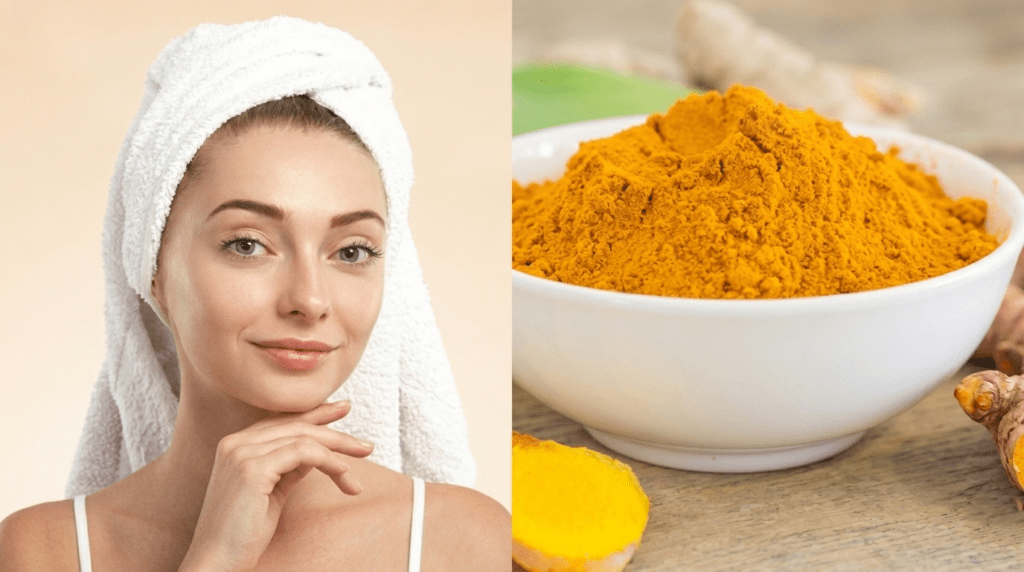
The secret to radiant, blemish-free skin may already be sitting in your spice rack — and the turmeric face mask for glowing skin is one of the most celebrated DIY beauty rituals in the world. Turmeric’s active compound, curcumin, delivers powerful anti-inflammatory, antibacterial, and antioxidant benefits that transform dull, problem-prone skin into a luminous complexion. Rooted in centuries of Indian Ayurvedic beauty tradition, turmeric is now a global skincare hero. In this guide, you’ll find 8 easy, effective recipes tailored to every skin type — from brightening and acne-fighting to anti-aging and deep exfoliation.
Why Turmeric is Amazing for Your Skin
Turmeric has been used in Indian beauty rituals for over 4,000 years — brides are traditionally anointed with turmeric paste before their wedding day to achieve a golden, glowing complexion. The reason it works so beautifully for skin comes down to its remarkable phytochemical profile.
Curcumin’s anti-inflammatory properties make turmeric one of the most effective natural remedies for red, irritated, or acne-prone skin. By suppressing inflammatory pathways in the skin, curcumin calms active breakouts, reduces redness, and soothes conditions like eczema and psoriasis.
Antibacterial benefits: Curcumin has been shown to inhibit the growth of Cutibacterium acnes — the primary bacteria responsible for acne. This makes a turmeric face mask a powerful, natural alternative to harsh chemical acne treatments.
Antioxidant power: Turmeric neutralizes free radicals that damage collagen and accelerate skin aging. Its antioxidant activity helps prevent fine lines, maintains skin elasticity, and gives the complexion a lit-from-within golden glow.
Melanin regulation: Curcumin inhibits the enzyme tyrosinase, which drives melanin production. This means consistent use of turmeric on skin helps fade dark spots, post-acne marks, and hyperpigmentation naturally over time.
8 Turmeric Face Mask Recipes That Actually Work
1. Classic Turmeric and Yogurt Mask (For Brightening)
This is the most popular turmeric face mask for good reason — it’s simple, effective, and delivers an immediate brightening effect.
Ingredients:
- ½ teaspoon organic turmeric powder
- 2 tablespoons plain full-fat yogurt
- 1 teaspoon raw honey (optional, for extra glow)
How to apply: Mix all ingredients into a smooth paste. Apply an even layer to cleansed skin, avoiding the eye area. Leave on for 15–20 minutes, then rinse with lukewarm water using gentle circular motions.
Why it works: Yogurt contains lactic acid, a natural AHA that gently exfoliates and brightens, while its fat content keeps skin moisturized. Combined with turmeric’s curcumin, this mask visibly brightens the complexion after just one use. The yogurt also helps prevent turmeric staining on the skin.
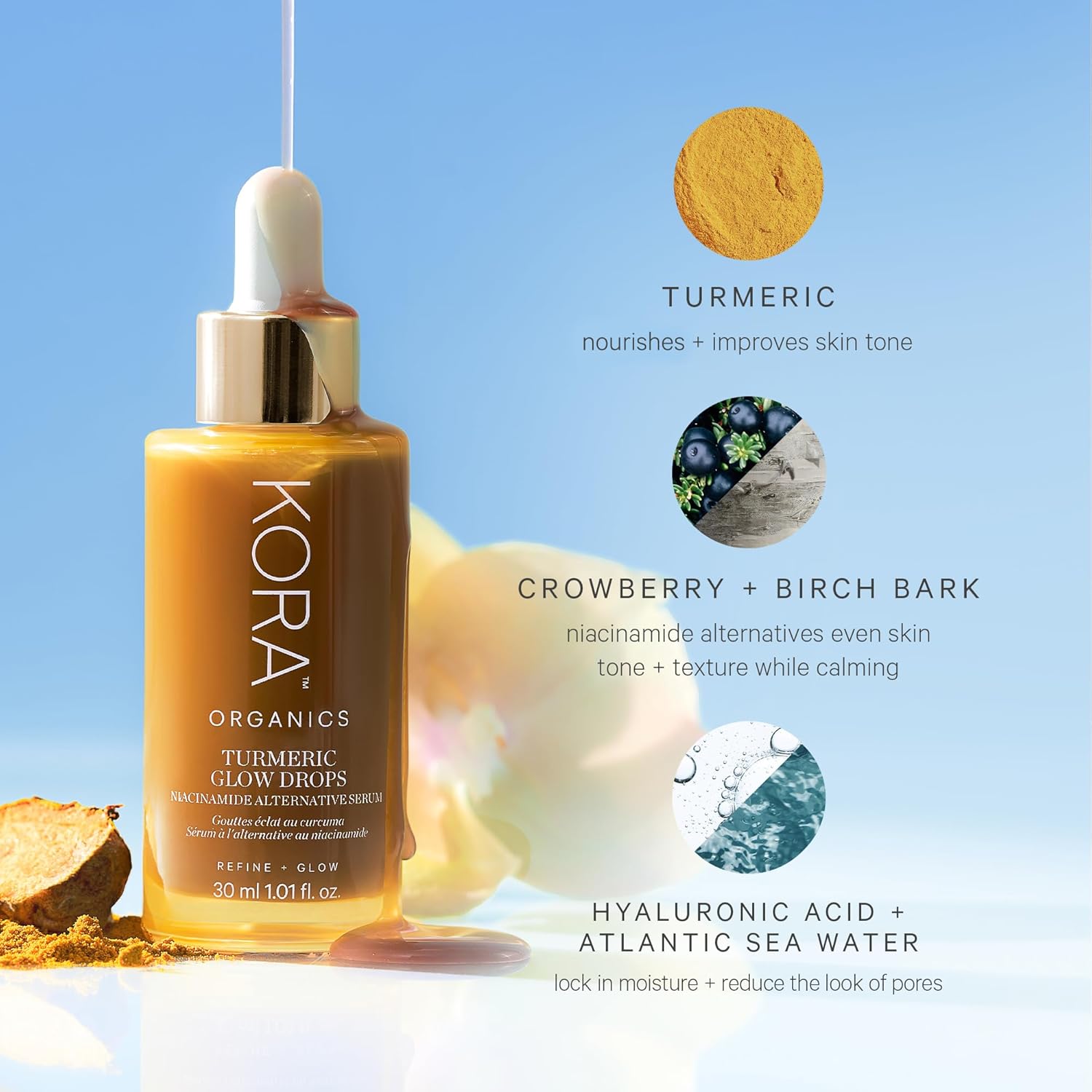
💡 Pro Tip: Always use high-quality KORA Organics Turmeric Glow Drops, Certified Organic Radiance Face Serum for skincare — food-grade organic turmeric is purer and more potent than conventional varieties.
2. Turmeric and Honey Mask (For Acne)
When it comes to fighting active breakouts, this two-ingredient turmeric face mask for glowing skin is hard to beat.
Ingredients:
- ½ teaspoon organic turmeric powder
- 1 tablespoon raw Manuka honey (or raw wildflower honey)
How to apply: Stir turmeric into the honey until evenly combined. Apply to clean, dry skin and leave for 15–20 minutes. Rinse thoroughly with warm water.
Why it works: Raw honey is a natural humectant with potent antibacterial properties. Its hydrogen peroxide content kills acne-causing bacteria, while turmeric’s curcumin reduces the inflammation around active pimples. The result is faster healing, less redness, and fewer new breakouts. Discover the full range of honey face mask benefits in our dedicated guide.
3. Turmeric and Milk Mask (For Dry Skin)
If your skin craves deep hydration alongside brightening, this nourishing turmeric face mask is your answer.
Ingredients:
- ½ teaspoon organic turmeric powder
- 2 tablespoons whole milk (or raw milk for maximum benefit)
- 1 teaspoon almond oil or olive oil (optional)
Instructions: Mix turmeric into milk to form a thin paste. Add the optional oil for extra nourishment. Apply to skin, leave for 15–20 minutes, then rinse with cool water.
Skin benefits: Milk contains lactic acid for gentle brightening, vitamin D for skin repair, and natural fats that deeply moisturize. This mask is ideal for dry, flaky, or dehydrated skin that needs both radiance and hydration. The lactic acid in milk also helps prevent the turmeric from leaving a yellow tint.
4. Turmeric and Aloe Vera Mask (For Sensitive Skin)
This ultra-gentle formulation makes the turmeric face mask accessible even for reactive, sensitive skin types.
Ingredients:
- ¼ teaspoon organic turmeric powder (reduced amount for sensitivity)
- 2 tablespoons fresh aloe vera gel
- 1 drop tea tree oil (optional, for added antibacterial action)
Gentle application: Combine ingredients thoroughly. Apply a thin, even layer to the face. Leave on for no more than 10–15 minutes for sensitive skin. Rinse with cool water and follow with a gentle moisturizer.
Soothing properties: Aloe vera gel is renowned for its cooling, anti-inflammatory, and wound-healing properties. It amplifies turmeric’s calming effect while simultaneously soothing redness and delivering deep hydration without clogging pores. Learn more about aloe vera for face benefits and why it’s a skincare essential.
5. Turmeric and Gram Flour Mask (For Oily Skin)
This is the classic Indian ubtan — a traditional beauty paste that has been used for centuries to control oil, cleanse pores, and deliver a natural golden glow.
Ingredients:
- 1 tablespoon chickpea flour (besan)
- ½ teaspoon organic turmeric powder
- 2 tablespoons rose water (or plain water)
- 1 teaspoon plain yogurt (optional)
Oil control benefits: Gram flour (besan) acts as a powerful natural absorbent, soaking up excess sebum from the skin’s surface without stripping the skin’s moisture barrier. It also provides gentle physical exfoliation, removing dead skin cells that contribute to clogged pores and dull complexion.
Application tips: Mix into a smooth paste and apply to oily zones or the entire face. Let it dry almost completely (about 15 minutes) before rinsing — the slight tightening sensation as it dries is the gram flour working to absorb excess oil. Rinse with lukewarm water using gentle circular motions for a light exfoliating effect.
6. Turmeric and Lemon Mask (For Dark Spots)
For those targeting hyperpigmentation and uneven skin tone, this brightening turmeric face mask for glowing skin packs a powerful punch.
Ingredients:
- ½ teaspoon organic turmeric powder
- ½ teaspoon fresh lemon juice
- 1 tablespoon plain yogurt or honey (as a base to dilute the lemon)
Precautions with lemon: Lemon juice is highly acidic and photosensitizing — always apply this mask at night and never before sun exposure. Perform a patch test before using, especially on sensitive skin. Diluting lemon juice in yogurt or honey reduces its intensity while preserving its brightening effect.
Best practices: Apply at night and leave on for no more than 10–15 minutes. Always follow with sunscreen the next morning. For a comprehensive approach to fading discoloration, explore our guide on how to remove dark spots naturally.
7. Turmeric and Coconut Oil Mask (For Anti-Aging)
This rich, nourishing turmeric face mask is specifically formulated to target fine lines, loss of elasticity, and dull mature skin.
Ingredients:
- ½ teaspoon organic turmeric powder
- 1 tablespoon virgin coconut oil (slightly melted)
- ½ teaspoon raw honey
Overnight treatment option: For an intensive anti-aging treatment, apply a thin layer to clean skin before bed and leave on overnight. The coconut oil creates a protective occlusive barrier, locking in moisture while curcumin works overnight to stimulate collagen production and neutralize oxidative damage.
Wrinkle reduction: Coconut oil is rich in lauric acid and medium-chain fatty acids that deeply moisturize and firm skin. Combined with turmeric’s antioxidant power, this mask helps plump fine lines, restore suppleness, and give mature skin a visibly youthful radiance with consistent weekly use.
8. Turmeric and Rice Flour Mask (For Exfoliation)
This exfoliating turmeric face mask combines the brightening power of turmeric with the gentle scrubbing action of rice flour for skin that feels smooth, polished, and glowing.
Ingredients:
- 1 tablespoon rice flour
- ½ teaspoon organic turmeric powder
- 2 tablespoons rice water or plain water
- 1 teaspoon honey
Gentle exfoliation: Rice flour contains fine particles that physically exfoliate the skin’s surface, sweeping away dead cells without the micro-tears caused by harsh scrubs. Its natural starch also helps tighten pores and reduce oiliness.
Smooth skin results: Using rice water as the liquid base amplifies the brightening effect — rice water is rich in niacinamide, ferulic acid, and inositol, all proven to even out skin tone and improve texture. Learn all about the benefits of this superstar ingredient in our guide to rice water for skin.
How to Apply Turmeric Face Mask Correctly
Patch test importance: Before applying any turmeric mask to your full face, always perform a patch test. Apply a small amount of the prepared mask to your inner forearm and wait 24 hours. If no redness, itching, or swelling occurs, it is safe to use on your face.
Application techniques: Start with a clean, dry face. Using clean fingertips or a flat brush, apply the mask in gentle upward strokes, avoiding the delicate eye area and lips. Ensure an even, thin-to-medium layer — a thick layer does not increase efficacy and is more prone to staining.
Timing: Leave most turmeric face masks on for 15–20 minutes. For sensitive skin formulas, 10–15 minutes is sufficient. Do not leave turmeric masks on overnight unless the recipe specifically calls for it (as with the coconut oil mask above), as extended contact increases the risk of skin staining.
Removal method to avoid staining: Rinse with lukewarm water using gentle circular motions — this doubles as a light massage and helps lift any residual yellow pigment. Always use an old washcloth (turmeric will stain fabric) and follow up with your regular toner and moisturizer.
How to Prevent Turmeric Staining on Skin
Turmeric’s vivid yellow pigment is its greatest drawback for skincare use — but with the right techniques, staining is entirely preventable.
Add milk or yogurt: Both dairy products contain lactic acid, which naturally breaks down turmeric’s curcumin pigment on the skin. Always include milk, yogurt, or another dairy component in your turmeric face mask recipe to significantly reduce staining risk.
Use Kasturi turmeric: For a completely stain-free experience, consider using Kasturi turmeric (also known as wild turmeric or Curcuma aromatica) instead of kitchen turmeric. Kasturi turmeric has the same skin-brightening and anti-inflammatory benefits as regular turmeric but contains very low levels of curcumin pigment, meaning it will not leave a yellow tint on your skin. It has been used specifically in Indian beauty rituals for centuries precisely because of this quality.
Removal tips with oil: If staining does occur, apply a small amount of micellar water, milk, or coconut oil to the affected area and massage gently. The oil dissolves the curcumin pigment and lifts it from the skin without irritation. Avoid vigorous scrubbing, which can cause redness.
Who Should Avoid Turmeric Masks?
Allergy considerations: Turmeric belongs to the ginger family. Those with known allergies to ginger, cardamom, or other related spices should exercise caution and consult a dermatologist before using turmeric topically. Allergy symptoms can include hives, intense itching, or swelling.
Sensitive skin precautions: While turmeric is generally well-tolerated, individuals with highly reactive skin, rosacea, or active eczema flare-ups should use reduced concentrations (¼ teaspoon or less) and opt for gentler base ingredients such as aloe vera or plain yogurt. Avoid the lemon-containing recipe if your skin is sensitive.
Patch test reminder: This cannot be overstated — always, without exception, perform a 24-hour patch test on your inner arm before applying any new turmeric face mask to your face. This single step can prevent a potentially uncomfortable or damaging reaction and ensures you get all the benefits with none of the risk.
📌 Love these turmeric face mask recipes? Pin this guide to your Skincare Board and share with friends who want glowing, even-toned skin! [Pinterest Pin Button]
Frequently Asked Questions
Does turmeric really lighten skin?
Turmeric does not bleach or lighten the skin directly, but its curcumin content inhibits the enzyme tyrosinase, which is responsible for melanin production. With regular use, this leads to a gradual reduction in dark spots, hyperpigmentation, and uneven skin tone — resulting in a visibly brighter, more even complexion over several weeks.
Can I use turmeric on my face everyday?
Daily use is generally not recommended for most people. Two to three times per week is the ideal frequency for most turmeric face masks, as overuse can potentially over-stimulate the skin or lead to mild irritation. The exception is very diluted formulas — such as a few drops of turmeric-infused water used as a toner — which may be used daily by those with tolerant skin types.
How do I remove turmeric stains from face?
If turmeric leaves a yellow tint on your skin, apply micellar water, raw milk, or a small amount of coconut oil to the stained area and massage gently for one minute before rinsing. The natural fats and lactic acid dissolve the curcumin pigment effectively. Alternatively, a cotton pad soaked in diluted apple cider vinegar can help lift stubborn staining.
Which type of turmeric is best for face?
Kasturi turmeric (Curcuma aromatica) is widely considered the best variety for facial use because it delivers all the anti-inflammatory and brightening benefits of regular turmeric without the intense yellow pigment that causes skin staining. For recipes where staining is less of a concern — such as overnight treatments — high-quality organic culinary turmeric powder is an excellent choice for its superior curcumin concentration.
Can turmeric cause skin irritation?
Yes, in some cases. Turmeric can cause contact dermatitis in people who are allergic to it, and high concentrations applied to sensitive skin may cause mild redness or a burning sensation. Always perform a 24-hour patch test before using any turmeric mask, use reduced amounts if you have sensitive skin, and discontinue use immediately if you experience any discomfort.
Conclusion
From the acne-busting honey formula to the traditional gram flour ubtan and the anti-aging coconut oil treatment, there is a turmeric face mask for glowing skin perfectly suited to every skin type and concern. The key is consistency — applying a suitable mask two to three times per week allows curcumin’s brightening, healing, and protective benefits to accumulate over time. Not sure where to start? Try the Classic Turmeric and Yogurt Mask — it’s the easiest recipe, the least likely to stain, and delivers a noticeable glow from your very first use. For more natural beauty inspiration, explore our collection of home remedies for glowing skin.
