


If you’ve been searching for how to remove dark spots on face overnight, you’re far from alone — hyperpigmentation is one of the most common skin concerns affecting millions of people worldwide. Whether they’re caused by post-acne scarring, prolonged sun exposure, hormonal shifts like melasma, or the natural aging process, dark spots develop when melanin — the pigment responsible for skin color — is overproduced in specific areas of the skin. The good news is that you don’t need harsh chemical peels or expensive clinic treatments to fade them. In this guide, you’ll discover 10 proven, natural home remedies that gently and effectively help remove dark spots and restore an even, luminous complexion.
What Causes Dark Spots on Face?
Understanding the root cause of your dark spots is the first step toward choosing the most effective remedy. Dark spots — also called hyperpigmentation — occur when skin cells called melanocytes produce excess melanin in response to various triggers.
Post-inflammatory hyperpigmentation (acne scars) is the most common type among younger skin. When a pimple, insect bite, or any skin injury heals, it can leave behind a flat, discolored patch ranging from pink to deep brown. The inflammation triggers melanocytes to go into overdrive, depositing excess pigment that lingers long after the original wound has healed.
Sun exposure and melasma: UV radiation is the primary driver of sun spots (also called solar lentigines) and melasma. UVA and UVB rays stimulate melanin production as a protective response, leading to uneven pigmentation over time. Melasma, which appears as symmetrical patches on the cheeks, forehead, and upper lip, is particularly linked to UV exposure combined with hormonal changes.
Hormonal changes: Fluctuating estrogen and progesterone levels — during pregnancy, while taking oral contraceptives, or during menopause — can trigger melasma and widespread hyperpigmentation, even in areas not directly exposed to the sun.
Aging and age spots: Decades of cumulative sun exposure cause clusters of melanocytes to appear on commonly exposed areas such as the face, hands, and shoulders. These are often called liver spots or age spots and typically develop after the age of 40.
Melanin overproduction in all these cases is driven by the enzyme tyrosinase, which is the key target for most natural brightening ingredients. By inhibiting tyrosinase, many plant-based remedies can gradually reduce melanin synthesis and help fade existing dark spots over time.
10 Natural Remedies to Remove Dark Spots
1. Lemon Juice (Natural Bleaching Agent)
Lemon juice is one of the most well-known natural remedies to remove dark spots, and its power comes primarily from its high vitamin C content. Vitamin C (ascorbic acid) is a potent antioxidant that inhibits tyrosinase activity, directly reducing melanin production and gradually brightening hyperpigmented areas.
How to apply safely: Always dilute fresh lemon juice with an equal amount of water or rose water before applying to skin — undiluted lemon juice can cause irritation, chemical burns, or even worsen pigmentation in sensitive skin. Using a cotton ball, apply the diluted juice directly to dark spots only, not the surrounding skin.
Overnight spot treatment: For concentrated treatment, apply diluted lemon juice to individual spots before bed, leave on for 20–30 minutes, then rinse thoroughly. Never apply lemon juice and step directly into sunlight — citrus makes skin highly photosensitive, which can darken spots rather than fade them.
⚠️ Sun protection is non-negotiable when using lemon juice. Always apply SPF 30+ the following morning, without exception.
2. Aloe Vera Gel (Healing and Fading)
Aloe vera is one of the gentlest and most effective natural treatments to fade dark spots — making it suitable for even the most sensitive skin types. Its secret weapon is aloesin, a naturally occurring compound that directly inhibits the overproduction of melanin in post-acne and UV-triggered hyperpigmentation.
Fresh gel extraction: For maximum potency, slice an aloe vera leaf lengthwise and scoop out the clear inner gel. The fresh gel is more bioactive than most commercial products, though a high-quality pure aloe vera gel with minimal additives is an excellent shelf-stable alternative.
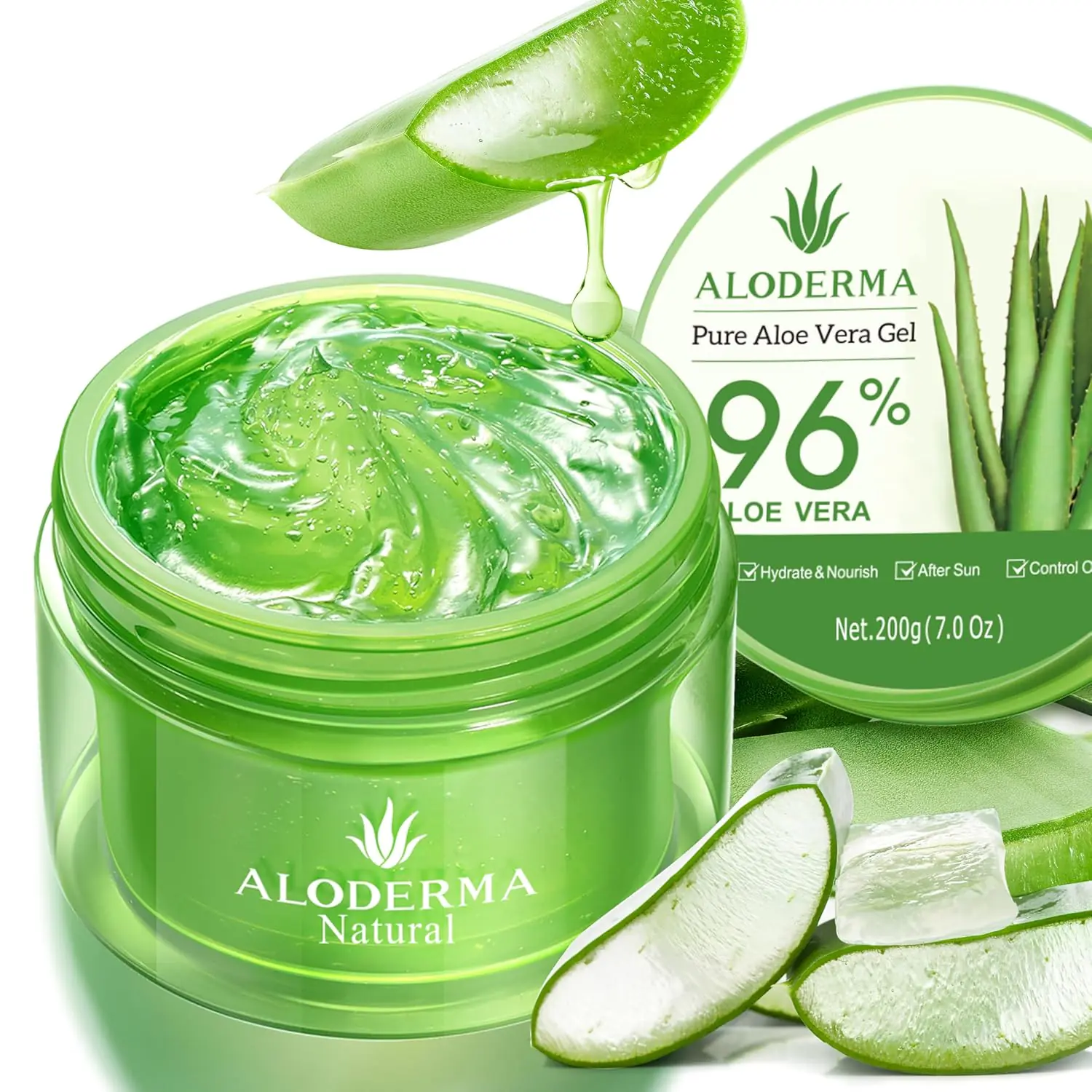
Application method: Apply a generous layer of pure aloe vera gel directly onto dark spots and massage gently until absorbed. There’s no need to rinse — aloe absorbs completely and won’t leave residue. Follow with your regular moisturizer if desired.
Twice daily routine: Apply morning and evening after cleansing for best results. Aloe’s anti-inflammatory compounds also help prevent new post-acne spots from forming. Learn more about the full power of this plant in our dedicated guide to aloe vera for face benefits.
3. Apple Cider Vinegar (Mild Acid Peel)
Apple cider vinegar (ACV) contains acetic acid, a mild organic acid that works as a gentle chemical exfoliant on the skin’s surface. By loosening and removing the outermost layer of dead, pigmented skin cells, it helps accelerate the turnover of hyperpigmented tissue and reveals fresher, more evenly toned skin beneath.
Dilution ratio: Always mix ACV in a 1:1 ratio with plain water — one part vinegar to one part water. Applying undiluted ACV directly to skin can disrupt the skin’s acid mantle and cause irritation or burns, particularly on sensitive skin.
Application: Soak a cotton ball in the diluted mixture and apply directly to dark spots. Leave on for 5–10 minutes, then rinse thoroughly with cool water. The acetic acid smell dissipates quickly once rinsed. Use this treatment two to three times per week — daily use can over-exfoliate and cause redness.
4. Turmeric Paste (Anti-Inflammatory Brightening)
Turmeric is a time-honored Ayurvedic ingredient with extraordinary power to remove dark spots and brighten the complexion. Its active compound, curcumin, is both a tyrosinase inhibitor and a potent antioxidant — a combination that simultaneously prevents new melanin formation and protects existing skin cells from oxidative damage.
Simple paste recipe: Mix ½ teaspoon of organic turmeric powder [PRODUCT LINK] with 1 tablespoon of plain yogurt or raw honey to form a smooth paste. The dairy or honey base not only creates a pleasant texture but also helps prevent the notorious yellow staining that turmeric can leave on skin.
Application: Apply the paste to dark spots or as an all-over brightening mask. Leave on for 15–20 minutes, then rinse with lukewarm water using gentle circular motions. Use 2–3 times weekly for visible results within 4–6 weeks.
Staining prevention tips: Always use a diluted paste with a yogurt or milk base, rinse promptly, and keep a damp cloth nearby. For in-depth staining solutions and more creative recipes, explore our complete turmeric face mask guide.
5. Vitamin C Serum (Melanin Inhibitor)
Vitamin C is widely regarded as the gold-standard active ingredient to fade dark spots and achieve an even skin tone — and for good reason. As a direct tyrosinase inhibitor, it interrupts the melanin synthesis process at the enzymatic level, which means it targets dark spots at their very source.
Antioxidant power: Beyond brightening, vitamin C also neutralizes the free radicals generated by UV exposure that trigger post-sun hyperpigmentation in the first place. This makes it both a treatment and a preventive measure in one step.
DIY vs store-bought: While freshly squeezed citrus juice provides some vitamin C, a stabilized vitamin C serum [PRODUCT LINK] (look for 10–20% L-ascorbic acid or sodium ascorbyl phosphate) delivers far higher, more consistent concentrations directly to the skin. Store-bought serums are significantly more effective for targeting established dark spots.
Morning application: Apply your vitamin C serum every morning to clean skin, before moisturizer and — critically — before sunscreen. The combination of vitamin C plus SPF creates a powerful shield against both new UV-triggered dark spots and oxidative pigmentation damage throughout the day.
6. Potato Juice (Mild Bleaching)
Potato juice is a surprisingly effective natural remedy to remove dark spots, thanks to an enzyme called catecholase. This enzyme has been shown to have mild tyrosinase-inhibiting properties, which helps reduce melanin concentration in hyperpigmented areas over time. Potatoes also contain vitamin C and niacin, both of which contribute to skin brightening.
How to prepare: Grate a raw potato finely and press the shredded flesh through a clean cloth or fine sieve to extract the juice. Alternatively, slice a raw potato and use the cut surface directly on the skin.
Application: Soak a cotton pad in fresh potato juice and apply directly to dark spots. Leave on for 15 minutes, then rinse with cool water. Use daily for gradual but consistent improvement. Potato juice is safe for all skin types and is particularly good for those with sensitive skin who find lemon or ACV too harsh.
7. Honey and Papaya Mask (Enzyme Exfoliation)
Papaya contains papain — a proteolytic enzyme that breaks down the dead, pigmented protein bonds in the top layer of skin, gently exfoliating surface-level hyperpigmentation and revealing brighter, more uniform skin beneath. It’s one of nature’s most effective natural chemical exfoliants.
Recipe: Mash 2–3 tablespoons of ripe papaya flesh into a smooth paste. Add 1 teaspoon of raw honey and mix well. The honey adds antibacterial action, deep hydration, and helps the mask adhere to the skin evenly.
Application: Apply the mask to cleansed skin, focusing on areas with dark spots. Leave on for 20 minutes, then rinse with lukewarm water. This is best used as a weekly treatment — papain is a potent exfoliant and over-use can cause sensitivity. Avoid this mask if you have a latex allergy, as papaya proteins can cross-react.
8. Green Tea Extract (Antioxidant Treatment)
Green tea is packed with epigallocatechin gallate (EGCG), a powerful polyphenol antioxidant that has been shown in multiple studies to inhibit melanin synthesis and reduce UV-triggered pigmentation. It also has notable anti-inflammatory properties that help calm the skin irritation that contributes to post-inflammatory dark spots.
Cooled tea bag compress method: Brew a green tea bag in hot water for 3–5 minutes, then allow to cool completely in the refrigerator. Once chilled, press the damp tea bag directly onto dark spots for 10–15 minutes. The cold temperature also helps reduce puffiness and redness.
Direct application: Alternatively, squeeze the cooled tea into a small bowl and apply with a cotton pad as a toning treatment after cleansing. This can be incorporated into your morning and evening routine daily without risk of irritation, making green tea one of the safest daily-use options for sensitive or reactive skin types.
9. Buttermilk (Lactic Acid Treatment)
Buttermilk is a natural source of lactic acid — a gentle alpha-hydroxy acid (AHA) that exfoliates the skin’s surface, disrupts melanin clustering, and helps fade dark spots progressively with regular use. Unlike stronger AHAs such as glycolic acid, lactic acid is well-tolerated by sensitive skin while still delivering meaningful brightening results.
Application: Soak a cotton pad generously in plain buttermilk and apply to the face or directly to dark spots. Leave on for 15 minutes as a gentle brightening mask — no mixing or preparation needed. Rinse with cool water and follow with moisturizer.
Gentle brightening routine: Use three to four times per week for gradual, consistent results. Buttermilk’s natural pH is close to that of skin, making it one of the lowest-risk home remedies for those new to acid-based brightening treatments.
10. Onion Juice (Scar Fading)
Onion juice may be the most underrated remedy to remove dark spots naturally. Red onions in particular are rich in quercetin — a flavonoid with powerful antioxidant and tyrosinase-inhibiting properties. Studies have shown that quercetin can significantly reduce hyperpigmentation with consistent topical use.
How to extract: Grate a small red onion finely and press through a fine strainer or cheesecloth to extract the juice. You’ll only need a few teaspoons per treatment.
Application: Dip a cotton swab or small cotton ball into the fresh onion juice and apply precisely to individual dark spots. Leave on for 10–15 minutes, then rinse thoroughly with cool water. It’s best to apply to spot-treat individual marks rather than all over the face, given the potent smell.
Smell management: The sulfur compounds in onion that cause the strong odor are the same ones driving its skin benefits. To minimize the smell, rinse with cool water and follow up with a toner containing rose water, which neutralizes the odor effectively. Use 3–4 times per week for visible results within 6–8 weeks.
How Long Does It Take to Remove Dark Spots Naturally?
Setting realistic expectations is essential to staying consistent with any natural dark spot treatment. Unlike laser treatments or prescription-strength hydroquinone, natural remedies work gradually by slowing melanin production and accelerating the skin’s natural cell turnover cycle.
Realistic timeline: Most people begin to see measurable improvement in dark spots after 4–6 weeks of consistent daily use. Stubborn hyperpigmentation — such as deep melasma or long-standing post-acne marks — may require 8–12 weeks before significant fading is visible. Surface-level sun spots or fresh post-acne marks tend to respond faster than deep dermal pigmentation.
Consistency is everything: Applying a remedy once or twice and expecting dramatic results will always lead to disappointment. Natural ingredients work cumulatively — each application builds on the last. Missing treatments resets progress and extends the timeline significantly.
When to see a dermatologist: If your dark spots show no improvement after 12 consistent weeks of treatment, are growing rapidly, have irregular borders, or are accompanied by other skin changes, consult a board-certified dermatologist. Some forms of pigmentation — particularly deep melasma — benefit most from a combined approach of professional treatment alongside home care.
Best Practices for Fading Dark Spots
Daily SPF 30+ sunscreen (non-negotiable): This is the single most important step in any dark spot treatment plan. UV exposure is both the primary cause of new dark spots and the main reason existing ones refuse to fade. Without daily sun protection, any brightening treatment you use will be significantly undermined. Apply a broad-spectrum SPF 30 or higher every morning — even on cloudy days and when indoors near windows.
Night treatments work best: The skin undergoes its primary repair and regeneration cycle during sleep, making nighttime the optimal window for applying active ingredients such as lemon juice, turmeric, and ACV. Additionally, many of these ingredients are photosensitizing — applying them at night eliminates sun exposure risk.
Exfoliate gently 2x weekly: Regular, gentle exfoliation helps remove the surface layer of pigmented dead skin cells, allowing your brightening treatments to penetrate more effectively. Use a mild chemical exfoliant (like buttermilk or diluted ACV) rather than physical scrubs, which can worsen inflammation and trigger more hyperpigmentation.
Stay hydrated: Well-hydrated skin has a stronger barrier function, which improves the efficacy of topical treatments and supports faster cell turnover. Aim for at least 8 glasses of water daily alongside your topical routine.
Avoid picking at skin: Squeezing pimples, picking at scabs, or scratching irritated skin is one of the leading causes of post-inflammatory hyperpigmentation. Every time you pick, you trigger an inflammatory response that deposits more melanin into the surrounding tissue. Keeping hands away from the face is one of the simplest and most effective preventive measures.
Foods That Help Fade Dark Spots
What you eat plays a direct role in your skin’s ability to manage melanin and repair hyperpigmentation from within. A skin-brightening diet provides the raw materials your cells need to function optimally.
Vitamin C-rich foods such as citrus fruits, kiwi, bell peppers, broccoli, and strawberries help maintain high levels of ascorbic acid in the skin, supporting natural tyrosinase inhibition and collagen synthesis for faster spot fading.
Antioxidant sources including green tea, dark berries (blueberries, blackberries), dark leafy greens, and dark chocolate (70%+ cacao) deliver polyphenols and flavonoids that protect skin cells from UV-induced oxidative damage — one of the primary drivers of dark spot formation.
Omega-3 fatty acids found in fatty fish (salmon, sardines), flaxseeds, chia seeds, and walnuts help maintain the skin’s lipid barrier, reduce systemic inflammation, and improve the even distribution of melanin across skin cells.
Hydration: Dehydrated skin has a compromised barrier and slower cell turnover — both of which make dark spots more persistent and prominent. Drinking adequate water and eating high-water-content foods like cucumber, watermelon, and celery supports skin renewal from the inside out.
What to Avoid When Treating Dark Spots
Skipping sunscreen: As emphasized above, UV exposure is the number one enemy of dark spot treatment. Even a single unprotected sun exposure can darken existing spots and trigger new ones, completely reversing weeks of careful treatment progress.
Over-exfoliating: More is not better when it comes to exfoliation. Stripping the skin barrier with daily acid treatments or harsh scrubs triggers post-inflammatory hyperpigmentation — the very thing you’re trying to remove. Limit exfoliation to twice per week maximum.
Harsh scrubbing: Physical scrubs with large, jagged particles (such as sugar or walnut shell powder) create microscopic tears in the skin that cause inflammation and worsen hyperpigmentation. If you want the benefits of physical exfoliation, use only very fine, gentle textures applied with a light hand.
Picking at spots: The temptation is real, but picking at dark spots, scabs, or active blemishes dramatically worsens and extends hyperpigmentation. Each picking episode introduces new inflammation and trauma to the site.
Expecting overnight results: Despite what many products promise, there is no ingredient — natural or synthetic — that can genuinely remove established dark spots overnight. Skin cell turnover takes a minimum of 28 days even in young, healthy skin. Managing expectations and committing to a consistent routine for at least 8–12 weeks is the only proven path to lasting results.
📌 Love these natural dark spot remedies? Pin this guide to your Skincare Board and share with friends who need glowing, even-toned skin! [Pinterest Pin Button]
Frequently Asked Questions
Can dark spots be removed naturally in a week?
Completely removing dark spots in a week is not realistic with any natural remedy. However, very fresh, superficial post-acne marks may show visible lightening within 1–2 weeks of consistent daily treatment using potent ingredients like vitamin C or lemon juice combined with nightly aloe vera. Established or deep hyperpigmentation requires 6–12 weeks of consistent effort to show meaningful fading.
Which is the most effective home remedy for dark spots?
Vitamin C serum is widely considered the most effective evidence-backed home remedy for fading dark spots, as it directly inhibits tyrosinase — the enzyme responsible for melanin production. For a whole-face approach, combining a daily vitamin C serum in the morning with an aloe vera application at night and consistent SPF protection produces the fastest natural results. Turmeric paste used 2–3 times weekly adds a powerful complementary brightening effect.
Does lemon really remove dark spots?
Yes — with important caveats. Lemon juice contains vitamin C and citric acid, both of which inhibit melanin production and provide mild exfoliation. However, it must always be diluted before application, only used at night (due to photosensitivity), and never left on for more than 30 minutes. When used correctly and consistently, diluted lemon juice can produce visible lightening of fresh dark spots within 4–6 weeks. It is not suitable for very sensitive skin or active acne.
Can vitamin C fade dark spots?
Yes — vitamin C is one of the most scientifically supported ingredients for fading hyperpigmentation. It works by inhibiting tyrosinase, reducing melanin synthesis, and neutralizing free radicals that trigger dark spot formation. A stabilized vitamin C serum (10–20% concentration) applied daily shows measurable improvements in dark spot intensity within 8–12 weeks in multiple clinical studies. It is also safe for long-term daily use across all skin types.
Why do my dark spots keep coming back?
Dark spots reappear most commonly because of two reasons: continued UV exposure without adequate sun protection, and ongoing triggers such as active acne, hormonal fluctuations, or inadvertent skin picking. Fading a dark spot addresses only the existing pigmentation — it does not prevent new melanin from being deposited if the underlying trigger continues. Consistent daily SPF 30+ and addressing the root cause (managing acne, hormones, or UV habits) are essential for preventing recurrence.
Conclusion
Among all the natural options to remove dark spots, three stand out as the most reliable and well-supported: vitamin C serum for its direct tyrosinase-inhibiting action, aloe vera for its gentle daily-use aloesin content, and lemon juice for its accessible, potent brightening power. Use them consistently — and pair every single one with SPF 30+ sunscreen each morning. Results won’t happen overnight, but with patience and a steady routine, an even, radiant complexion is absolutely within reach. The best time to start is tonight — apply pure aloe vera gel to your dark spots before bed and let nature begin its work. For even more natural inspiration, explore our full collection of home remedies for glowing skin.
