

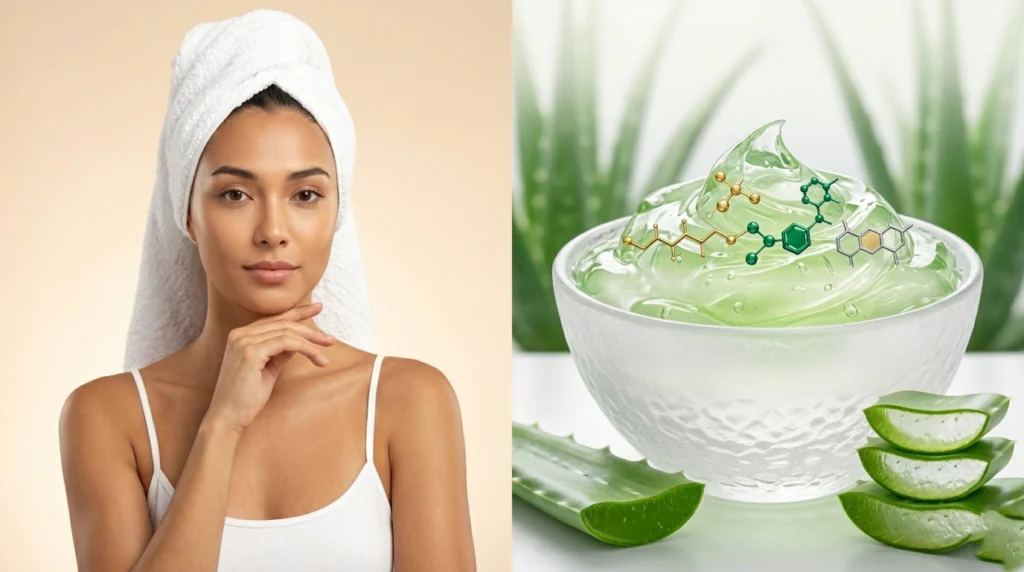
Ancient Egyptians called it the “plant of immortality” — and once you discover what aloe vera gel for face overnight can do for your skin, you’ll understand why. This humble succulent has been revered for over 6,000 years across Egyptian, Greek, Indian, and Chinese civilizations for its extraordinary healing, hydrating, and rejuvenating properties. Today, aloe vera is one of the most widely used natural skincare ingredients on the planet — and for excellent reason. In this complete guide, you’ll discover 11 proven benefits of aloe vera for face, how to use it effectively as an overnight treatment, six powerful DIY mask recipes, and everything you need to know about fresh versus store-bought gel.
What Makes Aloe Vera Amazing for Skin?
Aloe vera’s extraordinary effectiveness comes from its remarkably complex biochemical profile. The gel contained within its leaves boasts over 75 active compounds that work together to heal, protect, hydrate, and transform skin.
Vitamins A, C, and E — three of the most powerful antioxidant vitamins known in skincare — are all present in aloe vera. Vitamin A supports cell turnover and collagen synthesis, vitamin C inhibits melanin production for natural brightening, and vitamin E provides deep moisturization and free radical protection. Aloe also contains vitamin B12, folic acid, and choline.
Enzymes and minerals: Aloe contains bradykinase, an enzyme that breaks down dead skin cells and reduces inflammation, along with minerals including zinc, magnesium, selenium, calcium, and copper — all essential for maintaining healthy skin structure and barrier function.
Polysaccharides — particularly acemannan — are long-chain sugars that form a protective film over the skin, locking in moisture and supporting the skin’s natural repair mechanisms. They are responsible for much of aloe’s remarkable wound-healing capability.
Amino acids: Aloe vera gel contains 20 of the 22 essential amino acids the human body requires. Applied topically, these building blocks strengthen the skin’s structural proteins, support collagen production, and improve overall skin resilience and firmness.
Natural humectant properties: Aloe vera is one of nature’s most effective humectants — substances that draw moisture from the environment into the skin and hold it there. Unlike heavy creams and oils, aloe gel achieves deep hydration without any greasiness, making it suitable for all skin types including acne-prone and oily skin.
11 Proven Aloe Vera Benefits for Face
1. Deep Hydration Without Oiliness
One of the most celebrated aloe vera benefits for face is its ability to deliver intense, lasting hydration without a trace of greasiness. The gel’s unique water-based molecular structure allows it to penetrate the deeper layers of the dermis, where it binds moisture directly to skin cells. This makes it the perfect hydrating treatment for oily and combination skin types that struggle to find moisturizers that don’t contribute to excess sebum or clogged pores.
2. Soothes Sunburn and Burns
Aloe vera’s most universally known application is sunburn relief — and the science backs it up completely. Its anti-inflammatory compounds (including C-glucosyl chromone and carboxypeptidase) rapidly reduce UV-induced inflammation, lower skin temperature, and accelerate the repair of damaged epidermal cells. Applying chilled aloe gel to sunburned skin within hours of exposure can significantly shorten healing time and reduce peeling. This cooling, healing action extends to minor kitchen burns and heat-related skin irritation as well.
3. Treats Acne and Prevents Breakouts
Aloe vera is a multi-pronged acne fighter. Its natural salicylic acid content gently unclogs pores and prevents the dead cell buildup that feeds acne-causing bacteria. Simultaneously, its antibacterial compounds — including saponins and phenolic compounds — directly inhibit the growth of Cutibacterium acnes. Its powerful anti-inflammatory action reduces the redness and swelling around active breakouts, and its lightweight texture hydrates without contributing to the excess oiliness that triggers new pimples. Aloe vera for face is one of the few natural ingredients that addresses all four root causes of acne simultaneously.
4. Fades Acne Scars and Dark Spots
Aloesin — a compound unique to aloe vera — has been clinically shown to inhibit tyrosinase, the enzyme responsible for producing melanin. This makes aloe a gentle but effective treatment for post-acne hyperpigmentation, sun spots, and other forms of dark spot discoloration. When used consistently as an overnight treatment, the combination of aloesin and aloe’s vitamin C content works to gradually fade existing dark marks while preventing new ones from forming. For a comprehensive guide to natural dark spot removal, see our article on how to remove dark spots naturally.
5. Anti-Aging and Wrinkle Reduction
Regular use of aloe vera gel for face has been shown in clinical studies to increase skin collagen content and improve skin elasticity in women over 45. The mechanism is dual: aloe’s antioxidant vitamins protect existing collagen and elastin fibers from free radical degradation, while its amino acids and acemannan stimulate fibroblast activity — the cells responsible for producing new collagen. The result is firmer, more plump skin with visibly reduced fine lines, especially around the eyes and mouth, with consistent overnight use.
6. Reduces Inflammation and Redness
The bradykinase enzyme in aloe vera directly neutralizes bradykinin — a compound released by the body during inflammation that causes pain, swelling, and redness. This makes aloe vera one of the most effective natural remedies for calming reactive, inflamed skin conditions. Whether from environmental irritants, food sensitivities, hormonal fluctuations, or product reactions, applying aloe vera for face delivers rapid visible reduction in redness and a soothing, calming sensation within minutes of application.
7. Heals Minor Cuts and Wounds
Aloe vera accelerates wound healing through several simultaneous mechanisms: it increases blood supply to damaged tissue, stimulates fibroblast and collagen production at the wound site, provides an antimicrobial barrier against infection, and its acemannan polysaccharide has been shown to significantly shorten the healing time of minor abrasions and cuts. For minor facial wounds from shaving, picking, or scratching, a thin application of pure aloe gel creates an effective, invisible healing bandage.
8. Tightens Pores Naturally
The natural astringent properties of aloe vera — derived from its tannin content — cause a mild, temporary tightening of skin tissue when applied topically. This temporarily minimizes the appearance of enlarged pores and creates a smoother, more refined skin surface. Unlike harsh chemical astringents, aloe achieves this effect without stripping the skin’s natural oils or disrupting the protective acid mantle, making it safe for daily use as a natural pore-minimizing toner.
9. Fights Eczema and Psoriasis
The anti-inflammatory, antimicrobial, and intensely moisturizing properties of aloe vera for face make it particularly valuable for those managing eczema and psoriasis. Its compounds help reduce the inflammatory cytokines that drive both conditions, while its deep moisturization addresses the chronic dryness and flakiness characteristic of eczema plaques. Multiple clinical studies have found aloe vera gel to be comparable to hydrocortisone cream in reducing eczema symptoms without the side effects associated with topical steroids, making it an excellent complementary treatment under dermatological guidance.
10. Removes Makeup Gently
Pure aloe vera gel makes a surprisingly effective gentle makeup remover, particularly for light to medium coverage makeup. Its water-based composition dissolves water-based cosmetic products effectively, while its natural saponins (mild soap-like compounds) help lift oil-based formulas. Unlike many commercial makeup removers that contain alcohol or harsh surfactants, aloe cleanses without stripping, making it ideal for sensitive or reactive skin types. Apply to a cotton pad and sweep across the face, following with a gentle cleanser for a thorough removal.
11. Strengthens Skin Barrier
A compromised skin barrier is the root cause of many persistent skin problems — from chronic dryness and sensitivity to accelerated aging and frequent breakouts. Aloe vera’s polysaccharides form a protective film on the skin’s surface that supports and reinforces the natural lipid barrier, reducing transepidermal water loss (TEWL) and improving the skin’s resilience against environmental aggressors like pollution, UV radiation, and temperature extremes. Regular overnight use of aloe vera gel for face progressively strengthens barrier function, leading to skin that is calmer, more hydrated, and better able to protect itself.
Fresh Aloe Vera vs Store-Bought Gel
Both fresh aloe vera gel and quality store-bought products can deliver excellent results — the right choice depends on your lifestyle, skin type, and how much access you have to a live plant.
Fresh plant benefits: Gel extracted directly from a living aloe vera leaf is the most bioactive form available. It retains the full, unaltered spectrum of enzymes, polysaccharides, vitamins, and amino acids — many of which are degraded by heat, light, and oxidation during processing. Fresh gel is particularly effective for acute uses such as sunburn, active breakouts, and wound healing where maximum potency matters.
How to extract gel from a leaf: Select a thick, outer leaf from a mature plant. Wash it thoroughly and stand it cut-side down for 10–15 minutes to allow the yellow aloin sap (a latex that can irritate skin) to drain out completely. Lay the leaf flat and slice off the top skin with a clean knife. Scoop out the clear inner gel with a spoon. Store any unused gel in an airtight container in the refrigerator for up to one week.
Store-bought convenience: For daily skincare routines, a high-quality commercial aloe vera gel is far more practical. It has a longer shelf life, consistent concentration, and is ready to use without preparation. The key is choosing the right product.
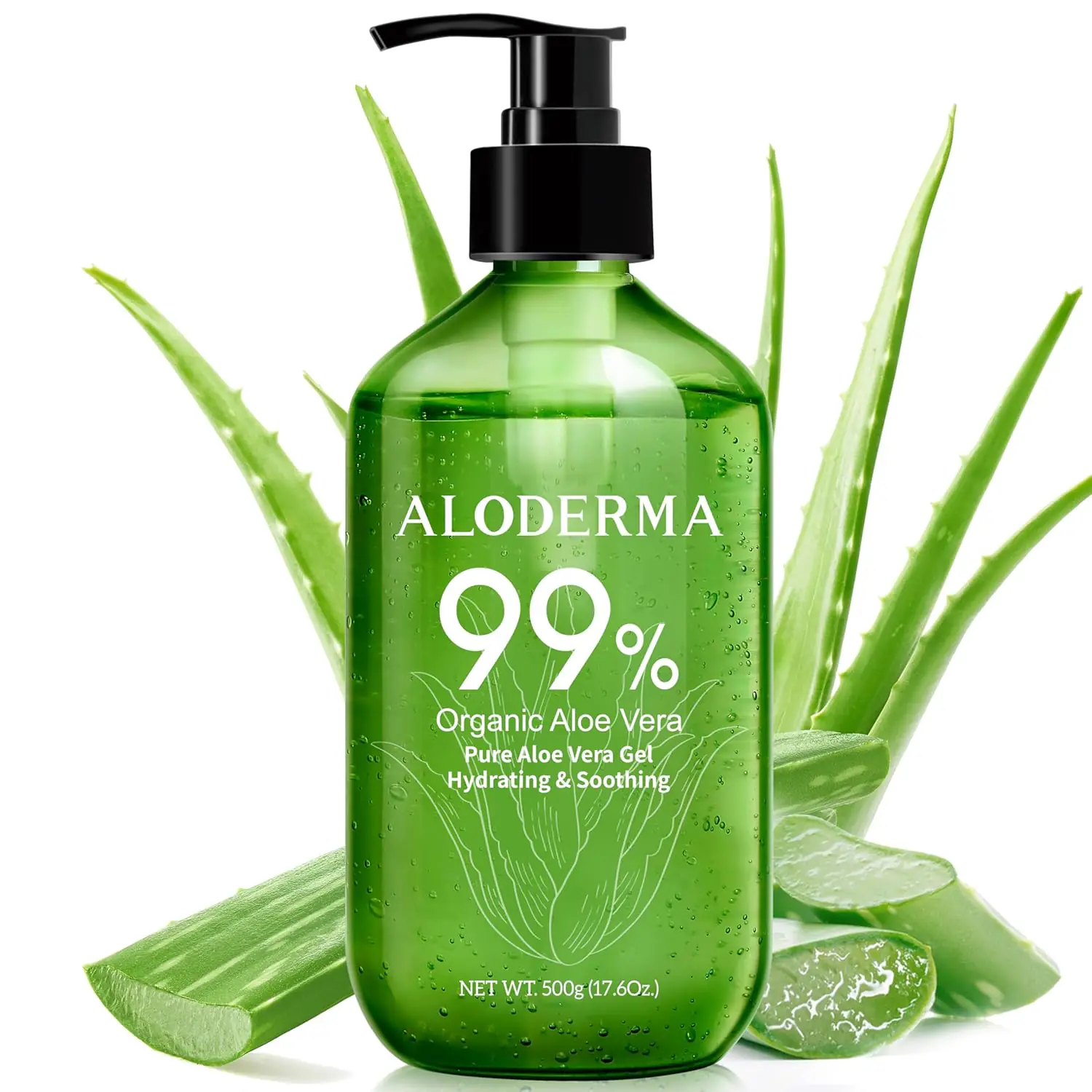
What to look for: Choose products with aloe vera juice or gel listed as the first ingredient, with an aloe content of 99% or higher. Avoid products with artificial fragrances, alcohol (denatured alcohol or ethanol), artificial colorants, or long lists of synthetic preservatives. A pure aloe vera gel (99%+) with minimal, clean additives is the gold standard for daily skincare use and overnight treatments.
How to Use Aloe Vera Gel on Face Overnight
Using aloe vera gel for face overnight is one of the simplest and most effective additions to any skincare routine. The skin’s natural overnight repair cycle makes nighttime the optimal window for active ingredients to work — and aloe’s gentle, non-irritating formula makes it safe for all-night use on virtually every skin type.
Step-by-Step Overnight Guide
- Cleanse face thoroughly. Remove all makeup, sunscreen, and daily buildup using your regular gentle cleanser. A clean canvas allows the aloe gel to penetrate unobstructed.
- Pat dry gently. Use a soft, clean towel and pat — never rub — your skin dry. Slightly damp skin actually helps aloe absorb more effectively, so leaving skin just barely moist is ideal.
- Apply a thin layer of aloe gel. Dispense a pea-sized to dime-sized amount of pure aloe vera gel onto clean fingertips and spread evenly across the entire face in gentle upward strokes. Less is more — a thin layer absorbs fully and works more effectively than a thick coating.
- Focus on problem areas. Gently pat a slightly thicker application directly onto any active breakouts, dark spots, dry patches, or areas of redness or irritation that need extra attention.
- Leave overnight. Aloe vera gel absorbs completely within a few minutes and leaves no sticky residue. There is no need to blot or remove it — simply allow it to work undisturbed throughout the night while your skin undergoes its natural regeneration cycle.
- Morning rinse (optional). Most skin types will find that aloe absorbs so completely that no morning rinse is needed. However, if your skin feels slightly tacky, a quick splash of cool water is all that’s required.
- Follow with moisturizer if needed. Those with very dry or mature skin may wish to layer a lightweight moisturizer over the aloe gel before bed, as aloe’s humectant properties draw moisture into skin but don’t provide the occlusive sealing that dry skin sometimes requires.
6 Aloe Vera Face Mask Recipes
1. Pure Aloe Vera Mask (Simplest)
Apply a generous, even layer of pure aloe vera gel to cleansed skin and leave on for 20–30 minutes before rinsing with cool water. This is the perfect starting point for aloe vera beginners and is suitable for all skin types, including the most sensitive. Use it as a weekly deep hydration and calming treatment, or as an emergency soothing mask after sun exposure or a reaction to a new product.
2. Aloe and Honey Mask (For Acne)
Mix 2 tablespoons of pure aloe vera gel with 1 teaspoon of raw Manuka honey. Apply to clean skin and leave for 20 minutes before rinsing. Raw honey’s powerful antibacterial properties work synergistically with aloe’s anti-inflammatory and antimicrobial compounds to fight active breakouts, reduce cystic swelling, and prevent new pimples from forming. This is one of the most effective natural acne masks available. Learn more in our comprehensive guide on honey face mask benefits.
3. Aloe and Turmeric Mask (For Brightening)
Combine 2 tablespoons of aloe vera gel with ¼ teaspoon of organic turmeric powder and mix thoroughly into a smooth golden paste. Apply to skin and leave for 15–20 minutes, then rinse with lukewarm water. Turmeric’s curcumin amplifies aloe’s melanin-inhibiting aloesin for a powerful dual brightening effect that visibly evens skin tone and reduces hyperpigmentation with regular use. Explore the full range of brightening turmeric recipes in our complete turmeric face mask guide.
4. Aloe and Vitamin E Mask (For Anti-Aging)
Squeeze the contents of 1–2 vitamin E capsules into 2 tablespoons of pure aloe vera gel and mix well. Apply to clean skin with an emphasis on areas showing signs of aging — around the eyes, forehead lines, and nasolabial folds. Leave on for 20–30 minutes, then rinse gently. Vitamin E is a fat-soluble antioxidant that penetrates deeply into the lipid layer of skin, where it works alongside aloe’s collagen-stimulating compounds for powerful wrinkle reduction and intensive nourishment. For a deeper look at this ingredient, explore our guide to vitamin E for face benefits.
5. Aloe and Lemon Mask (For Dark Spots)
Mix 2 tablespoons of aloe vera gel with ½ teaspoon of fresh lemon juice. Apply to dark spots or as an overall brightening mask and leave on for 10–15 minutes before rinsing. The aloe base neutralizes lemon’s potential for irritation while preserving its vitamin C brightening power, making this a safer and gentler combination than lemon juice alone. Always use this mask at night only and apply SPF the following morning, as lemon juice is photosensitizing.
6. Aloe and Cucumber Mask (For Cooling)
Blend ½ a peeled cucumber into a smooth purée and mix with 2 tablespoons of aloe vera gel. Chill in the refrigerator for 15–20 minutes before applying to skin. Leave on for 20 minutes, then rinse with cool water. Cucumber’s silica content, vitamin K, and high water content work with aloe’s anti-inflammatory compounds for an intensely cooling, de-puffing, and soothing treatment. This is the perfect weekend mask for congested, tired, or heat-stressed skin and an ideal post-workout or post-sun treatment.
How to Grow Your Own Aloe Vera Plant
Growing your own aloe vera plant is one of the most rewarding and sustainable skincare investments you can make. A single mature plant provides an unlimited, always-fresh supply of pure gel at zero ongoing cost — and caring for it is remarkably simple.
Easy indoor care: Aloe vera thrives in bright indirect light — a south or east-facing windowsill is ideal. It tolerates a wide range of indoor temperatures (15–27°C / 60–80°F) and actually prefers the warm, dry conditions typical of most homes.
Low maintenance: The golden rule for aloe vera is to water deeply but infrequently. Allow the soil to dry out completely between watering — typically every 2–3 weeks in warmer months and once a month in winter. Overwatering is the only common mistake that kills aloe plants. Use a well-draining cactus or succulent potting mix in a terracotta pot with drainage holes.
Always fresh supply: Harvest only the thick outer leaves from a mature plant (plants need to be at least 3–4 years old to produce gel-rich leaves), and always harvest from the outside inward to allow the plant to continue growing from its center. A healthy plant can provide 2–4 harvestable leaves per month.
Sustainable skincare: Growing your own aloe eliminates plastic packaging, preservatives, shipping emissions, and ongoing product costs. If you’re new to growing aloe or want to start immediately, an organic aloe vera plant from a reputable nursery gives you a head start with a plant that’s already mature enough to begin harvesting within a few months.\
Can Aloe Vera Have Side Effects?
Aloe vera is one of the safest topical skincare ingredients available, and adverse reactions are genuinely rare — but they do occur in a small subset of people, and it’s important to be informed before beginning regular use.
Rare allergic reactions: A small percentage of people experience contact dermatitis from aloe vera, typically presenting as redness, itching, hives, or a burning sensation. This is more common in individuals who are allergic to other plants in the Liliaceae family, including garlic, onions, and tulips.
Patch test importance: Before applying aloe vera gel for face use for the first time — especially overnight — always perform a 24-hour patch test on your inner arm. Apply a small amount of gel and monitor for any irritation, redness, or swelling before proceeding to full-face application. This one step prevents the vast majority of adverse reactions.
Latex warning (fresh aloe): The yellow sap found just beneath the outer skin of a fresh aloe leaf — called aloin or aloe latex — can cause significant skin irritation and must be removed before applying fresh gel to skin. Always allow a cut aloe leaf to drain cut-side down for at least 10–15 minutes, and rinse the exposed gel surface thoroughly before use.
Who should exercise caution: Those with known plant latex allergies should proceed cautiously and always opt for commercial pure aloe gel (which is processed to remove aloin) over fresh gel. People currently taking blood-thinning medications should consult their doctor before regular topical use, as aloe’s compounds can affect clotting in rare cases of high skin absorption.
Pregnancy considerations: Topical aloe vera gel is generally considered safe during pregnancy for external skincare use. However, aloe vera taken orally (as a supplement or juice) should be avoided during pregnancy. If in doubt, always consult your obstetrician before starting any new skincare ingredient during pregnancy.
Best Time to Apply Aloe Vera
Morning routine: Applied after cleansing and before sunscreen, a thin layer of aloe vera works beautifully as a lightweight, hydrating base. Its non-greasy texture absorbs fully within minutes, leaving skin smooth and primed for sunscreen and makeup application. Its antioxidant content also provides an additional layer of protection against environmental oxidative stress throughout the day.
Night treatment (most effective): Nighttime is the optimal window for aloe vera for face benefits to work. The skin’s nighttime repair cycle — during which cell turnover accelerates, collagen synthesis increases, and blood flow to the skin rises — creates the perfect conditions for aloe’s active compounds to penetrate deeply and deliver maximum results. Consistent overnight use is where the most significant improvements in hydration, skin tone, and texture are seen.
Post-sun exposure: Apply chilled aloe vera immediately after sun exposure — even if no visible burn is apparent — to neutralize UV-triggered inflammation before it progresses. This is one of aloe’s most evidence-backed applications and one of the fastest-acting uses of the gel.
After exfoliation: Following any form of exfoliation — whether chemical (AHAs, BHAs) or physical (scrubs) — the skin is more sensitive and permeable. A generous application of aloe vera gel immediately after exfoliating calms any irritation, reinforces the temporarily weakened skin barrier, and allows the gel’s active compounds to penetrate more deeply than usual.
Makeup primer use: A very thin, fully absorbed layer of aloe vera gel applied before foundation creates a smooth, hydrated surface that helps makeup adhere more evenly and last longer — without adding any oiliness or heaviness beneath makeup.
📌 Pin this complete aloe vera guide! Save these 11 benefits and DIY recipes to your Natural Skincare board for glowing, healthy skin! [Pinterest Pin Button]
Frequently Asked Questions
Can I apply aloe vera on my face everyday?
Yes — aloe vera is gentle enough for twice-daily use on most skin types. It does not cause irritation, sensitivity, or dependency with regular use. In fact, daily use progressively strengthens the skin barrier and improves hydration over time. The only exception is individuals with a known aloe allergy, who should avoid it entirely, and those with very sensitive skin, who should start with once-daily application and increase gradually.
Does aloe vera gel lighten skin?
Aloe vera does not bleach or drastically lighten the skin, but its aloesin content inhibits tyrosinase — the enzyme that drives melanin overproduction — which gradually reduces the intensity of dark spots, post-acne marks, and hyperpigmentation over several weeks of consistent use. The result is a more even, brighter complexion rather than a change in overall skin tone. Combined with vitamin C or turmeric, its brightening effect is significantly amplified.
Can I sleep with aloe vera on my face?
Yes — sleeping with a thin layer of aloe vera gel for face overnight is not only safe for most skin types but is one of the most effective ways to use it. The gel absorbs completely and leaves no residue on pillowcases. It works in harmony with the skin’s natural overnight repair cycle, and consistent overnight use typically shows better results than daytime-only application for anti-aging, brightening, and acne-related goals. Always perform a patch test first if you’re using aloe on your face for the first time.
Is fresh aloe better than store-bought gel?
Fresh aloe vera gel extracted from a live plant contains the highest concentration of bioactive compounds and no preservatives or additives. For acute uses — sunburn, active breakouts, wound healing — fresh gel is superior. However, a high-quality commercial gel (99%+ aloe, minimal additives, no alcohol or artificial fragrance) is very effective for daily routine use and is far more convenient and consistent. For most people’s everyday skincare needs, a premium store-bought gel is an excellent and practical choice.
Can aloe vera remove pimples overnight?
While aloe vera is unlikely to make a large, established cystic pimple disappear overnight, it can produce noticeable results on small, surface-level breakouts in a single night. Its anti-inflammatory compounds rapidly reduce the redness and swelling around active pimples, while its antibacterial action slows bacterial proliferation. Spot-applying a generous amount of pure aloe gel directly to a new pimple before bed and leaving it overnight often results in visibly reduced size and redness by morning — especially when combined with a clean diet and adequate hydration.
Conclusion
Few natural ingredients can match the extraordinary versatility of aloe vera for face — from deep hydration and acne treatment to anti-aging, scar fading, and barrier repair, this single plant addresses virtually every common skin concern safely and effectively. It is suitable for all skin types, including the most sensitive, and gentle enough for twice-daily use without risk of irritation or over-dependence. The best place to start is with the simplest approach: tonight, apply a thin layer of pure aloe vera gel for face overnight after cleansing and let nature do the rest. Within two to three weeks of consistent use, you’ll begin to see — and feel — the difference in your skin’s hydration, clarity, and glow.
