

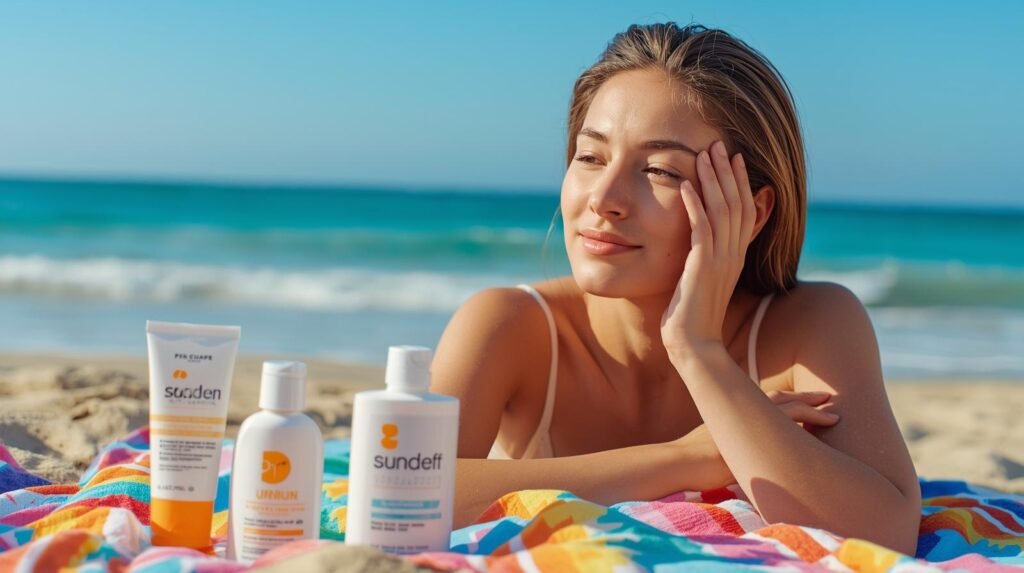
Choosing a sunscreen sounds simple — but walk into any beauty store and you’ll quickly realize the options are overwhelming. Gel vs cream, chemical vs mineral, SPF 30 vs SPF 50, non-comedogenic vs hydrating. What works perfectly for one person’s skin may cause breakouts, white cast, or excessive shine on another’s. Understanding the right sunscreen protection tips for your specific skin type is what turns generic SPF advice into a routine you’ll actually stick to — and that consistency is what makes the difference in long-term skin health.
This guide breaks down sunscreen selection by skin type, explains the chemical vs mineral debate with clarity, and covers what to look for (and avoid) on ingredient labels. If you’re also looking for how to apply it correctly, see our step-by-step guide on how to use sunscreen correctly.
Chemical vs Mineral Sunscreen — What’s the Difference?
Before diving into skin-type-specific sunscreen protection tips, it’s essential to understand how the two main categories of sunscreen actually work. This distinction often determines which formula will feel best and perform best on your skin.
Chemical Sunscreens — How They Work
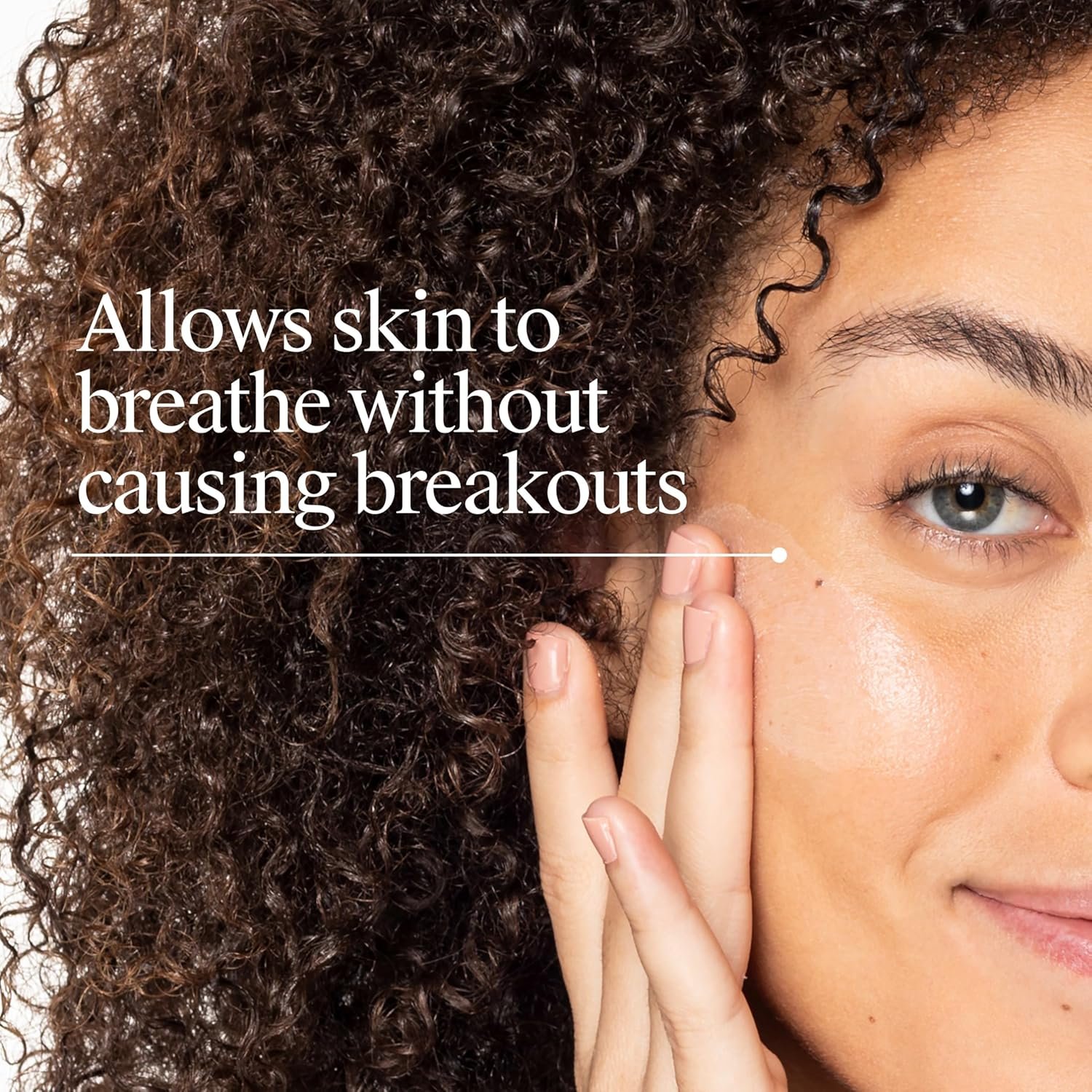
Buy Product Neutrogena Clear Face Sunscreen Lotion for Acne-Prone Skin
Chemical sunscreens contain organic (carbon-based) UV-filtering compounds — the most common include avobenzone, oxybenzone, octinoxate, and octisalate. They work by absorbing UV radiation and converting it into heat, which is then released from the skin. Key characteristics:
- Lightweight and sheer — no white cast
- Must be applied 15–20 minutes before sun exposure to activate
- More cosmetically elegant for daily use under makeup
- More likely to cause irritation in sensitive or reactive skin
- Some filters (especially oxybenzone) have raised concerns about hormonal disruption — though evidence in real-world dosages remains limited
Mineral Sunscreens — How They Work
Mineral sunscreens (also called physical sunscreens) use zinc oxide and/or titanium dioxide as active ingredients. They sit on the skin’s surface and physically reflect and scatter UV radiation. Key characteristics:
- Provide immediate protection — no 15-minute wait needed
- Less likely to irritate — ideal for sensitive, reactive, or acne-prone skin
- Reef-safe (important for ocean swimmers and surfers)
- Traditional formulas can leave a visible white cast, especially on darker skin tones
- Modern nano or micronized zinc oxide formulas significantly reduce the white cast issue
Many modern sunscreens are hybrids — they combine both chemical and mineral filters to balance efficacy with cosmetic elegance. These are often a good starting point if you’re unsure which type suits you better.
Sunscreen Protection Tips by Skin Type
Sunscreen Protection Tips for Oily Skin
Oily skin is the most commonly cited reason people skip sunscreen — and it’s a genuine problem if you choose the wrong formula. The right sunscreen won’t make oily skin worse. Here’s what to look for:
- Format: Gel, fluid, or water-based sunscreens — these absorb quickly without leaving an oily residue.
- Labels to look for: “Oil-free,” “matte finish,” “sebum control,” “weightless,” “non-comedogenic.”
- Best active ingredients: Zinc oxide (mineral) — zinc has natural oil-absorbing and anti-inflammatory properties that actually benefit oily skin.
- Bonus ingredients: Niacinamide helps regulate sebum production while providing additional skin barrier benefits.
- Avoid: Heavy cream formulas with emollient-rich bases — designed for dry skin and will feel suffocating on oily skin.
Sunscreen Protection Tips for Dry Skin
Dry skin needs sunscreen that protects without stripping the skin barrier. Look for formulas that double as moisturizers or work alongside one effectively:
- Format: Rich cream or lotion — these provide adequate hydration alongside UV protection.
- Key moisturizing ingredients to look for: Hyaluronic acid, glycerin, ceramides, squalane, or shea butter.
- SPF moisturizers: Combined moisturizer + SPF products streamline your routine and work well for dry skin — just ensure SPF 30+ is the stated protection level.
- Avoid: Alcohol-based sprays or mattifying formulas that can further dehydrate dry skin.
Sunscreen Protection Tips for Acne-Prone Skin
Finding sunscreen for acne-prone skin is about understanding which ingredients cause breakouts and which don’t. This is where non-comedogenic sunscreen matters most:
- Non-comedogenic: This term means the formula has been tested and confirmed not to clog pores. It’s essential for acne-prone skin — non-comedogenic sunscreen provides UV protection without feeding the conditions that cause breakouts.
- Mineral zinc oxide: Particularly beneficial for acne-prone skin because zinc has genuine antibacterial and anti-inflammatory properties that may actually help calm existing breakouts.
- Oil-free, fragrance-free: Fragrance is a common irritant that can trigger inflammation in sensitive, acne-prone skin.
- Ingredients to avoid on acne-prone skin: Coconut oil (highly comedogenic), lanolin, isopropyl myristate, cetearyl alcohol, and heavy silicones — all can block pores and trigger breakouts.
Sunscreen Protection Tips for Sensitive Skin
Sensitive skin requires the simplest, most gentle formulas possible. The fewer the ingredients, the lower the likelihood of a reaction:
- Mineral only: Choose pure mineral sunscreens (zinc oxide and/or titanium dioxide) rather than chemical or hybrid formulas. Zinc oxide is so gentle it’s used in baby rash products.
- Fragrance-free: Fragrance — synthetic or natural — is one of the most common triggers for skin irritation and contact dermatitis. Always choose unscented formulas.
- Paraben-free and preservative-minimal: Fewer preservatives reduce irritation risk for reactive skin types.
- Patch test: Always test a new sunscreen on the inner wrist or behind the ear for 24–48 hours before applying to the full face.
For a broader look at sun safety beyond just sunscreen choice, including clothing, hats, and seasonal protection advice, see our guide on complete year-round sun safety tips.
How to Read a Sunscreen Label
Understanding what you’re buying is one of the most valuable sunscreen protection tips of all. Here’s a breakdown of every key label term:
- Broad Spectrum: Protects against both UVA and UVB — non-negotiable. Never buy a sunscreen without this label.
- SPF number: SPF 30 minimum for daily use; SPF 50+ for prolonged outdoor exposure or fair/sensitive skin.
- Water Resistant (40 min) or (80 min): Tells you how long water resistance lasts during water exposure before reapplication is needed. All water-resistant sunscreens still require reapplication.
- Active ingredients: Zinc oxide or titanium dioxide = mineral. Avobenzone, oxybenzone, octinoxate = chemical.
- Non-comedogenic: Formally tested to not clog pores — important for oily and acne-prone skin.
- Expiry date or PAO symbol: Check before every purchase. Expired sunscreen loses its UV-filtering efficacy.
Non-Comedogenic Sunscreen — Why It Matters
The term “non-comedogenic” is one of the most important sunscreen protection tips to understand for anyone with oily, combination, or acne-prone skin. A comedone is a blocked pore — whiteheads and blackheads are forms of comedones. Comedogenic ingredients promote pore blockage; non-comedogenic formulas are specifically designed and tested to avoid this.
When pores are blocked by heavy oils or waxy sunscreen bases, sebum becomes trapped beneath the blockage, creating an environment where acne-causing bacteria thrive. Non-comedogenic sunscreens use lighter silicone-based or water-based carriers instead of heavy oils, providing effective UV protection without increasing breakout risk. Always verify the label — “non-comedogenic” is a tested, regulated claim, not just a marketing phrase.
Top Sunscreen Ingredients to Look For (and Avoid)
Look for these beneficial ingredients:
- Zinc oxide — broad-spectrum UV protection, oil-controlling, anti-inflammatory, gentle
- Titanium dioxide — mineral UV filter, gentle for sensitive skin
- Niacinamide — regulates sebum, minimizes pores, anti-inflammatory, skin barrier support
- Hyaluronic acid — hydration without greasiness, suitable for all skin types
- Vitamin C (ascorbic acid) — antioxidant that enhances UV damage defense
- Ceramides — skin barrier repair and moisture retention, ideal for dry or sensitive skin
Be cautious of these ingredients if you have oily, acne-prone, or sensitive skin:
- Coconut oil — highly comedogenic rating (4/5), clogs pores in many people
- Oxybenzone — chemical filter that can cause irritation in sensitive skin; some hormonal disruption concerns
- Fragrances/parfum — one of the most common contact allergens and skin irritants
- Isopropyl myristate — known comedogenic ingredient often found in sunscreen bases
- Alcohol denat (high on ingredient list) — can strip skin moisture when used as a primary carrier
For the full guide on core application rules — including SPF number comparisons, the 3-finger rule, and reapplication timing — visit our sunscreen rules guide.
Frequently Asked Questions
What sunscreen protection tips are best for oily skin?
For oily skin, the key sunscreen protection tips are: choose a non-comedogenic, oil-free formula in gel or fluid format; look for labels saying “matte finish” or “sebum control”; and consider mineral sunscreens with zinc oxide, which naturally help control oil and reduce inflammation.
Is chemical or mineral sunscreen better?
Neither is universally better — the right choice depends on your skin type, needs, and preferences. Chemical sunscreens are lightweight and cosmetically elegant, making them ideal for daily use, especially under makeup. Mineral sunscreens are gentler and provide immediate protection, making them ideal for sensitive, reactive, and acne-prone skin.
What does non-comedogenic sunscreen mean?
Non-comedogenic sunscreen means the formula has been specifically tested and confirmed not to clog pores (comedones). This is one of the most critical sunscreen protection tips for people with oily, combination, or acne-prone skin because pore-clogging ingredients in sunscreen can trigger whiteheads, blackheads, and inflammatory breakouts.
Can sunscreen cause acne or breakouts?
Yes — certain sunscreen formulas can trigger breakouts, but this is a problem with specific ingredients, not sunscreen as a category. Comedogenic oils, heavy wax-based emollients, and certain silicones can block pores and contribute to acne. The solution is to choose an oil-free, non-comedogenic sunscreen specifically formulated for acne-prone or oily skin. Mineral zinc oxide sunscreens are often the best starting point — zinc’s antibacterial and anti-inflammatory properties make it particularly well-suited to acne-prone skin types. If you’re still unsure which formula suits your skin, see our article on sunscreen safety tips for broader guidance.
Conclusion
There is no single “best” sunscreen — there is only the best sunscreen for your skin type, applied correctly, every day. By matching your formula to your skin’s specific needs and following these sunscreen protection tips, you dramatically increase the chance that sunscreen becomes a non-negotiable part of your daily routine rather than an occasional habit. And when it comes to UV protection, daily consistency is everything.
