

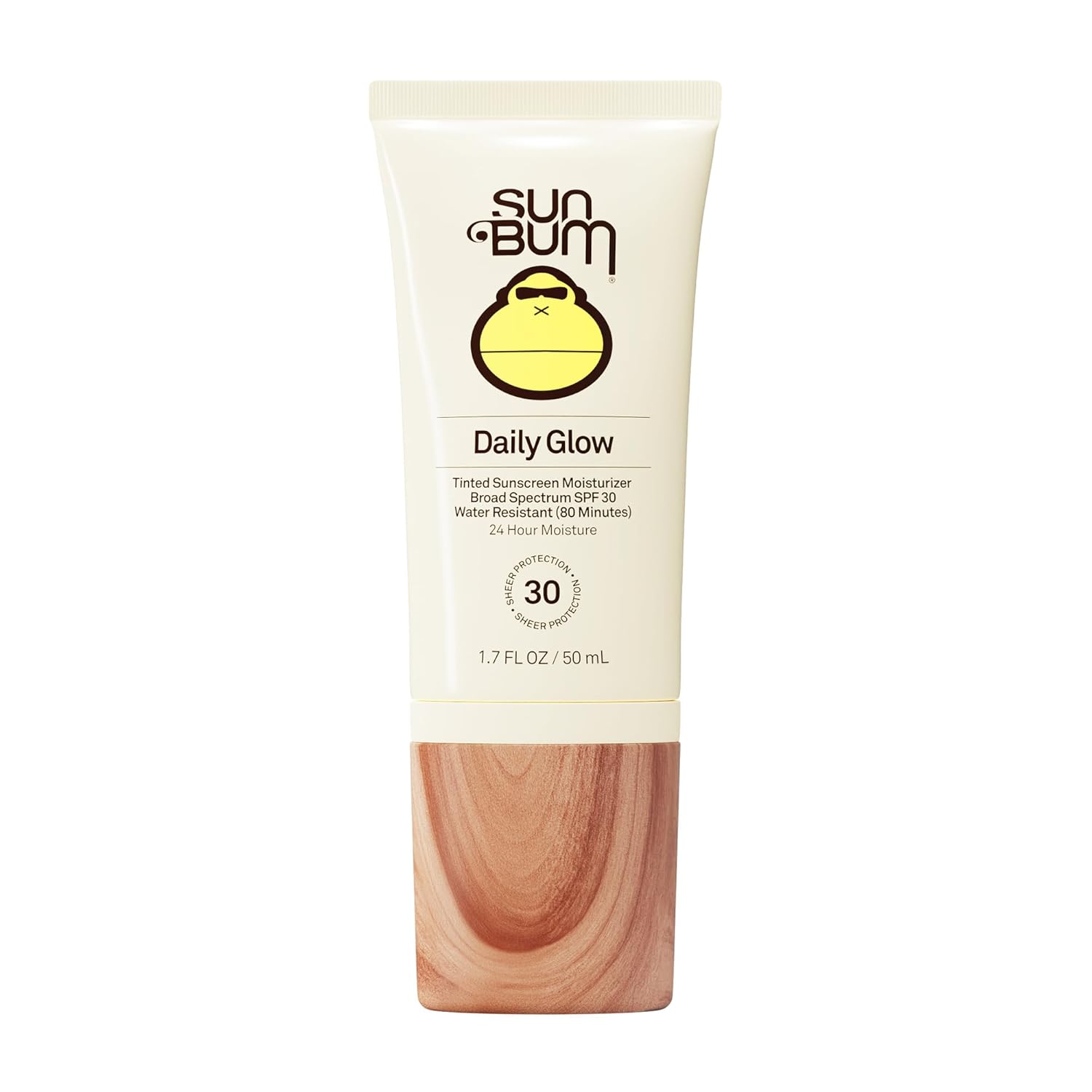
UV radiation every single day. Building genuine sun safety tips into your year-round routine is one of the most impactful decisions you can make for your skin’s long-term health. If you’re looking for a lightweight daily starting point, many users find that something like Sun Bum Daily SPF 30 Glow Sunscreen Face Lotion – Moisturizing Facial Sunscreen fits naturally into a morning routine — it combines broad-spectrum SPF protection with hydrating ingredients, making it easier to stay consistent without adding extra steps. Consistency, after all, is what actually protects your skin.
This complete guide covers everything you need — from understanding UV rays and the 5 S’s of sun protection to daily SPF habits, seasonal tips, and answers to the most common sun safety questions. Whether you’re new to SPF or refining an existing routine, there’s something here for every skin type and lifestyle.
Why Sun Safety Tips Matter Year-Round
There’s a widespread belief that sun protection is only necessary when the sun is visibly bright or when you’re spending time outdoors for leisure. This belief is responsible for a significant amount of preventable UV skin damage. Here’s what the science actually tells us:
- UVA rays are present 365 days a year. Unlike UVB rays (which peak in summer and vary by season), UVA radiation levels remain relatively constant year-round. UVA penetrates deeper into the dermis, breaking down collagen and elastin — the proteins responsible for firm, youthful skin. It’s the primary driver of premature aging and dark spots.
- UVA passes through glass. If you sit near a window at home, in an office, or during a daily commute, you’re receiving UVA exposure even without going outside. This is a form of sun damage most people never account for.
- Cloud cover doesn’t stop UV radiation. Up to 80% of UV rays penetrate cloud cover. Overcast days can create a false sense of safety — many people receive their worst sunburns on cloudy days at the beach precisely because they skip protection.
- UV damage is cumulative. The skin damage from years of unprotected incidental exposure — short walks, car rides, time near windows — adds up silently. Skin cancer and premature aging are largely the product of decades of small, overlooked exposures rather than just extreme beach days.
The good news: following a few consistent sun safety tips every day is all it takes to break this cycle and meaningfully reduce your lifetime UV exposure. The habits don’t have to be complicated — they just have to be consistent.
For more on how UV exposure differs across seasons and situations, see our full guide on year-round sun safety and SPF protection.
The 5 S’s of Sun Protection
The 5 S’s of sun protection were developed by Australia’s Cancer Council and have become the global gold standard for comprehensive UV protection education. They work as a layered system — no single S is as effective as all five together. Here’s each one explained:

1. Slip — Slip on Protective Clothing
Clothing is your most reliable and consistent barrier against UV radiation. Wear long-sleeved shirts, long pants, and dense-weave fabrics when spending extended time outdoors. For serious sun protection, look for garments with a UPF (Ultraviolet Protection Factor) rating — UPF 50+ fabric blocks 98%+ of UV rays, offering more reliable protection than any sunscreen reapplication schedule. Darker colours and tightly woven fabrics provide better coverage than thin or light-coloured options.
2. Slop — Slop on Broad-Spectrum SPF 30+ Sunscreen
Apply a generous amount of broad-spectrum sunscreen to all exposed skin at least 15 minutes before going outside. Broad-spectrum means protection against both UVA (aging) and UVB (burning) rays — always check for this label. Use SPF 30 as your daily minimum; go to SPF 50+ for beach days, sports, or any extended outdoor activity. The most important and most overlooked sunscreen tip: apply enough. Most people use half the required amount, which significantly reduces their effective protection. The 3-finger rule for sunscreen is a simple way to measure the correct dose.
3. Slap — Slap on a Wide-Brimmed Hat
A hat with a brim of at least 7.5cm (3 inches) all around protects the face, scalp, ears, and neck — areas where skin cancer is particularly common and where sunscreen is frequently missed or applied unevenly. Baseball caps only protect the forehead. For genuine protection outdoors, opt for wide-brimmed hats, bucket hats, or legionnaire-style caps with neck flaps.
4. Seek — Seek Shade in Peak UV Hours
UV radiation is most intense between 10am and 4pm. During these hours, seek shade whenever possible — under trees, umbrellas, awnings, or covered structures. It’s worth knowing that shade isn’t a complete barrier: reflected UV from sand, water, snow, and concrete still reaches the skin. Sun safety tips like sunscreen and protective clothing still apply even when you’re in the shade.
5. Slide — Slide on UV-Protective Sunglasses
UV radiation affects the eyes and the delicate skin surrounding them. Long-term UV exposure to the eyes contributes to cataracts, macular degeneration, and photokeratitis. Choose sunglasses that block 99–100% of both UVA and UVB radiation. Wraparound styles offer the most comprehensive protection by preventing UV from entering at the sides and top of the frame. This is one of the most overlooked yet valuable sun damage prevention habits.
Best Sun Protection Tips for Daily Use
The 5 S’s give you the framework — but daily-use sun protection requires habits that fit realistically into your routine. Here are the most practical sunscreen tips for everyday life:
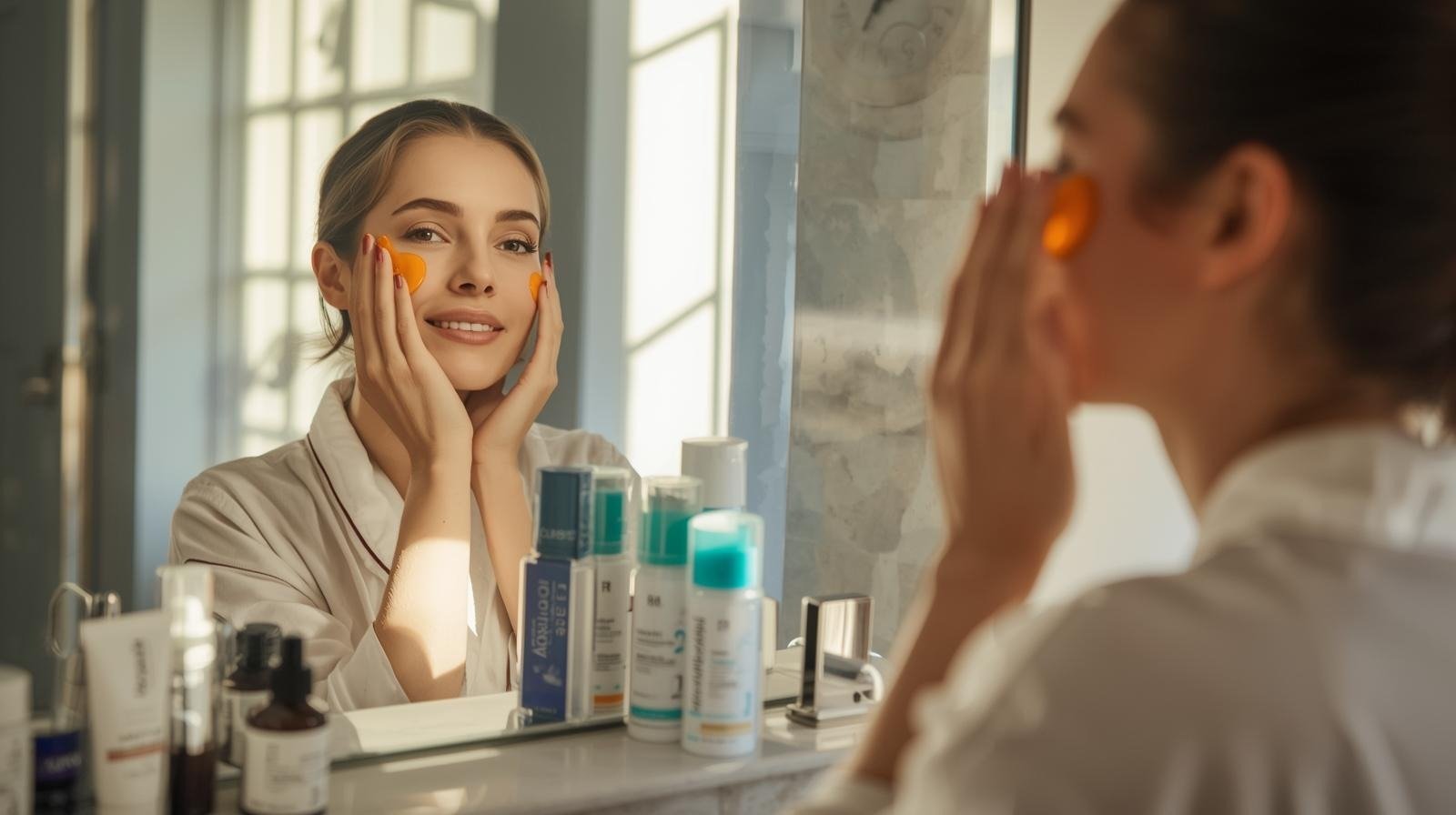
Make Sunscreen the Last Step in Your Morning Skincare
Sunscreen should always be applied after moisturizer and before makeup. This is the correct order because sunscreen needs to form an uninterrupted protective layer on your skin’s surface. Apply it at least 15 minutes before going outside if you’re using a chemical formula — this gives it time to activate. For mineral formulas, protection begins immediately.
Choose the Right Facial Sunscreen for Your Skin Type
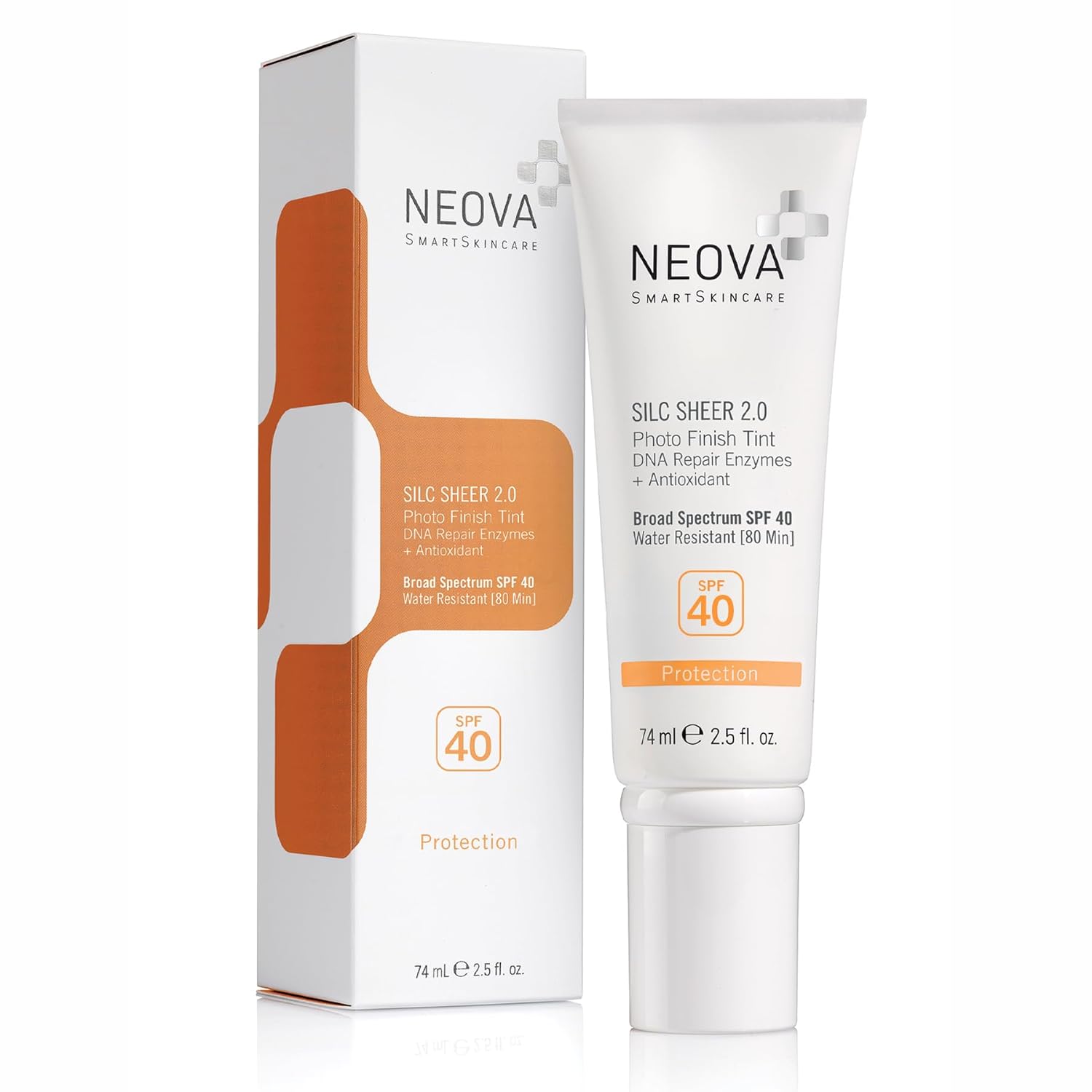
One of the most common reasons people skip sunscreen is that they haven’t found a formula that works for their skin. The best SPF protection is the one you’ll use consistently — which means finding a texture, finish, and formula that suits you. For everyday facial use, dermatologists often recommend products that balance strong UV protection with skin-friendly ingredients. A well-regarded option for daily facial use is NEOVA SmartSkincare Facial Sunscreen Everyday Facial — it’s formulated specifically for daily facial wear with antioxidant-enhanced UV protection, making it a practical choice for people who want their sunscreen to do more than just block UV rays. For oily skin, look for gel or fluid formulas. For dry skin, cream-based SPF moisturizers work best. Sensitive skin does best with mineral (zinc oxide) formulas.
Reapply — Every 2 Hours Without Exception
Reapplication is the rule most people skip — and it’s the one that makes or breaks real-world SPF protection. Sunscreen degrades through UV exposure, sweat, and friction. Even the best high-SPF sunscreen won’t last all day without reapplication. The rule is simple: reapply every 2 hours when outdoors. After swimming or heavy sweating, reapply immediately regardless of how much time has passed.
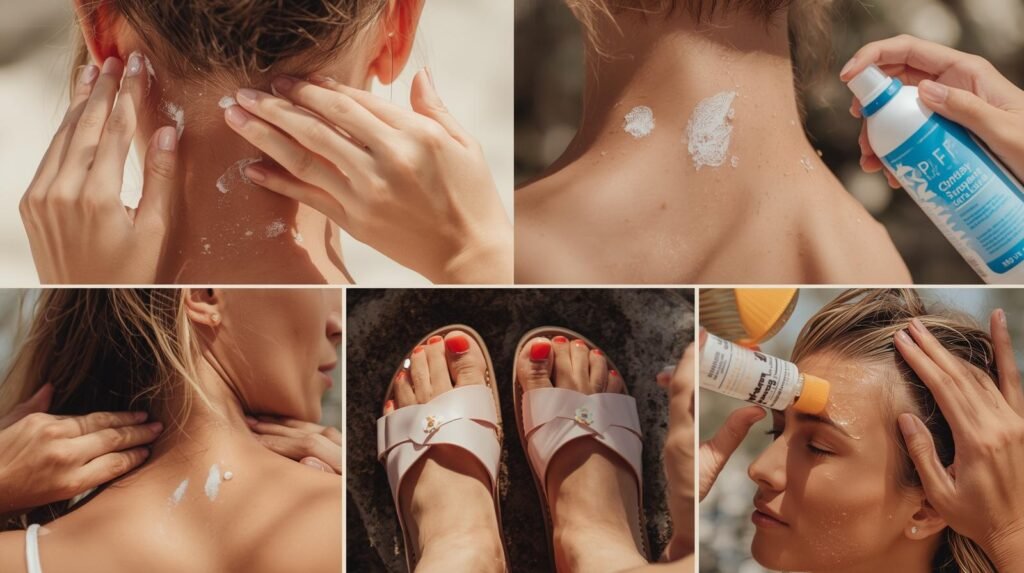
Don’t Forget These 5 Commonly Missed Areas
Even diligent sunscreen users frequently miss high-exposure areas. Check these five spots every time you apply:
- Ears — front and back, one of the most common sites for skin cancer
- Back of the neck — frequently exposed and rarely covered
- Tops of the feet — missed during sandal season
- Lips — use an SPF 15+ lip balm
- Scalp and hairline edges — use a spray or powder SPF along the parting
Protect Yourself Indoors Too
If you spend several hours per day near windows — at a desk, in the car, or at home — apply sunscreen to exposed areas like the face, hands, and forearms every morning. UVA rays penetrate window glass and cause the same cumulative skin damage as outdoor exposure, just more slowly and less visibly. This is one of the most underappreciated daily sun safety tips for office workers and commuters.
UV Protection Beyond Sunscreen
Sunscreen is a vital tool for sun damage prevention — but it works best as part of a broader UV protection strategy. Here are the additional layers that make your sunscreen routine genuinely comprehensive:
UPF Clothing — The Most Reliable Physical Barrier
UV-protective clothing with a UPF 50+ rating blocks 98% or more of UV radiation without any reapplication needed. For beach days, hiking, or any prolonged outdoor activity, UPF clothing offers a more consistent and reliable layer of protection than sunscreen, which degrades over time. Many outdoor and sportswear brands now offer stylish, lightweight UPF options that don’t feel like sun protection gear.
Antioxidants in Your Skincare Routine
Antioxidants like Vitamin C, Vitamin E, and niacinamide don’t replace sunscreen — but they complement it powerfully. They neutralize free radicals generated by UV radiation that sunscreen doesn’t catch, reducing oxidative skin damage. Applying a Vitamin C serum in the morning before your sunscreen is one of the most science-backed ways to enhance your overall UV protection strategy.
Window Film for Indoor UV Protection
If you sit near windows for many hours per day, UV-blocking window film is a practical long-term investment. Applied directly to window glass, it filters out UVA rays without affecting visible light. It’s particularly worth considering for home offices, car windows, and any room where you spend significant seated time near natural light.
Seasonal Awareness — Winter and Snow Amplify UV
Winter is not a UV-free season. Snow reflects up to 80% of UV radiation — meaning high-altitude and ski environments can expose you to more intense UV than a summer beach. Apply SPF 30+ to your face and any exposed skin daily throughout winter, and use SPF 50+ if you’re skiing, snowboarding, or spending time at altitude. Year-round consistent protection is the foundation of all effective sun safety habits. For skin-type-specific product guidance, visit our detailed sunscreen protection tips by skin type article.
Frequently Asked Questions
What are the 5 S’s of sun protection?
The 5 S’s of sun protection are: Slip on sun-protective clothing, Slop on broad-spectrum SPF 30+ sunscreen, Slap on a wide-brimmed hat, Seek shade especially between 10am and 4pm, and Slide on UV-protective sunglasses. Developed by Australia’s Cancer Council, they represent a layered, multi-barrier approach to UV protection that goes well beyond sunscreen alone. Together, the 5 S’s cover every major form of UV exposure — making them the most comprehensive sun safety tips framework available.
Do I need sunscreen on cloudy days?
Yes — without question. Up to 80% of UV rays pass through cloud cover and reach your skin on overcast days. Cloud cover reduces visible brightness and heat, but it has a minimal effect on UV radiation intensity. Many people receive their most significant sunburns on cloudy beach or outdoor days because they assume the lack of sunshine means low UV. Following your regular sun safety tips — including daily sunscreen application — is just as important on overcast days as it is in full sun.
How often should I reapply sunscreen?
Reapply sunscreen every 2 hours during outdoor exposure, and immediately after swimming, sweating heavily, or toweling dry. For water activities, use a water-resistant formula — but still reapply within its stated resistance window (40 or 80 minutes). For indoor workers with minimal sun exposure, a thorough morning application is often sufficient, but any outdoor time during the day — commuting, a lunch walk, an outdoor meeting — warrants a midday reapplication. For reapplication over makeup, a mineral SPF setting powder or SPF facial spray is a practical solution.
What is the best facial sunscreen for daily use?
The best facial sunscreen for daily use is the one you’ll actually apply consistently — which means finding a formula that suits your skin type, texture preferences, and lifestyle. Look for broad-spectrum SPF 30 or higher, non-comedogenic labeling if you have oily or acne-prone skin, and hydrating ingredients if your skin tends to run dry. For a lightweight, glow-finish daily option, Sun Bum Daily SPF 30 Glow Sunscreen Face Lotion – Moisturizing Facial Sunscreen has earned a strong following for its wearable texture and skin-nourishing formula. For antioxidant-enhanced daily facial protection, NEOVA SmartSkincare Facial Sunscreen Everyday Facial is a popular choice among people who want their SPF to actively support skin health beyond just blocking UV. The best approach is to try a few options and commit to the one that feels right for your skin every single day.
Conclusion
Sun safety isn’t a summer-only concern — it’s a year-round habit that pays dividends across decades. By following the sun safety tips in this guide — applying broad-spectrum SPF daily, embracing the 5 S’s, choosing the right product for your skin, and staying consistent through every season — you’re giving your skin the best possible long-term defense against UV rays skin damage. Start today, stay consistent, and the results will speak for themselves over time. For more help building your complete sun protection routine, explore our 10 essential sunscreen safety tips.
