

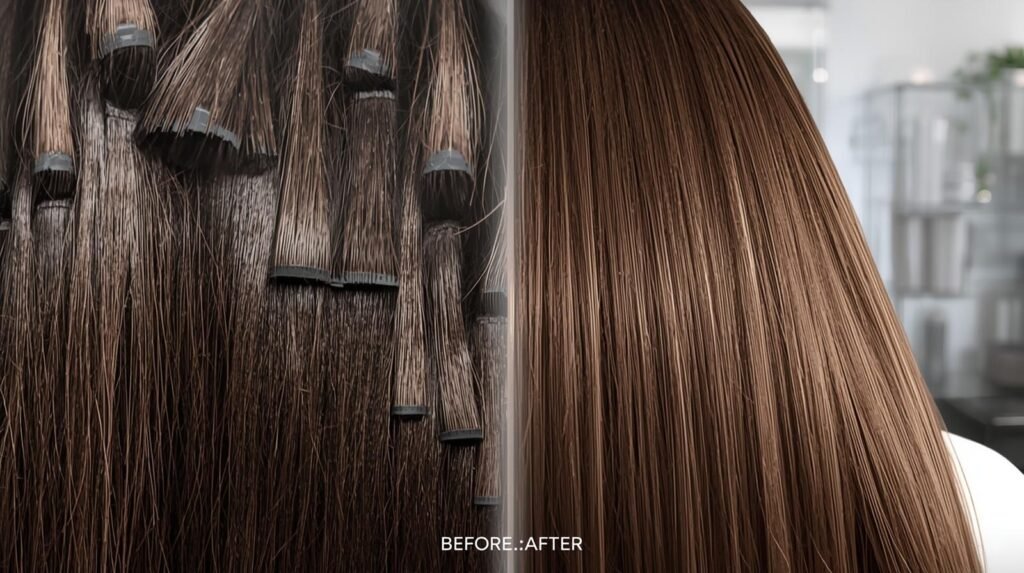
8 Genius Split Ends Repair Fixes That Stylists Don’t Want You to Know
Split ends are the one thing standing between you and the long, healthy, beautiful hair on every hair care vision board you have ever saved. You trim them, they come back. You buy products, they keep splitting. The problem is that most people are trying to fix split ends repair with the wrong approach entirely. Stylists know exactly what works — and the most effective fixes are simpler and cheaper than anything they recommend in the salon. Here are 8 that actually deliver results, starting tonight.
Why Split Ends Keep Coming Back
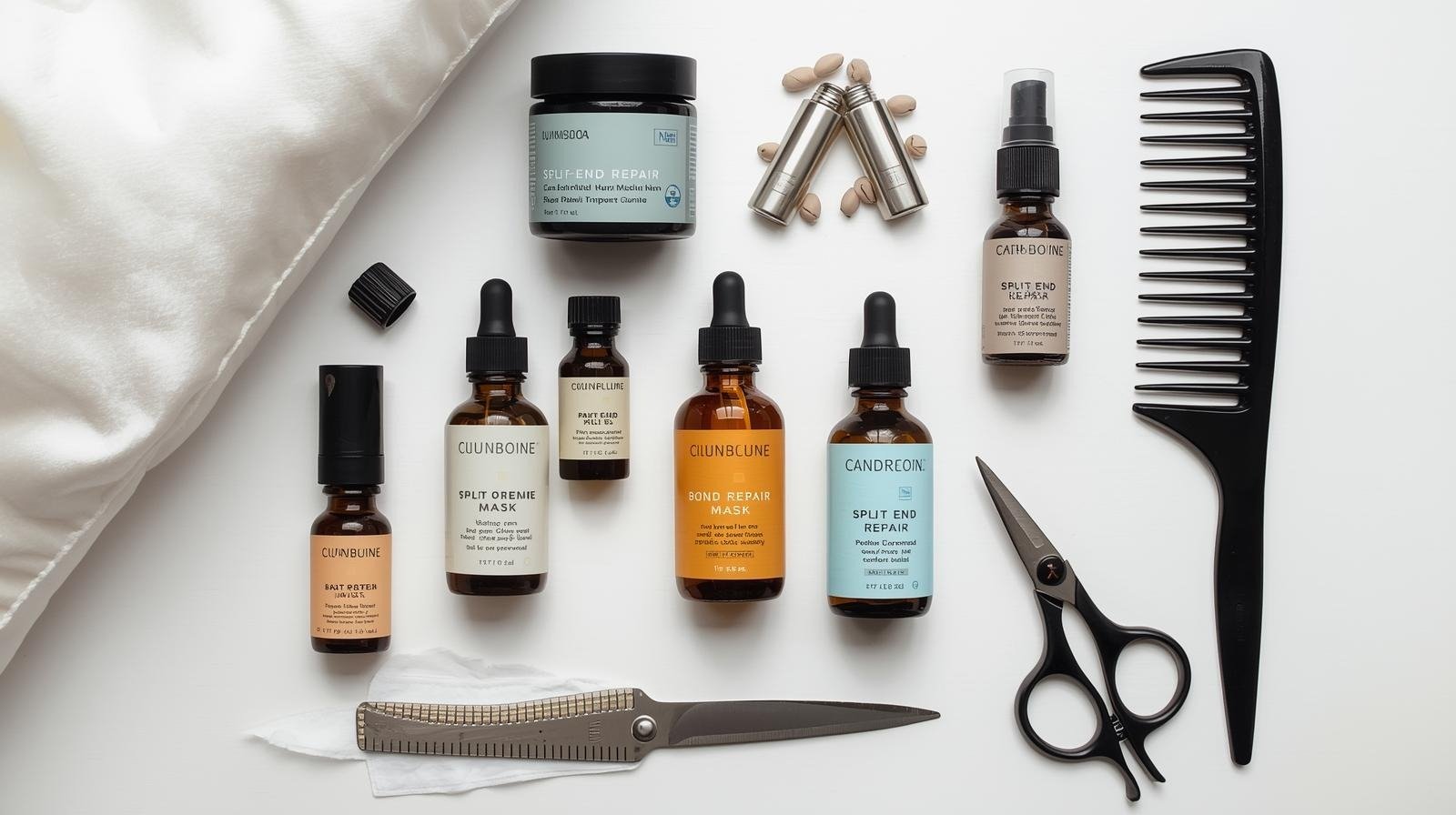
Before getting into the fixes, it helps to understand what is actually causing the problem. Split ends happen when the protective outer layer of the hair shaft — the cuticle — breaks down and the inner layers separate. This happens from heat damage, friction from brushing, chemical processing, UV exposure, over-washing, and simply the age of the hair at the ends. The ends of your hair are the oldest part and have been through the most wear. A proper split ends repair approach addresses both the damage that already exists and the daily habits that keep creating new damage. Fix both and your hair care routine starts producing real results.
8 Split Ends Repair Fixes That Actually Work
1. Micro-Trim Every 8 to 10 Weeks
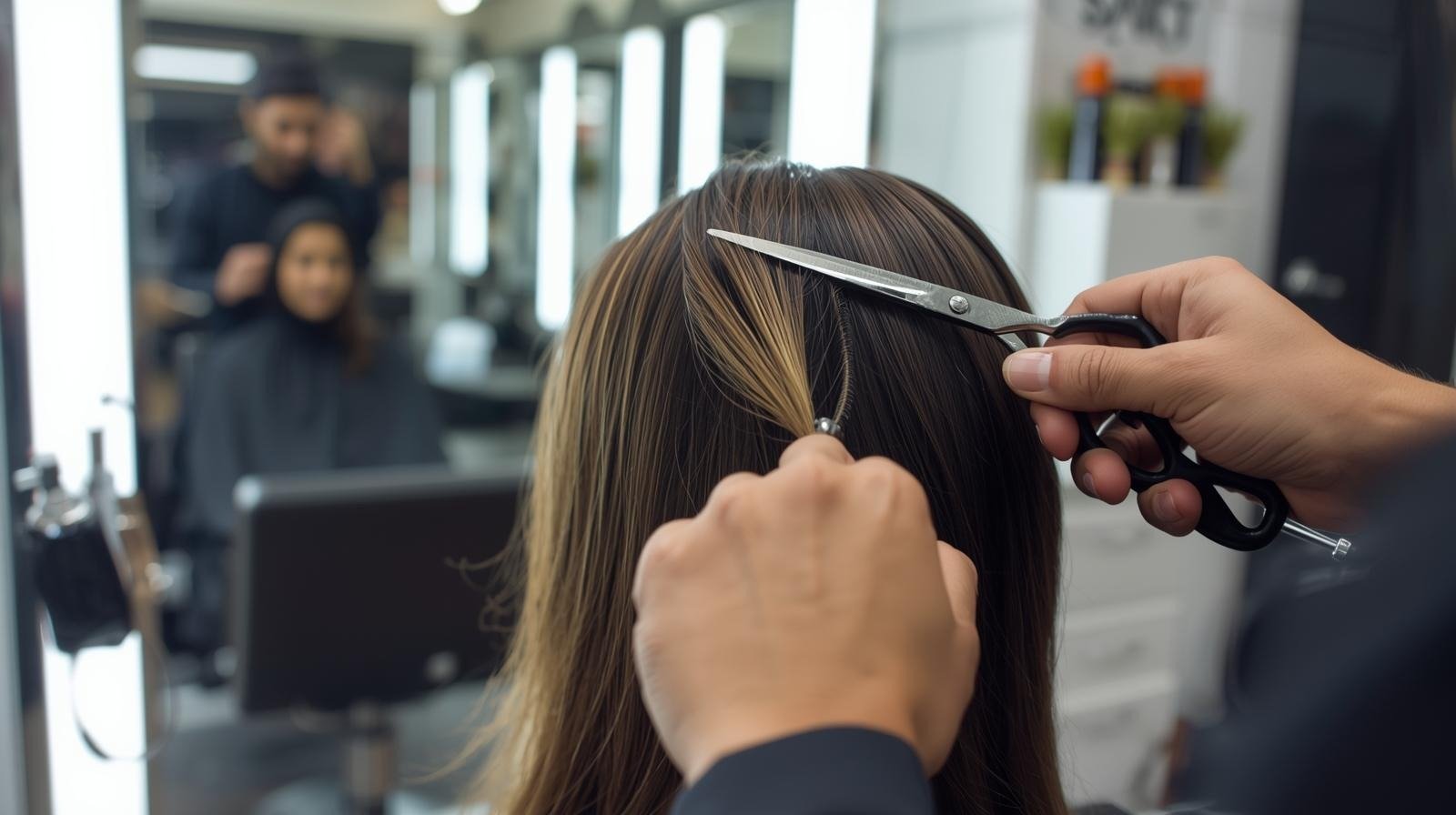
The most effective split ends repair method is the one everyone keeps avoiding — a regular trim. Not a dramatic cut. A micro-trim that removes just the split portion of the hair every 8 to 10 weeks prevents the split from traveling up the shaft and turning a small damage point into major breakage. Waiting until splits are visible and severe means losing significantly more length when you finally do cut. Consistent small trims actually grow hair longer faster because you are removing damage before it compounds. This is the single most important hair care tip for growth that stylists consistently give — and the one most often ignored.
2. A Weekly Protein Treatment
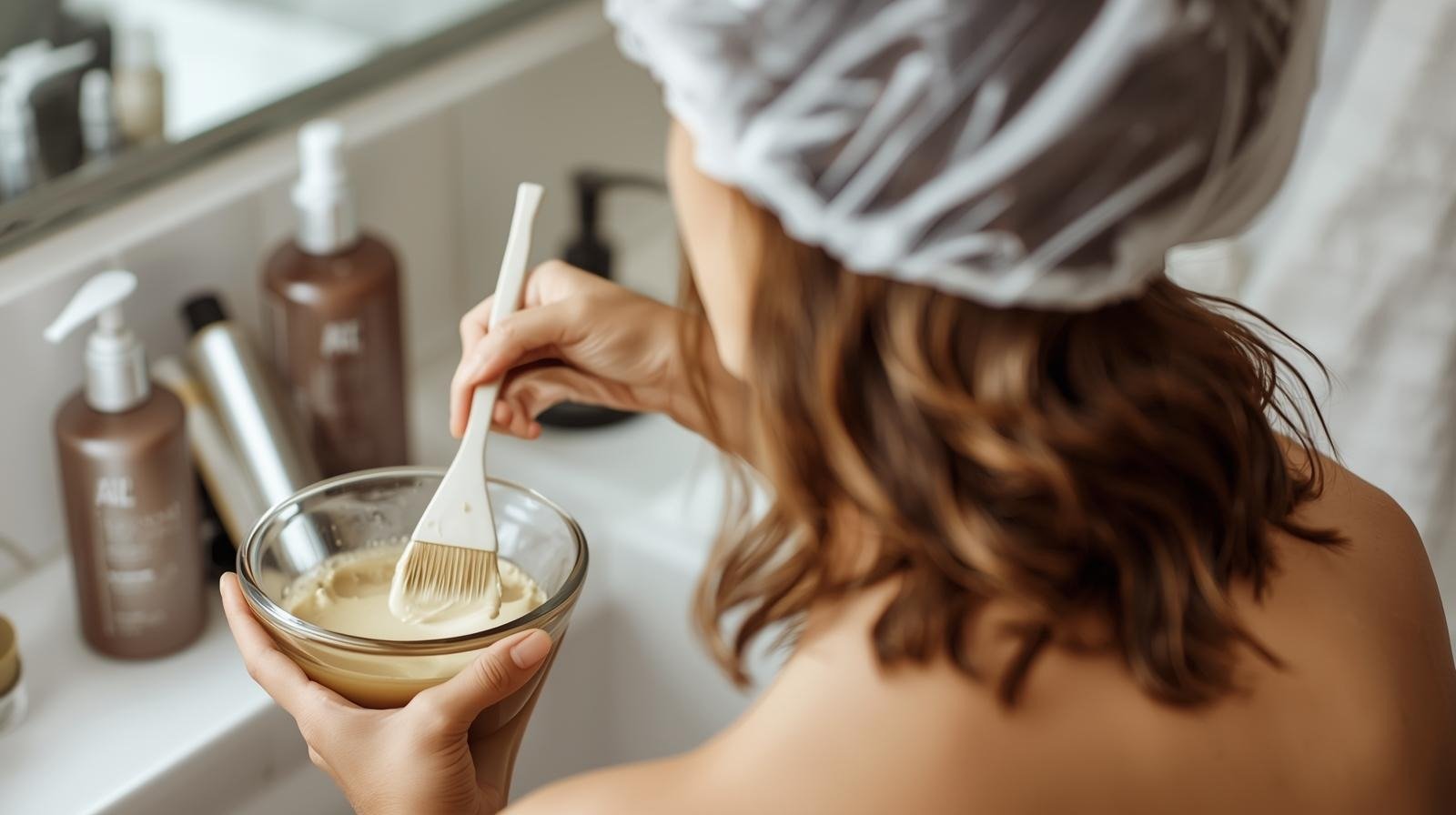
Hair is made of keratin — a protein — and split ends form when that protein structure breaks down. A weekly protein treatment rebuilds the structural bonds in the hair shaft, temporarily sealing splits and significantly strengthening the ends against future damage. Look for treatments containing hydrolyzed keratin, wheat protein, or silk protein. Apply from mid-length to ends after shampooing, leave on for 10 to 20 minutes, and rinse thoroughly. Adding a protein treatment to your weekly hair care routine is one of the most impactful hair care tips 2026 colorists and stylists are recommending for damaged ends — it delivers visible results within two to three uses.
3. Switch to a Silk or Satin Pillowcase

Cotton pillowcases create friction against the hair all night long. That friction roughens the cuticle, tangles the ends, and directly contributes to split ends forming on hair that was otherwise healthy. A silk or satin pillowcase reduces friction dramatically — hair glides across the surface instead of catching and rubbing against it. This is one of the simplest hair care tips that makes a measurable difference to end health within weeks of switching. It is also a popular hair care aesthetic upgrade that appears constantly on Pinterest hair care vision boards because it looks as good as it works.
4. Apply a Leave-In Oil to Dry Ends Every Night

Dry ends are split ends waiting to happen. Applying a small amount of a nourishing oil — argan oil, sweet almond oil, or jojoba oil — to the ends of dry hair every night as the last step of your hair care routine daily creates a protective barrier that locks in moisture, prevents environmental damage, and keeps the cuticle sealed. Use a tiny amount — less than you think you need. Too much makes the hair look greasy. Enough makes the ends visibly smoother and less prone to splitting within one to two weeks. This is one of the most consistent hair care products recommendations for split ends repair across every platform.
5. Stop Brushing Wet Hair
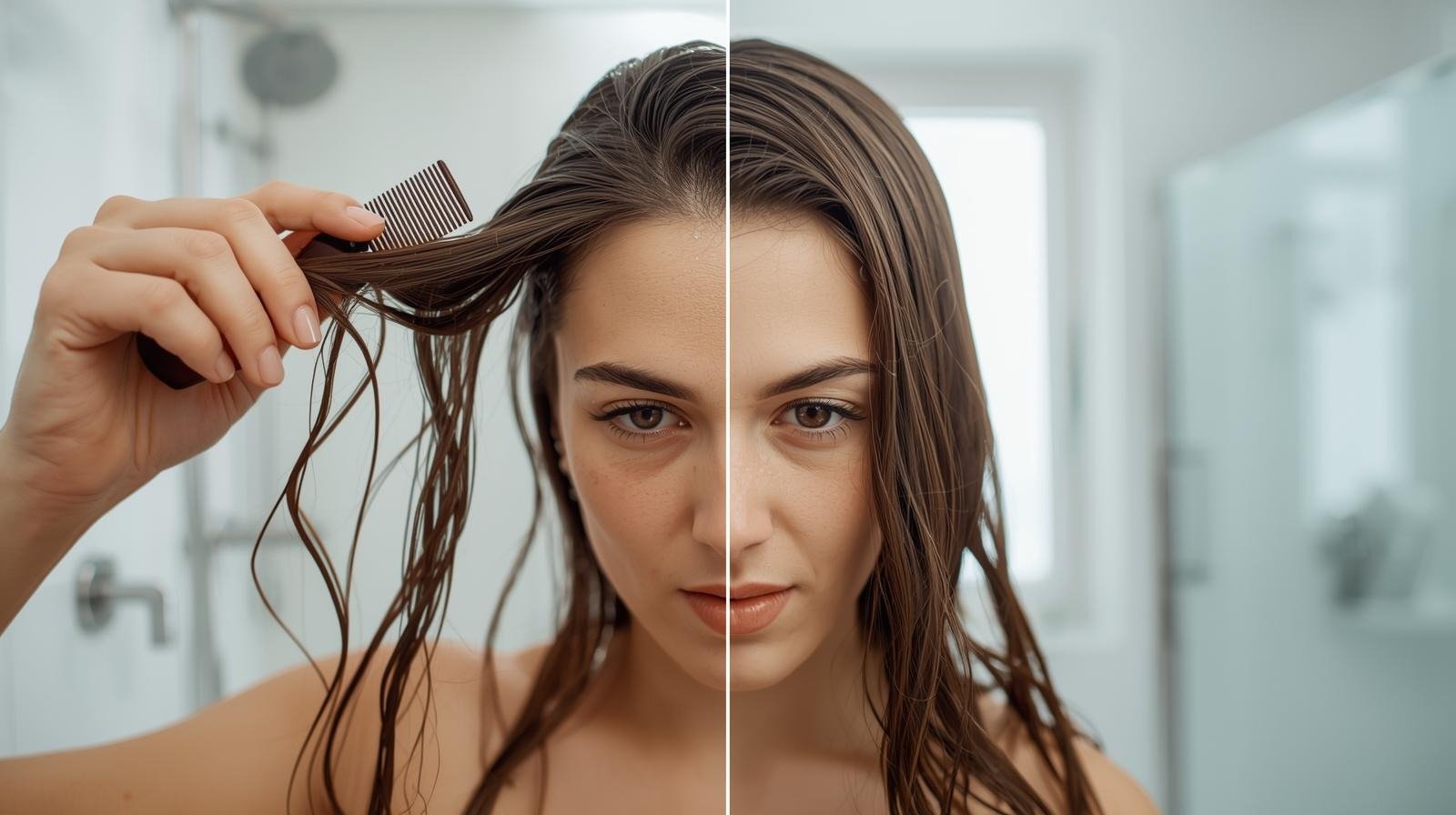
Wet hair is at its most fragile and most elastic state. Brushing it with a standard paddle brush stretches the hair beyond what the shaft can handle, snapping the ends and creating exactly the kind of damage that leads to split ends. This is one of the most common hair care mistakes that people make every single day without realizing the damage it causes. If you need to detangle wet hair, use a wide-tooth comb starting from the ends and working upward in small sections, or a detangling brush specifically designed for wet hair. Making this one change to your hair care routine immediately reduces the mechanical damage that creates split ends faster than almost anything else.
6. Turn Down the Heat on Your Styling Tools
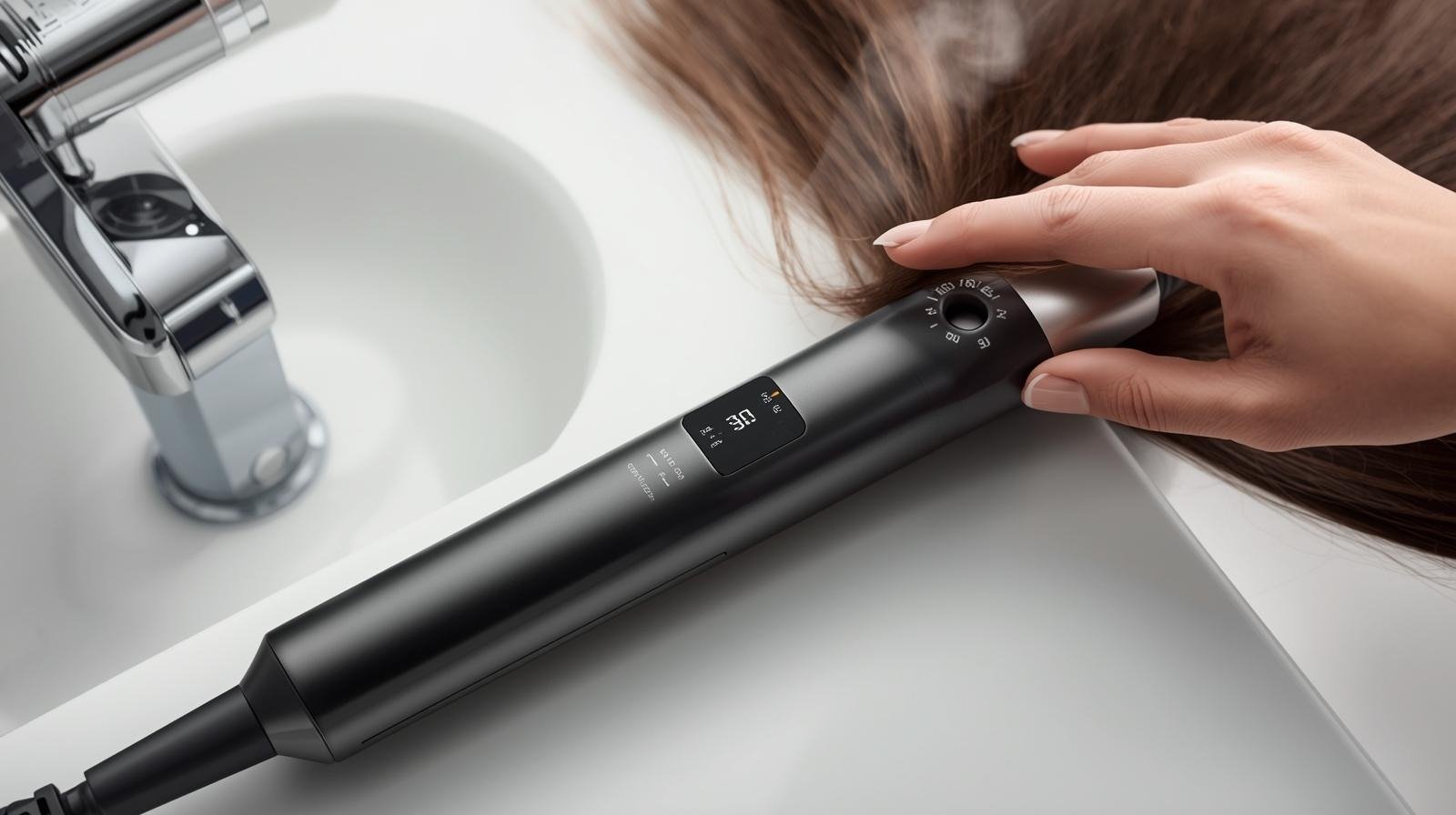
The most common heat damage that causes split ends comes not from using hot tools but from using them at too high a temperature. Most people default to the highest setting without knowing that the middle setting — typically 300 to 350 degrees Fahrenheit — is effective for styling and causes a fraction of the damage. Fine hair needs even less — 250 to 300 degrees is enough. High heat literally vaporizes moisture from inside the hair shaft, weakening the protein bonds and making the ends brittle and prone to splitting. Lowering your heat setting is one of the most effective preventive split ends repair strategies available and costs absolutely nothing to implement.
7. Deep Condition From Mid-Length to Ends Weekly
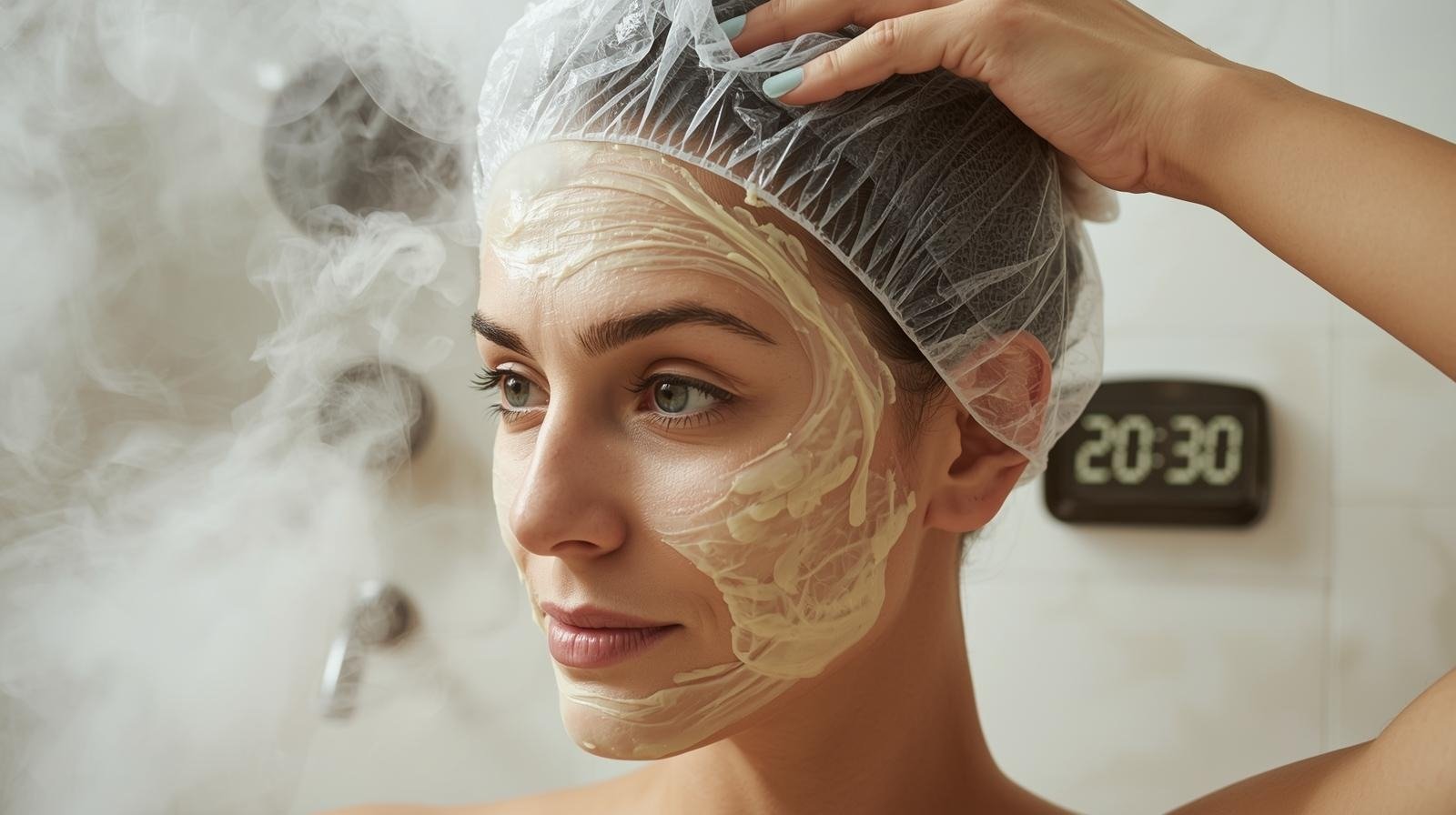
Regular conditioner works on the surface of the hair cuticle. A deep conditioning mask penetrates deeper into the cortex to restore moisture, flexibility, and strength to the inner layers of the hair where structural damage accumulates. For split ends repair and prevention, a weekly deep conditioning treatment focused on the mid-lengths and ends — not the roots — is one of the most recommended hair care tips for growth because strong, hydrated hair grows longer without breaking at the ends before it reaches your length goals. Look for masks with ingredients like shea butter, avocado oil, or glycerin. Leave on for 20 to 30 minutes under a shower cap for maximum absorption.
8. Use a Bond-Repair Treatment in Your Routine
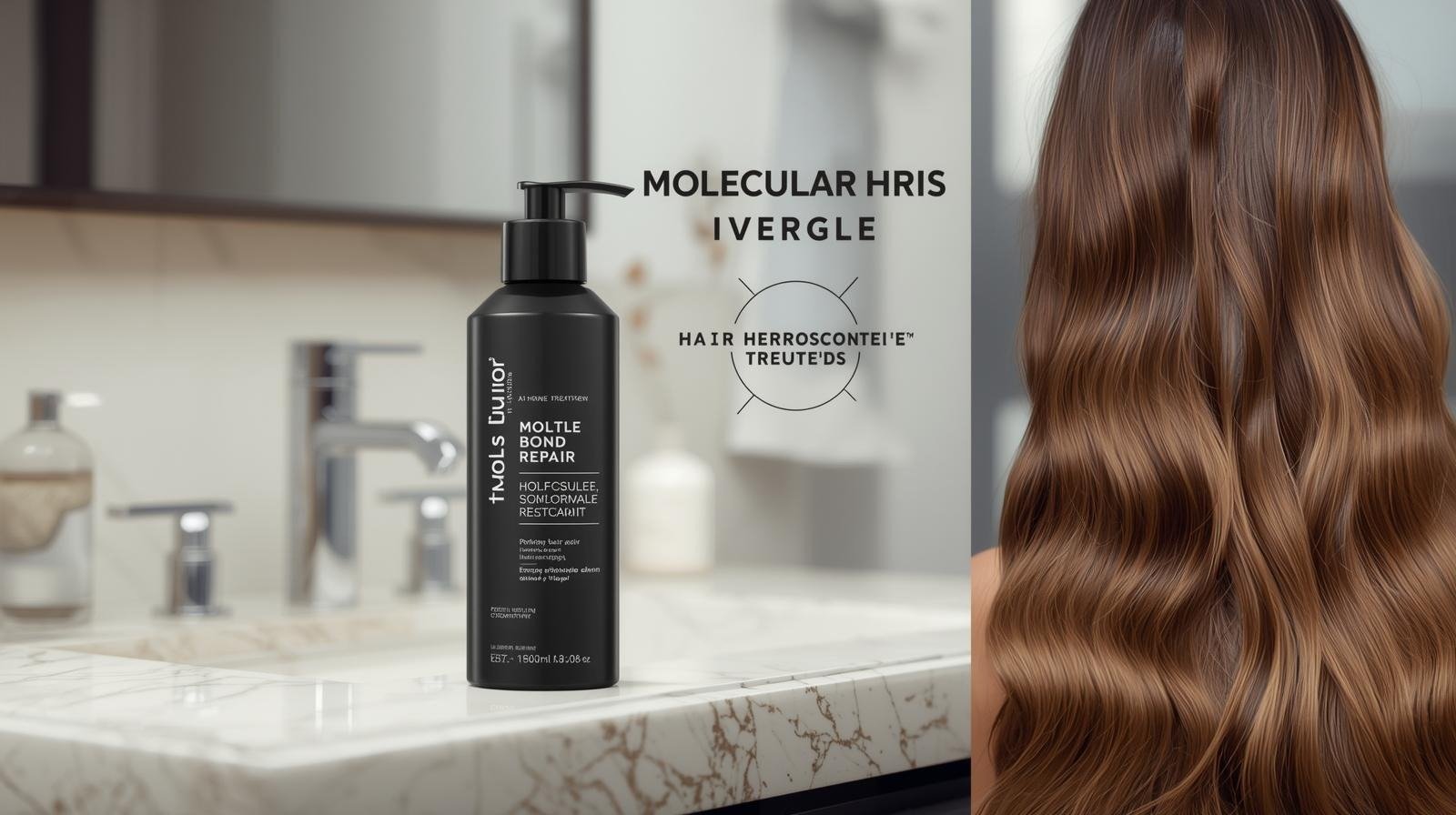
Bond repair treatments are among the most significant developments in hair care products in recent years and they have completely changed what is possible for split ends repair at home. These treatments work by rebuilding the broken disulfide bonds inside the hair shaft — the same bonds that break down from bleaching, heat, and chemical processing. Unlike surface conditioners that coat the outside of the hair, bond repair treatments work structurally from within. Used once or twice per week, they restore strength and elasticity to ends that feel brittle and weak. They are the closest thing to a genuine split ends repair product rather than just a split ends mask product, and they consistently top hair care aesthetic routines for their visible results.
The Daily Hair Care Routine That Prevents Split Ends From Forming
Split ends repair works best when paired with daily habits that stop new damage from forming. Build these into your hair care routine daily and your ends will stay healthier between trims:
- Morning: Apply heat protectant before any hot tools, use lowest effective heat setting
- During the day: Tie hair loosely — tight elastics and ponytail bands create breakage at the same point every day
- After washing: Gently squeeze water out with a microfiber towel instead of rubbing with a regular towel
- Evening: Apply a small amount of oil to ends, sleep on a silk or satin pillowcase
- Weekly: Protein treatment or deep conditioning mask on mid-lengths and ends
- Every 8 to 10 weeks: Micro-trim to remove existing splits before they travel further up the shaft
Can You Actually Repair Split Ends Without Cutting?
This is the most common question in the split ends repair conversation and the answer is partially. No product can permanently fuse a split end back together — the structural damage at a true split is irreversible without cutting. What bond repair treatments, protein treatments, and deep conditioning can do is temporarily seal the appearance of splits, prevent splits from traveling further up the shaft, and significantly strengthen the ends against new splitting. Used consistently, these treatments extend the time between necessary trims and keep the ends looking and feeling healthier. But the trim — even a small one — will always be the most effective split ends repair tool available. Think of the other seven fixes as the system that makes your haircut last longer and your ends stay healthier between them.
If this helped you understand what your ends actually need, save this post to your Pinterest hair care board right now. This is exactly the kind of hair care routine post worth keeping — for yourself and for anyone in your life who keeps complaining that their hair will not grow. The right split ends repair approach genuinely changes your hair care growth journey. Pin it, share it, and start tonight.
