

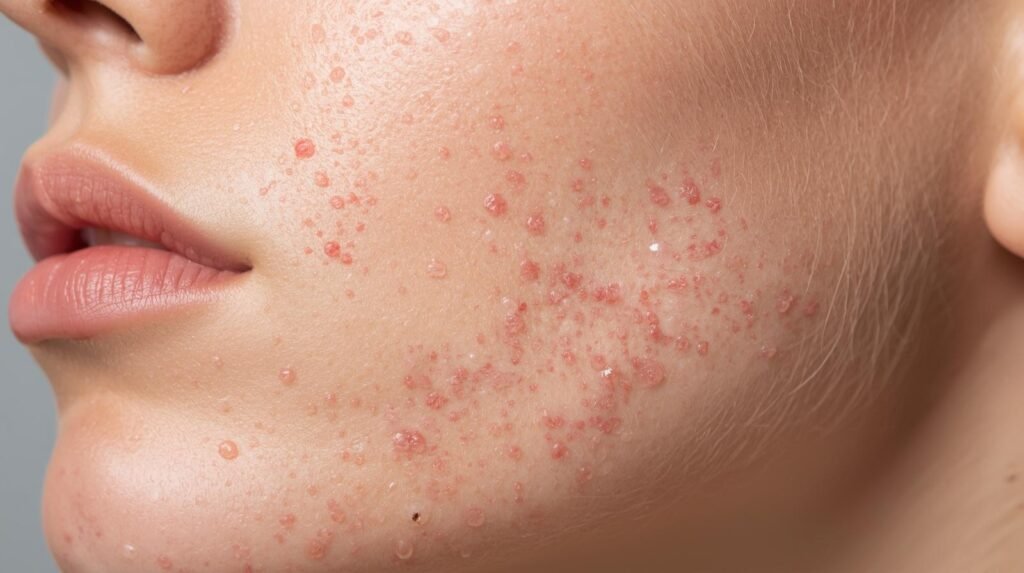
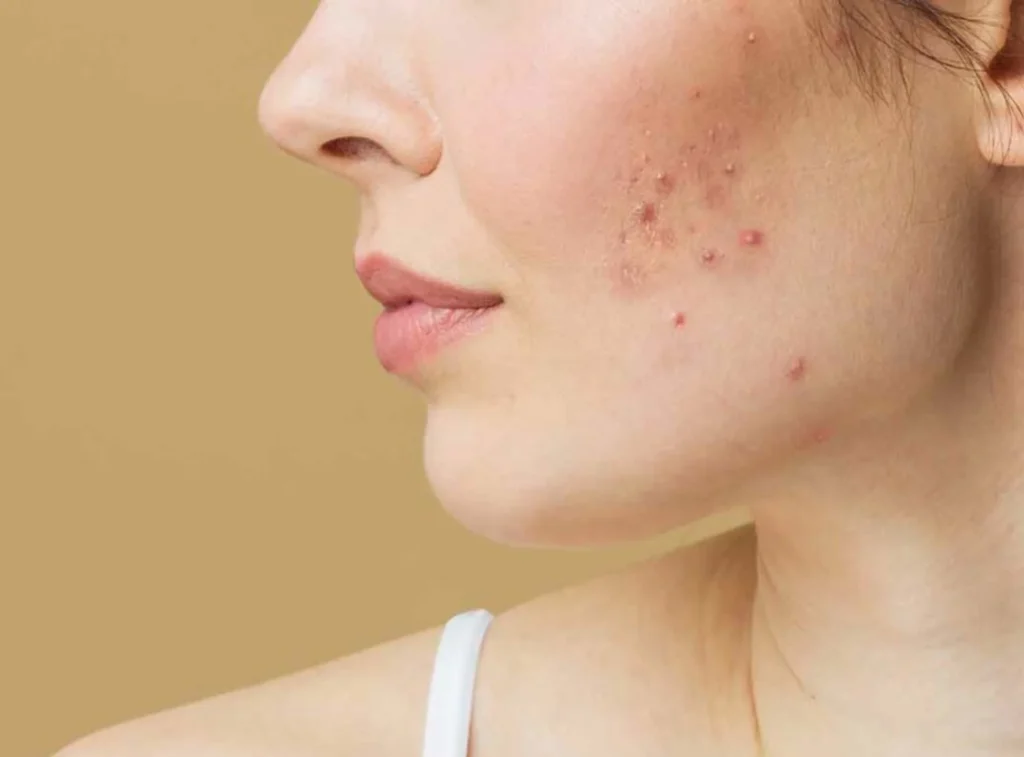
If your breakouts show up on your chin, jawline, and lower cheeks like clockwork every month, you already know you are dealing with hormonal acne. It is a different beast from regular acne and it does not respond the same way to standard treatments. I tried everything — harsh cleansers, strong actives, expensive spot treatments — and nothing worked until I built a hormonal acne skin care routine that was specifically designed for what hormonal acne actually is and how it forms. Within 30 days my skin was noticeably clearer. This is exactly what I did and why it worked.
What Makes Hormonal Acne Different
Hormonal acne is driven by fluctuations in androgens — hormones like testosterone — that spike before and during your period, during ovulation, under high stress, and sometimes from conditions like PCOS. These hormone spikes signal your sebaceous glands to produce more oil, which combines with dead skin cells and bacteria to form cysts and deep, painful pimples in the lower face zone.
Standard acne treatments that focus purely on bacteria and surface-level clearing miss the root cause entirely. That is why the typical drugstore acne wash that worked for teenage breakouts does almost nothing for a 25-year-old dealing with deep jawline cysts. A proper hormonal acne skin care routine addresses oil regulation, inflammation, barrier health, and — if needed — hormonal support from a dermatologist or doctor.
The Hormonal Acne Skin Care Routine That Changed Everything
Step 1: A Gentle, Low-pH Cleanser — Morning and Night
The first change I made was throwing out my foaming acne cleanser that left my face feeling tight and squeaky. That tight feeling is your skin barrier breaking down, not your skin getting clean. A damaged barrier makes hormonal acne worse — it increases inflammation and reduces your skin’s ability to regulate oil properly.
I switched to a gentle, non-stripping cleanser with a low pH around 5 to 6. This keeps your skin’s acid mantle intact, which is the first line of defense against bacteria and inflammation. Cleanse morning and night. No more, no less. Over-cleansing is one of the most common mistakes in any hormonal acne skin care routine and it directly worsens the oil-stripping cycle that makes hormonal skin produce more sebum.
Step 2: Niacinamide Serum After Cleansing
Niacinamide — vitamin B3 — is one of the most important ingredients in a hormonal acne skin care routine and it is not discussed nearly enough. Here is what it does that matters specifically for hormonal acne:
- Regulates sebum production, which directly addresses the hormone-driven oil surge
- Reduces redness and inflammation around active breakouts
- Strengthens the skin barrier so skin becomes more resilient over time
- Fades post-acne dark marks faster by inhibiting melanin transfer
- Works well on sensitive skin without causing irritation or purging
Apply a 5% to 10% niacinamide serum immediately after cleansing on damp skin, morning and evening. Give it 60 seconds to absorb before the next step. This single product made a visible difference in my oil levels within two weeks of consistent use.
Step 3: Lightweight, Non-Comedogenic Moisturizer
This is the step most people with oily, acne-prone skin skip and it is exactly the step they need most. When skin is dehydrated — which stripping cleansers and harsh actives cause — it produces more oil to compensate. This is the cycle that makes hormonal acne worse, not better.
A lightweight, gel-based or water-based moisturizer with ingredients like hyaluronic acid, glycerin, and ceramides gives the skin the hydration it needs without clogging pores. Your skin stops the overcompensation oil production and begins to balance itself. Moisturizer is non-negotiable in a hormonal acne skin care routine. Skip it and you are working against yourself.
Step 4: SPF 30 or Higher Every Single Morning
Hormonal acne leaves dark marks — post-inflammatory hyperpigmentation — that UV exposure makes significantly darker and longer-lasting. Daily sunscreen is not optional in any skin care routine for glowing skin and it is especially important when you are dealing with active acne and the marks it leaves behind.
Use a physical sunscreen with zinc oxide if chemical sunscreens break you out. Zinc oxide is also mildly anti-inflammatory and antibacterial, which is a helpful bonus for acne-prone skin. Apply it as the last step in your morning routine before makeup. Every single day.
Step 5: Salicylic Acid Toner — Two to Three Evenings Per Week
Salicylic acid is a beta hydroxy acid that is oil-soluble, which means it can penetrate into the pore lining and clear out the sebum and dead cell buildup that causes hormonal breakouts. This makes it uniquely suited to hormonal acne compared to AHAs, which only work on the skin surface.
Do not use it every night. Two to three evenings per week is enough to keep pores clear without disrupting your barrier. Apply it after cleansing and before your niacinamide serum on those evenings. On the nights you do not use salicylic acid, go straight to your serum. Consistency over time matters far more than aggressive nightly application.
Step 6: Retinol Two Nights Per Week — Added at Week Three
I did not start retinol in the first two weeks of this routine. The first two weeks were about repairing my barrier and calming inflammation. Retinol on a compromised or inflamed skin barrier causes severe irritation.
Once my skin had settled, I introduced a low-strength retinol — 0.025% to start — two nights per week after cleansing. Retinol speeds up cell turnover, which brings clogged pores to the surface faster, reduces the size of sebaceous glands over time, and is one of the few ingredients proven to prevent new comedones from forming. It is the long-game ingredient in this hormonal acne skin care routine and the results compound significantly over months of consistent use.
Step 7: Spot Treatment for Active Breakouts Only
For active pimples, I use a targeted benzoyl peroxide spot treatment — 2.5% concentration — applied only on individual spots before moisturizer at night. Benzoyl peroxide kills acne-causing bacteria directly and remains one of the most effective spot treatments available. The key word is targeted. Applying it broadly across the face dries everything out and damages the barrier. Used on active spots only, it reduces them quickly without causing surrounding dryness.
For deep, painful hormonal cysts specifically, a hydrocolloid patch worn overnight draws out fluid, reduces the size, and protects the area from being touched or infected further. I used one on every cyst that appeared and they consistently resolved faster with the patch than without.
The Weekly Routine at a Glance

- Every morning: Gentle cleanser, niacinamide serum, moisturizer, SPF
- Every evening: Gentle cleanser, niacinamide serum, moisturizer
- Two to three evenings per week: Add salicylic acid toner between cleanser and serum
- Two evenings per week from week three: Add retinol after serum, before moisturizer
- As needed: Benzoyl peroxide spot treatment or hydrocolloid patch on active pimples
What to Avoid in a Hormonal Acne Skin Care Routine
Knowing what to cut out matters just as much as knowing what to add. These are the things I removed from my routine that were quietly making everything worse:
- Harsh foaming cleansers — strip the barrier and increase oil production
- Alcohol-based toners — dry and irritate, worsening inflammation
- Layering multiple actives at once — causes barrier breakdown and extends healing time
- Skipping moisturizer — triggers the compensatory oil production cycle
- Physical scrubs on active breakouts — spreads bacteria and worsens inflammation
- Picking or popping hormonal cysts — pushes infection deeper and guarantees scarring
What Happens Beyond the Routine
A hormonal acne skin care routine handles the surface manifestation of a hormonal issue. It makes a significant difference — my 30-day results were real and consistent. But for people dealing with severe or deeply hormonal acne — particularly those with PCOS, irregular cycles, or breakouts that do not respond to topical treatment after three months — speaking with a dermatologist or gynecologist about hormonal support is worth pursuing. Prescription options like spironolactone, low-dose birth control, or prescription-strength retinoids address the hormonal root cause in ways topical routines cannot fully replicate.
Diet also plays a supporting role. High-glycemic foods spike insulin which can increase androgen levels. Dairy has been linked in several studies to increased acne severity. These are not absolute triggers for everyone, but if you have cleaned up your topical routine and are still breaking out cyclically, reducing processed sugar and dairy for 30 days is worth observing your skin’s response.
Why This Hormonal Acne Skin Care Routine Works
The routine works because it addresses the actual biology of hormonal acne rather than just attacking breakouts aggressively. It calms inflammation, regulates oil without stripping, keeps the barrier intact so skin can repair itself, and introduces proven actives gradually and in the right combinations. Nothing in this routine conflicts with anything else. Nothing is unnecessarily harsh. And every step has a specific, evidence-based reason for being there.
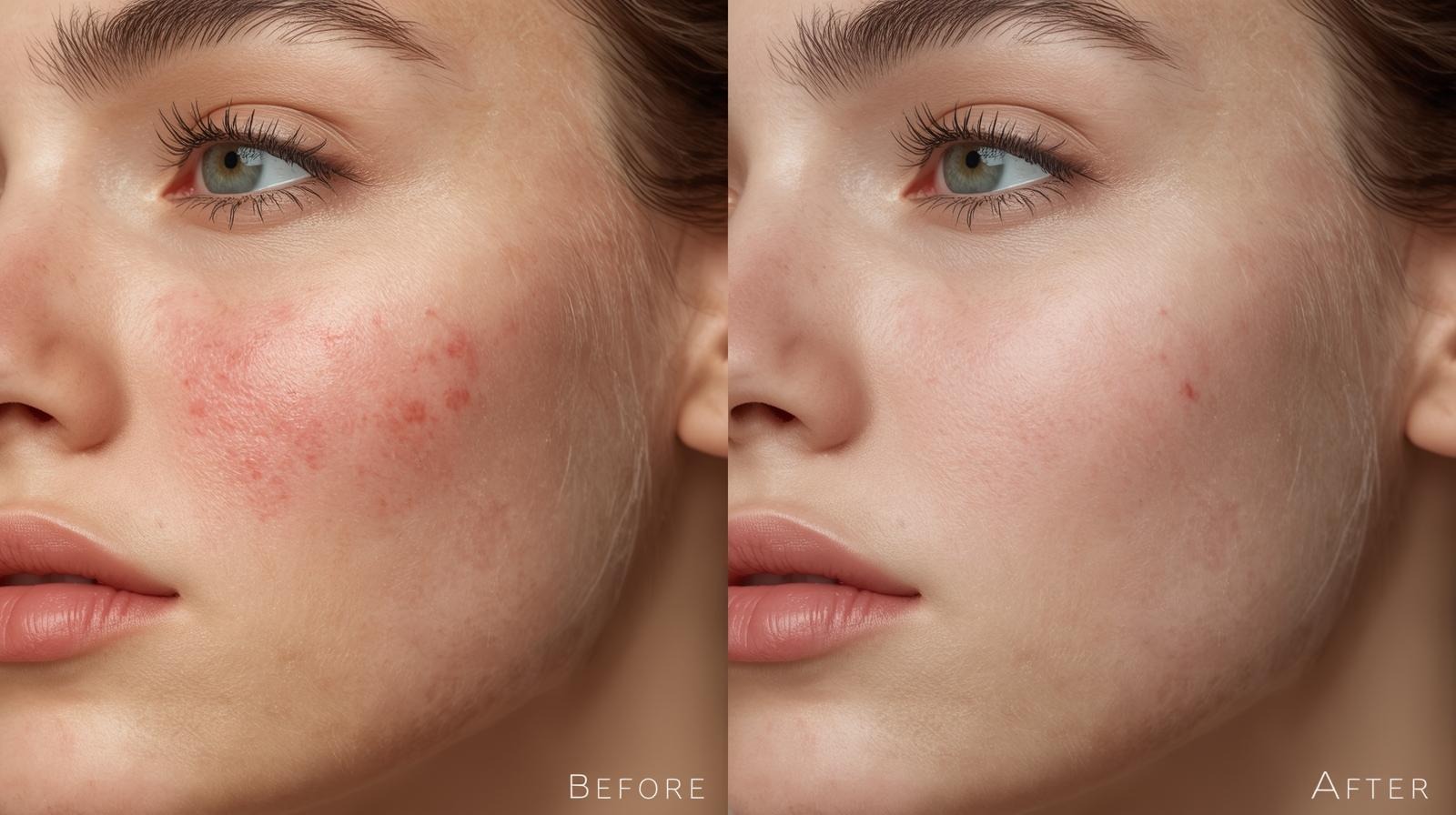
The skin care routine for glowing skin that results from clearing hormonal acne is not complicated. It is consistent, ingredient-aware, and patient. Give this routine a full 30 days without changing anything in the middle — your skin needs time to respond. Track your cycle alongside your skin’s behavior. You will start to see the patterns and the improvements at the same time.
If this hormonal acne skin care routine helped you understand what your skin actually needs, save it to your Pinterest skincare board right now. This is the kind of post that is most useful when you can find it again — before your next cycle, when a new cyst appears, or when you want to show a friend who is struggling with the same thing. Pin it, share it, and help someone else stop wasting money on routines that were never built for hormonal skin.
