


Most people lose 50 to 100 hairs a day — that is completely normal. But if you are seeing clumps in the shower, a pillow full of hair every morning, or a thinner ponytail than six months ago, something is off. The good news: most hair fall causes are fixable once you know what is actually driving the problem. Here are the 7 most common reasons hair falls out — and exactly what to do about each one.
The 7 Real Hair Fall Causes (And What to Do About Each)
1. Nutritional Deficiency — The Silent Cause Most People Ignore
Hair fall vitamin deficiency is one of the most overlooked causes. Your hair follicles need specific nutrients to produce strong strands. When those nutrients drop, hair enters a shedding phase early.
The biggest culprits: low iron, low ferritin (stored iron), vitamin D deficiency, and biotin. Zinc and B12 also play a direct role in hair growth cycles.
- Solution: Get a blood panel done. Do not guess. Supplementing iron when you do not need it causes harm
- If deficiency is confirmed, address it through diet first — red meat, leafy greens, eggs, and fatty fish
- For targeted support, look for hair growth vitamins that combine biotin, vitamin D, zinc, and iron in one formula — they work best when a deficiency is the actual cause.
2. Chronic Stress — Your Body Sacrifices Hair First

Under high stress, your body redirects resources away from non-essential functions. Hair growth is one of them. This is called telogen effluvium — stress pushes large numbers of hairs into the shedding phase at the same time.
The tricky part: the shedding usually starts 2 to 3 months after the stressful event. So you might lose hair from a stressful period that already ended — and not connect the two.
- Solution: Address the stress source first. Sleep, exercise, and reduced caffeine all lower cortisol levels meaningfully
- Hair lost from telogen effluvium typically regrows on its own once the stressor is resolved — within 3 to 6 months
- Scalp massage (5 minutes daily) has real evidence behind it for stimulating follicle activity during recovery
3. Hormonal Changes — The Cause Behind Most Women’s Hair Thinning
Hormones regulate your hair growth cycle directly. Postpartum shedding, thyroid disorders, PCOS, and menopause are all major hormonal hair fall causes — especially in women. For men, DHT (a testosterone derivative) is responsible for most pattern hair loss and hair thinning at the temples and crown.
- Solution for women: If you suspect hormonal causes, get thyroid (TSH, T3, T4) and hormone panels checked
- Solution for men: Hair fall in men linked to DHT responds well to minoxidil (topical) and finasteride (oral, prescription).
- Postpartum shedding is almost always temporary — it typically resolves by month 6 to 12 after delivery
4. Harsh Hair Care Habits — You Might Be Causing It Yourself
Tight hairstyles, aggressive brushing, heat without protection, and overwashing all weaken hair at the shaft and at the scalp. This is one of the most common — and most preventable — hair fall causes.
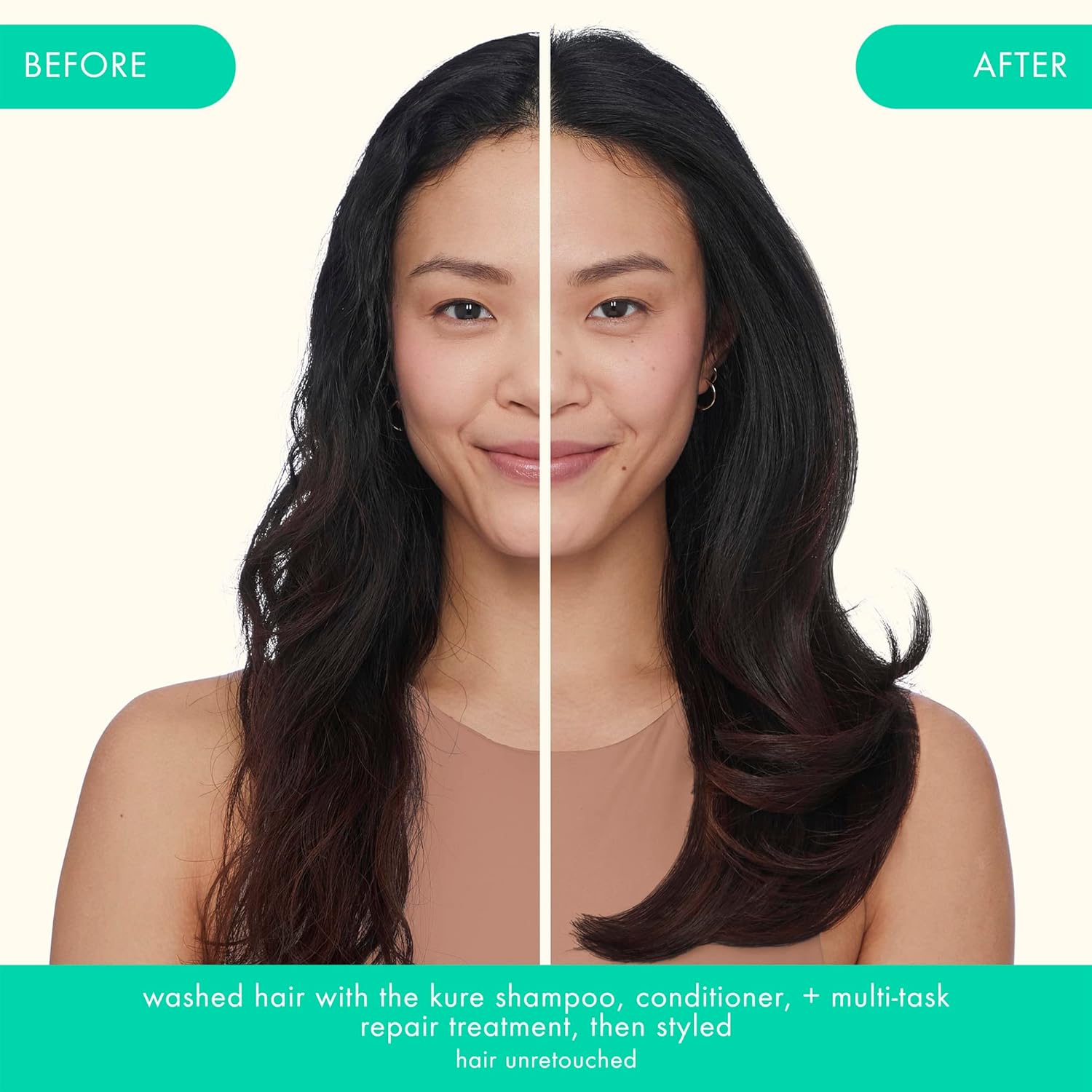
Your shampoo matters more than most people think. Sulfate-heavy formulas strip the scalp’s natural oils, causing dryness, irritation, and follicle stress. Switching to a hair strengthening shampoo with ingredients like keratin, biotin, or caffeine can reduce breakage and improve scalp health noticeably within 4 to 6 weeks.
- Wash hair every 2–3 days, not daily (unless you have an oily scalp condition)
- Use a wide-tooth comb on wet hair — never a brush
- Always use heat protectant before any heat tool
- Avoid tight ponytails or buns daily — traction alopecia is real and can cause permanent follicle damage over time
Learn more about building a complete hair style design
5. Scalp Issues — When the Root of the Problem Is Literally the Root
Dandruff, seborrheic dermatitis, scalp psoriasis, and fungal infections all inflame the follicle environment. Inflamed follicles do not grow hair efficiently — and over time, chronic inflammation can cause permanent follicle miniaturization.
- Solution: If you see flaking, redness, or persistent itching, treat the scalp issue first — everything else is secondary
- Zinc pyrithione or ketoconazole shampoos work for dandruff and seborrheic dermatitis
- For psoriasis or persistent scalp conditions, see a dermatologist — do not self-treat for months without results
6. Poor Diet and Crash Dieting — Rapid Weight Loss Triggers Rapid Hair Loss
Crash dieting, very low calorie intake, or sudden protein restriction all signal your body to enter survival mode. Hair — being non-essential — is one of the first things that gets cut from the body’s resource list.
- Solution: Aim for at least 50–60g of protein daily from whole foods
- Avoid dramatic caloric restriction — slow, steady weight loss preserves hair cycles
- If you have recently crash-dieted and are now shedding heavily, give it 3 to 6 months after resuming a balanced diet — it will usually stabilize
7. Medications and Underlying Medical Conditions
Several medications list hair loss as a side effect — blood thinners, antidepressants, beta blockers, and chemotherapy drugs are the most well-known. Autoimmune conditions like alopecia areata cause patchy hair loss directly.
- Solution: If hair fall started after beginning a new medication, speak to your doctor — do not stop medication without guidance
- For alopecia areata, treatments like corticosteroid injections or JAK inhibitors (newer class) are available — see a dermatologist
Why Hair Falls Out More After a Shower — And What It Means
Hair fall after shower feels dramatic but is often misleading. When you do not brush your hair for hours, loose hairs stay tangled in the strands. The shower and the combing that follows releases all of them at once. You are not necessarily losing more — you are just seeing it all at the same time.
However, if you genuinely see dense clumps — not just a small cluster of loose strands — that warrants attention. Track how many hairs you lose per day by collecting them for 3 days in a row. More than 150 consistently is a real signal, not just a shower artifact.
What to Avoid — Myths That Waste Your Time and Money
- Biotin mega-doses without deficiency — if your biotin is already normal, taking more does nothing for hair and can interfere with thyroid lab results
- Oiling the scalp daily — if you have an oily scalp or dandruff, extra oil worsens the condition and inflames follicles
- Cutting hair to make it grow faster — cutting affects the ends, not the follicles. It has zero effect on hair fall rate
- Expensive shampoos as a standalone fix — shampoo helps with scalp health and breakage, but it cannot reverse hormonal or nutritional hair loss on its own
Realistic Timeline — How Long Until You See Results?
This is the part most guides skip. Here is what to expect depending on the cause:
- Nutritional deficiency: 3 to 6 months after levels normalize
- Stress-related shedding: 3 to 6 months after the stressor is resolved
- Hormonal (postpartum): 6 to 12 months after delivery
- Scalp issues resolved: Improvement in 4 to 8 weeks once treatment starts
- Hair care habit changes: Visible reduction in breakage in 4 to 6 weeks
- Minoxidil for pattern loss: 4 to 6 months minimum before judging effectiveness
Patience is not optional here. Hair growth cycles are slow. Most people give up right before the improvement would have shown.
When to See a Doctor — Do Not Wait Too Long
- You are losing more than 150 hairs daily for over 4 weeks
- You see bald patches or widening part lines
- Hair loss is sudden and unexplained
- The scalp is painful, itchy, or inflamed
- You have tried dietary and routine changes for 3+ months with no improvement
A dermatologist can run a trichoscopy (scalp analysis) and blood panel to identify the exact cause. Treating the wrong thing delays real results.
Frequently Asked Questions
Why does hair fall out more after a shower?
You are releasing hairs that already detached throughout the day. Water and combing free them all at once. It looks like a lot, but a small cluster of 10–15 strands is usually normal. Genuine concern starts when clumps exceed what fits loosely in your palm.
Can vitamins actually stop hair fall?
Only if a deficiency is the cause. Hair growth vitamins work well for people with confirmed low iron, vitamin D, or B12. If your levels are normal, supplementing will not make hair grow faster or reduce shedding — it just adds unnecessary cost and can skew lab results.
What is the best hair fall solution you can do at home?
Fix the basics first: eat enough protein, manage stress, switch to a sulfate-free hair strengthening shampoo, stop tight hairstyles, and get your blood work checked. These four changes alone resolve the majority of non-genetic hair fall cases.
How long does it take to see real results after fixing hair fall causes?
Minimum 3 months — usually 4 to 6. Hair grows roughly half an inch per month. You will not see regrowth overnight, but you should notice less shedding within 6 to 8 weeks of addressing the root cause correctly.
Final Takeaway
Most hair fall is fixable — but only if you identify the actual cause first. Do not throw expensive products at a problem you have not diagnosed. Start with the basics: blood work, diet, stress, and your hair care routine. Address what you find. Give it 3 to 6 months. For anything that does not respond, a dermatologist is always the right next step — not more supplements.
