

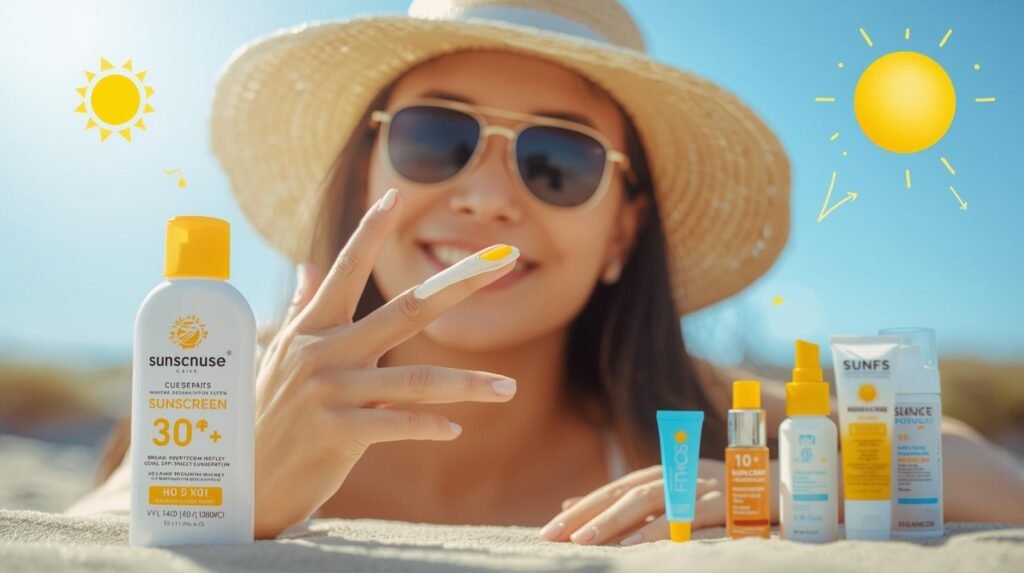
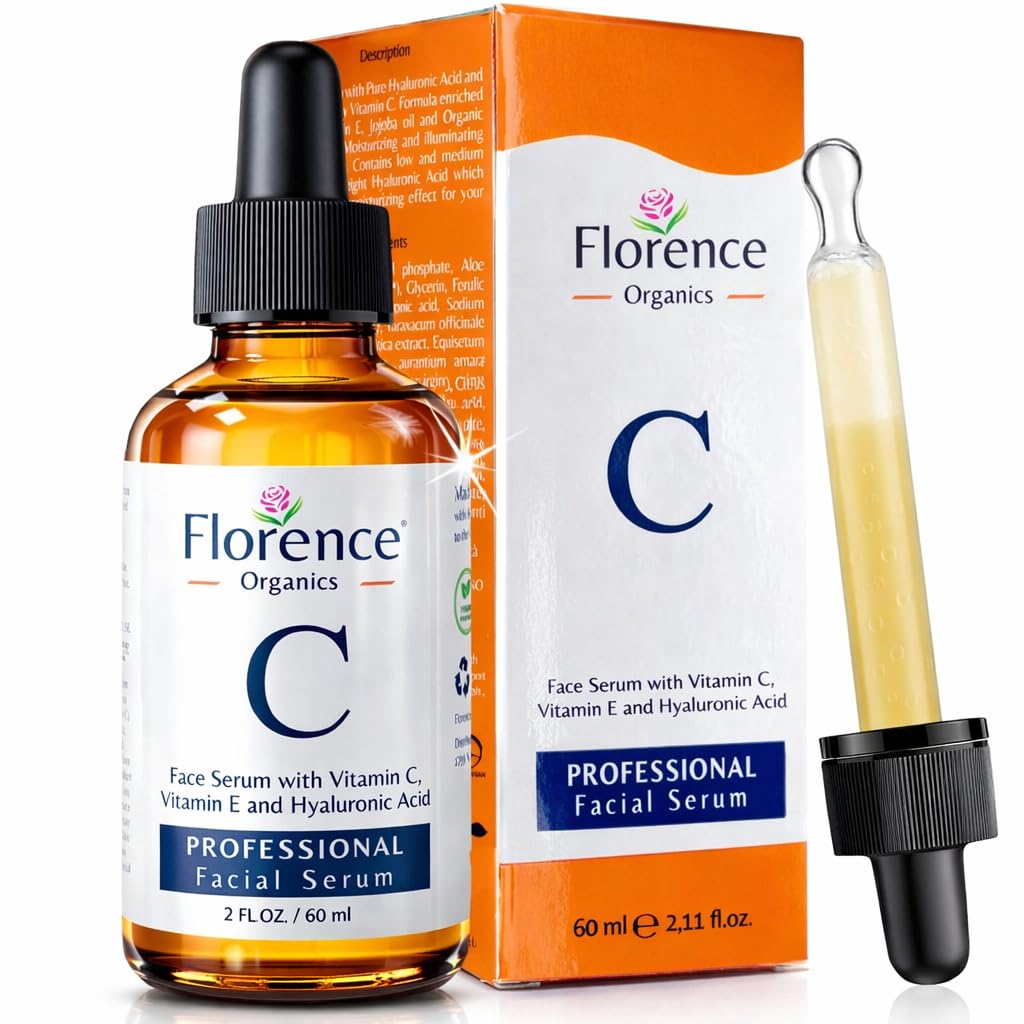
Most people own sunscreen but don’t use it correctly — and that gap between ownership and proper sunscreen use is where UV damage quietly accumulates. Following the right sunscreen safety tips is what separates genuine protection from a false sense of security. Before your sunscreen even goes on, pairing your routine with a Vitamin C Serum For Face – Anti Aging Face Serum with Vitamin C, Hyaluronic Acid can boost results significantly — vitamin C neutralizes free radicals generated by UV exposure that sunscreen alone doesn’t catch, while hyaluronic acid keeps the skin barrier hydrated and resilient. Together, they create a morning routine that defends against UV damage on two fronts.
Why Sunscreen Safety Tips Are Non-Negotiable
UV radiation is present every day — through clouds, glass, and all seasons. It causes sunburn, accelerates skin aging, triggers hyperpigmentation, and is the leading environmental cause of skin cancer. The damage is cumulative and largely invisible until years later, which is why consistent sunscreen protection tips matter more than occasional perfect application. SPF protection only works when you apply it correctly, in the right amount, and with the right habits. These 10 tips cover everything you need to know.
10 Sunscreen Safety Tips
Tip 1 — Choose Broad-Spectrum SPF 30 or Higher
Always choose a broad-spectrum sunscreen with at least SPF 30. Broad spectrum means protection against both UVA (aging, glass-penetrating) and UVB (burning, cancer-causing) rays. SPF 30 blocks ~97% of UVB rays and is the internationally recommended minimum for daily use. For outdoor activities or fair/sensitive skin, choose SPF 50+.
Tip 2 — Apply 15–20 Minutes Before Sun Exposure
Chemical sunscreens need time to absorb into the skin and activate — apply them at least 15–20 minutes before going outside. Mineral sunscreens (zinc oxide or titanium dioxide) work immediately on contact. Regardless of formula type, building early application into your morning routine ensures your SPF protection is active before you step out the door.
Tip 3 — Use the 3-Finger Rule for the Right Amount
Under-application is the single most common reason sunscreen underperforms. Most people use only 25–50% of the recommended dose — which means their effective SPF is a fraction of what’s on the label. The solution: use the 3-finger rule. Squeeze a continuous line of sunscreen across your index, middle, and ring fingers. That amount (approximately 2mg/cm²) is the correct dose for your face and neck. For the body, use about 30ml — a full shot glass.
Tip 4 — Don’t Skip These 5 Forgotten Areas
Cheeks and forehead get sunscreen. These areas often don’t — but they should:
- Ears (front and back)
- Back of the neck and hairline
- Tops of the feet
- Lips (use SPF lip balm)
- Scalp edges and parting
These spots are among the most common sites for sun-related skin damage and skin cancer — and they’re consistently missed. One of the simplest sunscreen safety tips is to slow down your application and work through a mental checklist every morning.
Tip 5 — Reapply Every 2 Hours Without Exception
One morning application does not protect you all day outdoors. Sunscreen degrades through UV exposure, sweat, and friction over time. Reapply every 2 hours during outdoor exposure, and immediately after swimming, heavy sweating, or towel drying. For reapplication over makeup, use a mineral SPF powder or SPF mist — both are far better than skipping reapplication entirely. This is one of the most impactful sunscreen protection tips that most people overlook.
Tip 6 — Choose a High-Performance Daily Facial Sunscreen
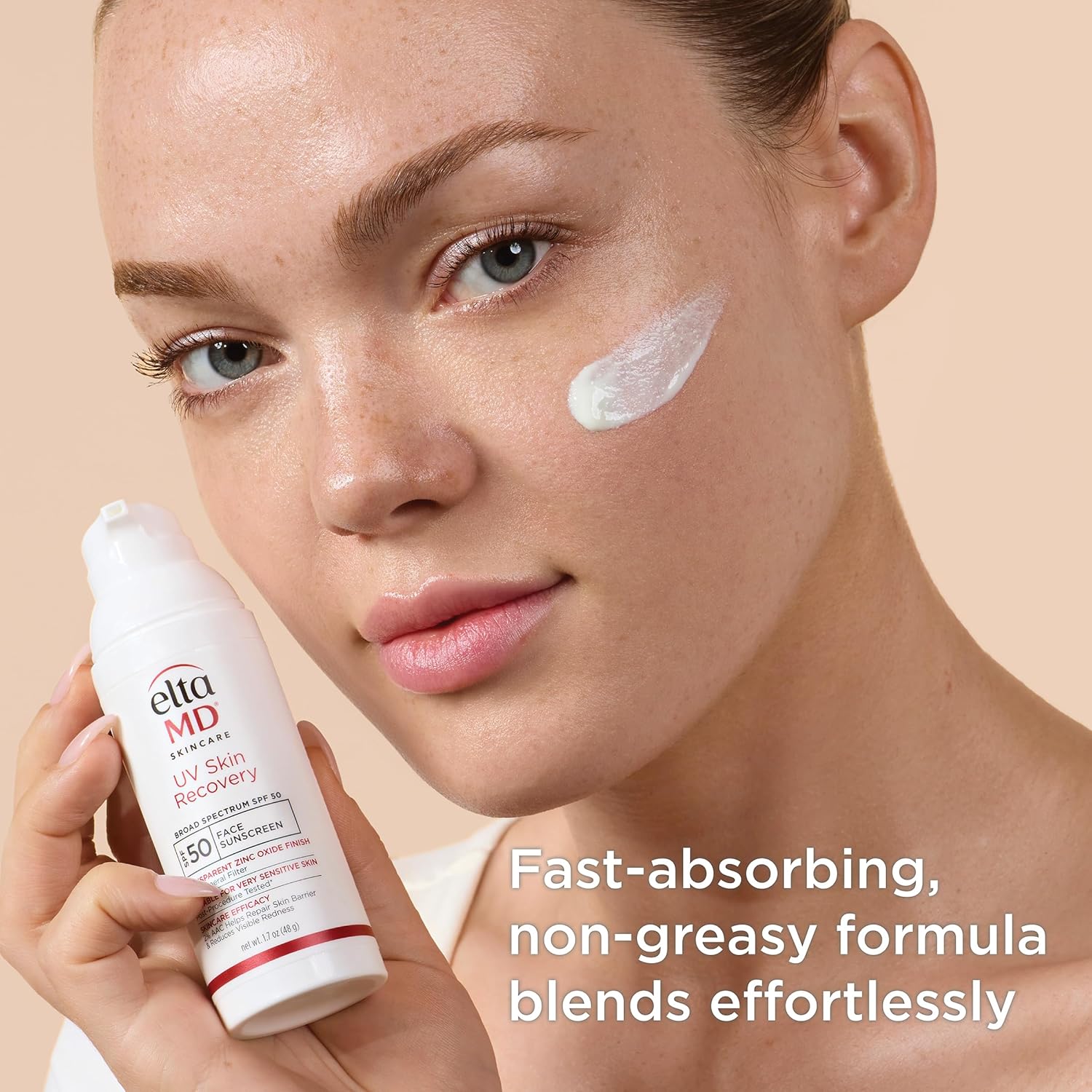
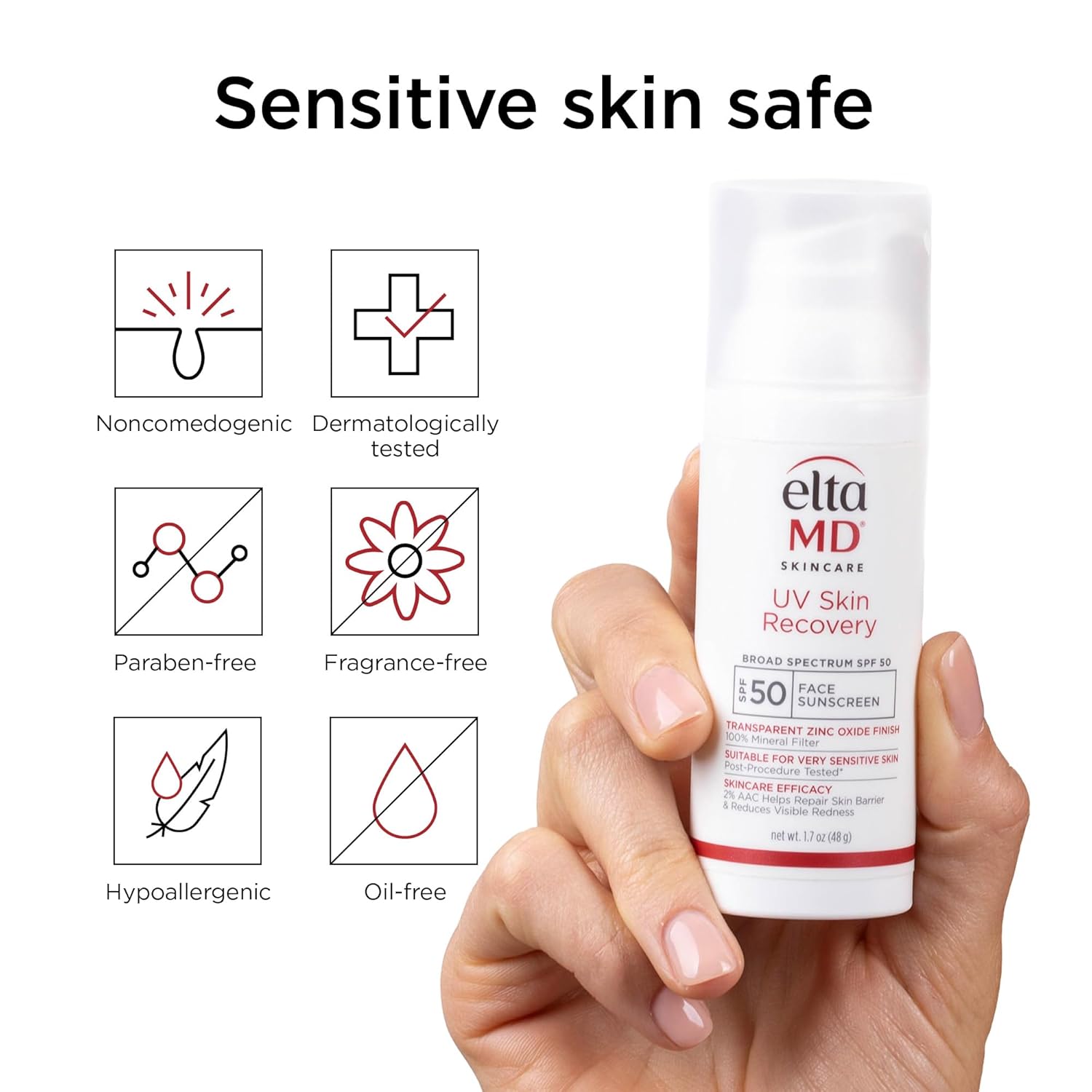
Your facial sunscreen does more daily work than any other skincare product — it should be formulated to match. Dermatologists often suggest EltaMD UV Restore Face Sunscreen SPF 40 for daily facial use because it combines broad-spectrum SPF 40 protection with restorative skincare actives that support the skin barrier, making it ideal for everyday wear. A high-quality facial sunscreen applied correctly is the foundation of all sunscreen safety tips — and when the formula feels good, you’re far more likely to use it consistently.
Tip 7 — Never Skip Sunscreen on Cloudy Days
Up to 80% of UV rays penetrate cloud cover. Many people receive their worst UV damage on overcast days precisely because the lack of visible sun creates a false sense of safety. UV radiation is not linked to temperature or brightness — cold, grey days still deliver UVA exposure. Daily sunscreen use, regardless of weather, is non-negotiable for preventing cumulative UV damage.
Tip 8 — Use Water-Resistant SPF for Outdoor Activities
Standard sunscreen is not designed for sustained water or sweat exposure. For swimming, sports, hiking, or any activity involving significant perspiration, choose a water-resistant formula — labeled either 40 minutes or 80 minutes of water resistance. Apply 20 minutes before activity and reapply according to the water-resistance rating on the label, or immediately after toweling off. Never wait for the full 2-hour mark during active water sports.
Tip 9 — Always Check Expiry Date Before Use
Sunscreen expires — typically within 1–3 years of manufacture. After expiry, active UV-filtering ingredients break down and the stated SPF is no longer reliable. Check the printed expiry date on the bottle before every use, or look for the PAO symbol (an open jar icon with a number, e.g., “12M” means discard 12 months after opening). Using expired sunscreen gives you a false sense of SPF protection while leaving your skin fully exposed to UV damage.
Tip 10 — Layer Sunscreen With an Antioxidant Serum
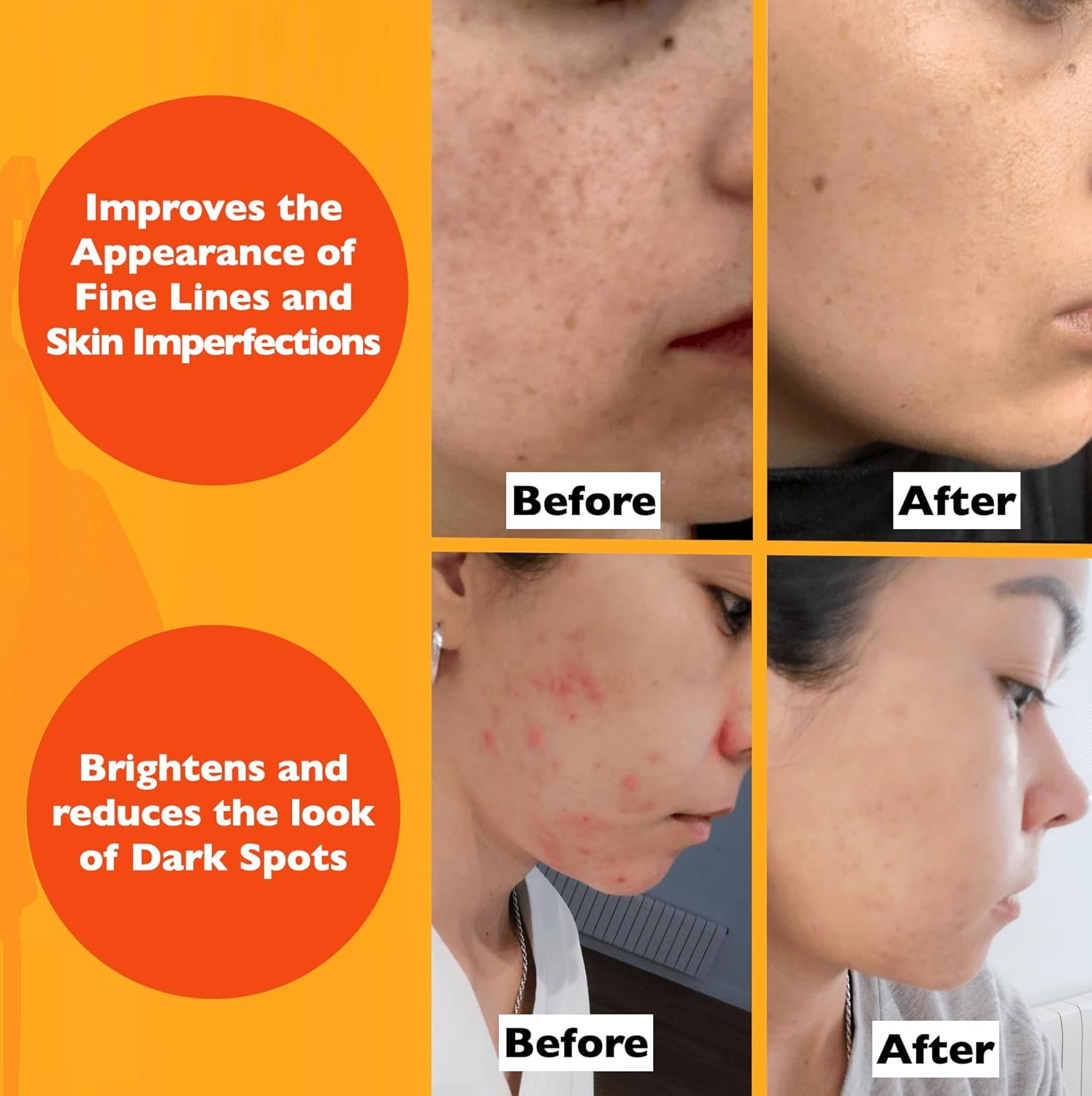
Sunscreen filters UV rays but doesn’t neutralize all the free radical damage UV generates in the skin. Pairing your morning SPF with a vitamin C serum creates a two-layer defense: the sunscreen blocks UV physically, while the antioxidants mop up the oxidative stress that gets through. Apply your vitamin C serum first (on clean skin, after toner if used), allow it to absorb, then follow with moisturizer and sunscreen. This combination is one of the most evidence-backed approaches to how to apply sunscreen for maximum anti-aging and UV damage prevention benefit. To learn the full correct morning application order, see our guide on how to use sunscreen correctly.
For a complete breakdown of sunscreen rules — including SPF number comparisons and reapplication timing — visit our sunscreen rules guide. To find the right formula for your skin type, read our sunscreen protection tips for every skin type. For broader UV protection strategies beyond sunscreen, see our complete sun safety tips guide.
Frequently Asked Questions
What is the 3-finger rule for sunscreen?
The 3-finger rule means squeezing sunscreen in a line across your index, middle, and ring fingers — that amount equals the recommended 2mg/cm² dose for your face and neck. Using this rule consistently ensures you’re getting the full SPF protection printed on the label.
What are the rules for sunscreen?
The core sunscreen safety tips are: use broad-spectrum SPF 30+ daily, apply 15–20 minutes before sun exposure, use the 3-finger rule for the right amount, cover all exposed skin, and reapply every 2 hours outdoors. Following these rules consistently provides reliable protection against UV damage year-round.
Can I use Vitamin C Serum with sunscreen?
Yes — apply your vitamin C serum first on clean skin, allow it to absorb, then apply sunscreen as the final step in your morning routine. This combination provides both UV filtering and antioxidant defense, significantly boosting your overall protection against UV damage and premature aging.
What is the correct way to use sunscreen?
The correct way to use sunscreen is to apply broad-spectrum SPF 30+ as the last skincare step, 15–20 minutes before going outside, using the 3-finger rule for the right amount on your face and neck. Reapply every 2 hours outdoors and cover all exposed areas including ears, neck, and lips for complete UV protection.
Conclusion
These 10 sunscreen safety tips require no expensive products and no complicated routine — just the right knowledge applied consistently. UV damage is silent, cumulative, and largely preventable. Build these habits into your daily morning routine, pair your SPF with a quality antioxidant serum, choose a formula that works for your skin, and reapply throughout the day. Your skin’s long-term health is shaped by the small daily decisions you make right now.
