


25 Biggest Skin Care Myths Secretly Ruining Your Skin
You have been following the same skin care routine for years and your skin still is not where you want it to be. There is a good chance the problem is not your products — it is the skin care myths you have been treating as facts. Misinformation in the beauty world spreads fast, especially on social media, and some of the most damaging advice sounds completely reasonable on the surface. These myths quietly sabotage your skin care routine for glowing skin while you continue wondering why nothing is working. It is time to clear the record on all 25 of them.
Why Skin Care Myths Are So Damaging
Most skin care myths do not cause dramatic, overnight damage. They erode your results slowly. You use the wrong ingredients together, you skip steps that matter, you add steps that do nothing, and over months your skin barrier weakens, your breakouts increase, or your complexion stays dull despite a full routine. Recognizing these myths is one of the most impactful things you can do for your skin — it costs nothing and the results show up quickly once you stop following bad advice.
The 25 Skin Care Myths You Need to Stop Believing

1: Oily Skin Does Not Need Moisturizer
This is one of the most widespread skin care myths and it makes oily skin significantly worse. When you skip moisturizer, your skin senses dryness and produces even more oil to compensate. The result is more shine, not less. Oily skin needs a lightweight, non-comedogenic moisturizer just as much as dry skin does. Keeping the skin balanced reduces excess oil production over time.
2: Natural Ingredients Are Always Safe for Skin
Natural does not mean gentle or safe. Lemon juice, cinnamon, and undiluted essential oils are all natural and all capable of burning and damaging your skin barrier. Many of the most irritating substances that exist are completely natural. Always patch test any new ingredient — natural or synthetic — before applying it to your full face.
3: You Only Need Sunscreen on Sunny Days
UV rays penetrate cloud cover and windows. Up to 80 percent of UV radiation reaches your skin on overcast days. Skipping SPF because it looks cloudy is one of the skin care myths that causes the most long-term damage — dark spots, premature aging, and increased skin cancer risk develop gradually and are almost entirely preventable with daily sunscreen use.
4: Pores Open and Close With Temperature
Pores do not have muscles. They cannot open or close. Hot water does not open them and cold water does not close them. What heat does is soften the debris inside a pore, making it easier to cleanse. Cold water temporarily makes pores appear smaller by tightening the surrounding skin. Understanding this helps you set realistic expectations from your cleansing routine.
5: More Product Means Better Results
Applying a double layer of serum does not double its effectiveness. Most active ingredients have a saturation point and excess product sits on the surface of the skin unused, wastes product, and in some cases increases the chance of irritation. A pea-sized amount of most serums and a thin layer of moisturizer is all that is needed for full effectiveness.
6: Expensive Products Always Work Better
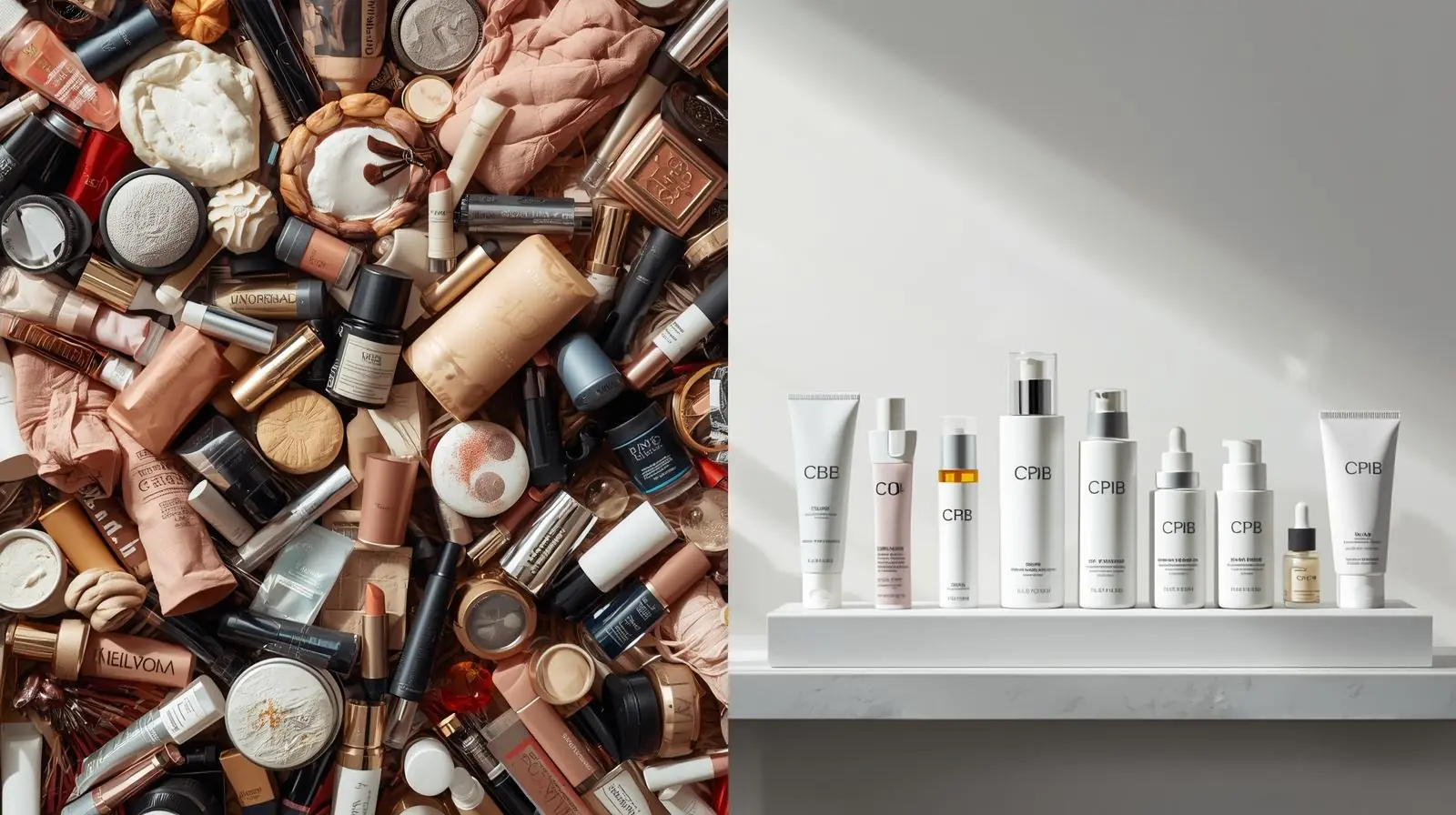
Price is almost never an indicator of ingredient quality or effectiveness. Many high-performing skincare products are available at a fraction of the cost of luxury brands. The active ingredients in a $15 niacinamide serum and a $120 one are often identical. What you pay for in expensive products is primarily the packaging, marketing, and brand name. Research ingredients, not price tags.
7: Toothpaste Clears Pimples
Toothpaste contains sodium lauryl sulfate, fluoride, and flavoring agents that are not formulated for skin. Applying it to a pimple causes chemical irritation, dryness, and can make the spot worse and harder to heal. This is one of those skin care myths that has persisted for decades despite causing real harm. Use benzoyl peroxide or salicylic acid spot treatments instead — both are backed by research and actually work.
8: You Should Feel a Cleanser Working
That tight, squeaky-clean feeling after washing your face is not a sign that the cleanser worked. It is a sign that it stripped your skin’s natural oils and disrupted your moisture barrier. A good cleanser leaves skin feeling clean but comfortable — not tight or dry. If your cleanser leaves your face feeling pulled, it is too harsh regardless of how clean it makes you feel.
9: Acne Is Caused by Dirty Skin
Acne is caused by a combination of factors — excess oil production, bacteria, hormones, inflammation, and clogged pores — not by poor hygiene. Over-washing and scrubbing your face in an attempt to clean away acne actually makes breakouts worse by stripping the barrier and increasing inflammation. Gentle, consistent cleansing twice a day is enough. Aggressive washing is counterproductive.
10: Anti-Aging Products Are Only for Older Skin
Prevention is far more effective than reversal. Starting SPF and antioxidant protection in your twenties is one of the best investments you can make in your skin’s long-term appearance. Ingredients like vitamin C and retinol used early maintain collagen levels before significant breakdown occurs. Waiting until visible aging appears means working against a deficit rather than preventing one.
11: You Need to Scrub Your Skin to Exfoliate Properly
Physical scrubbing with harsh particles creates micro-tears in the skin and causes irritation, particularly on acne-prone or sensitive skin. Chemical exfoliants — AHAs like lactic acid and BHAs like salicylic acid — dissolve the bonds holding dead skin cells to the surface without any friction. They exfoliate more evenly, more gently, and more effectively than most physical scrubs.
12: Drinking Water Alone Hydrates Your Skin
Drinking water is important for overall health but it does not directly hydrate the surface of your skin in a way that replaces topical moisturizers. By the time water reaches your skin cells it has been distributed across all your organs and tissues first. Topical hydration with ingredients like hyaluronic acid and glycerin directly addresses the skin’s moisture needs in ways that drinking water alone cannot.
13: Sunscreen Causes Breakouts
Chemical sunscreens can irritate acne-prone skin for some people but physical sunscreens — those containing zinc oxide or titanium dioxide — are non-comedogenic and work well on skin that breaks out. The skin care myth that all sunscreens cause acne leads people to skip SPF entirely, which causes far more damage than a minor ingredient sensitivity. Find a formula that works for your skin type rather than avoiding sunscreen altogether.
14: Facial Oils Make Oily Skin Worse
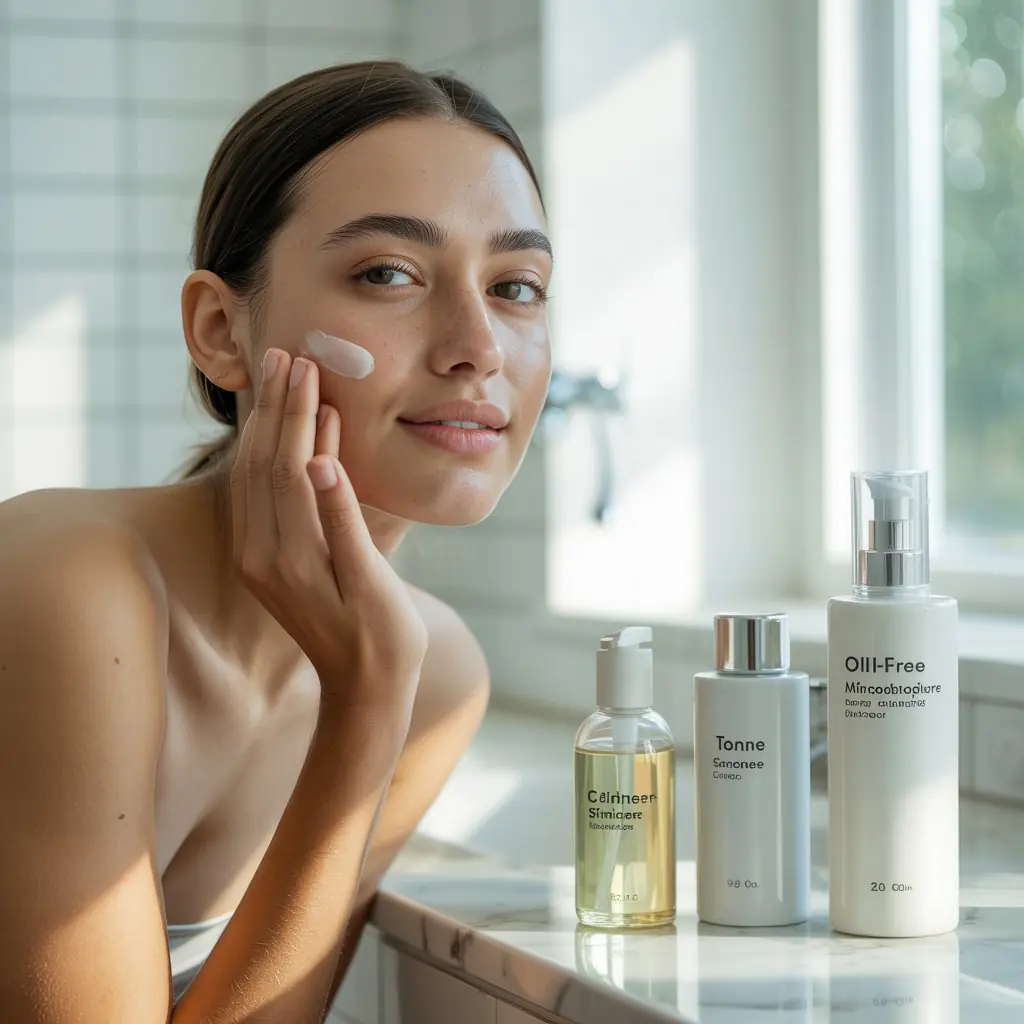
The right facial oil does the opposite. Oils like jojoba, rosehip, and squalane are non-comedogenic and mimic the skin’s own sebum. When you apply a compatible facial oil, your skin registers that it has enough lipids and reduces its own oil production. Avoiding all oils because your skin is oily is one of the skin care myths that keeps people stuck in an over-oily cycle.
15: You Can Shrink Your Pores Permanently
Pore size is genetically determined. You cannot permanently make them smaller. What you can do is keep them clean and unclogged so they appear smaller, use retinoids to increase skin elasticity which makes pores look tighter, and use primers or blurring products for a temporary visual smoothing effect. Any product claiming to permanently reduce pore size is not delivering on that promise.
16: Tanning Clears Acne
Sun exposure temporarily dries out the surface of pimples and tans the surrounding skin so they are less visible. This is not clearing acne — it is masking it while causing UV damage that leads to post-inflammatory hyperpigmentation, making dark marks from acne darker and longer-lasting. Tanning as an acne treatment causes more long-term skin damage than it temporarily improves.
17: Retinol Thins the Skin
This is one of the most persistent skin care myths about one of the most effective ingredients available. Retinol does not thin the skin. It temporarily thins the outer dead cell layer while thickening the deeper dermal layers by stimulating collagen production. The initial peeling and sensitivity during retinol use is a purging process, not damage. Skin that has used retinol long-term is actually structurally thicker and more resilient than skin that has not.
18: Makeup Causes Permanent Skin Damage
Makeup worn properly and removed thoroughly every night does not cause permanent skin damage. The actual damage comes from sleeping in makeup, using comedogenic formulas on acne-prone skin without knowing it, and not cleansing properly. The products themselves are not the problem — incomplete removal and poor application hygiene are.
19: You Should Skip Moisturizer if You Have Acne
Drying out acne-prone skin by skipping moisturizer does not help acne heal faster. It triggers more oil production, slows down the skin barrier’s ability to repair itself, and can make existing inflammation worse. Lightweight, oil-free, non-comedogenic moisturizers are a key part of any effective skin care routine for glowing skin, including skin that breaks out regularly.
20: Eye Cream and Regular Moisturizer Are the Same Thing
The skin around the eye is thinner, more delicate, and more prone to irritation than the rest of the face. Eye creams are formulated with this in mind — gentler preservatives, specific active concentrations appropriate for the area, and a texture that does not migrate into the eyes. Regular facial moisturizer applied directly under the eyes can cause milia or irritation in some people, particularly if it contains heavier occlusive ingredients.

21: Your Skin Adapts to Products and They Stop Working
Skin does not build a tolerance to effective ingredients the way your body builds tolerance to caffeine or medication. If a product appears to stop working, it is usually because the original problem has been resolved and you are now in a maintenance phase, or the formulation has changed, or other factors in your routine or life are affecting your skin differently. The ingredient itself does not become less effective because your skin has used it before.
22: Hot Water Opens Pores for Better Cleansing
Hot water does not open pores — as covered earlier, pores do not open and close. What hot water does do is strip the skin’s lipid barrier, cause redness, and trigger excess oil production in response to dryness. Wash your face with lukewarm water. It is effective enough for cleansing without causing the inflammation and dryness that hot water creates.
23: SPF in Makeup Is Enough Sun Protection
To get the stated SPF protection from a makeup product you would need to apply it in a quantity that is not realistic for daily use — roughly seven times the amount most people actually apply. SPF in makeup is a bonus, not a replacement. A dedicated sunscreen applied underneath your makeup before you leave the house is the only way to get meaningful UV protection.
24: All Skin Types Should Follow the Same Routine
Dry skin, oily skin, combination skin, sensitive skin, and acne-prone skin all have different needs, respond to different ingredients, and require different product textures and formulations. Following a skin care routine for glowing skin that was designed for someone with a completely different skin type leads to the exact opposite of glowing skin. Understanding your skin type is the foundation of building a routine that actually delivers results.
25: You See Results From New Products in a Few Days
Most active skincare ingredients require consistent use for four to twelve weeks before meaningful visible results appear. Skin cell turnover takes approximately 28 days. Collagen synthesis from retinoids takes months. Hyperpigmentation from vitamin C fades gradually. Abandoning a product after a week because you have not seen dramatic changes is one of the most common reasons people never get the results their routine is actually capable of delivering. Give your products enough time to work before deciding they have failed.
Building a Skin Care Routine for Glowing Skin Without the Myths
Once you clear out the misinformation, building an effective skin care routine for glowing skin becomes much simpler. Here is what actually matters:
- Gentle cleanser twice daily — no tight feeling, no stripping
- Antioxidant serum in the morning — vitamin C to protect and brighten
- SPF 30 or higher every morning — rain, sun, indoors, outdoors, every day
- Lightweight moisturizer twice daily — regardless of skin type
- Retinol or retinoid at night — start low, go slow, give it 12 weeks
- Chemical exfoliant two to three times per week — AHA or BHA based on your concern
- Consistency above all — no routine works without time and repetition
That is it. No 14-step routine. No miracle ingredients. No expensive serums. Just the right steps, the right order, and enough patience to let the ingredients do their job. Eliminating these skin care myths from your thinking makes every other part of your routine more effective by default.
The Bottom Line on Skin Care Myths
Every single one of these 25 skin care myths has cost people time, money, and healthy skin. The beauty industry and social media profit from confusion — complicated routines, expensive products, and ever-changing trends keep people buying and experimenting rather than just doing the simple things that science has already confirmed work. Your skin does not need to be confused. It needs consistency, the right ingredients for its specific type, daily sun protection, and enough time to respond. Stop following the myths and your skin will almost certainly start improving faster than you expect.
Did any of these skin care myths surprise you? Save this post to your Pinterest skincare board right now so you can share it with anyone who is following advice that is quietly holding their skin back. The truth about skincare is simpler and more affordable than the myths — and it is worth passing on. Pin it, share it, and save yourself and your friends from another year of routines built on bad information.
