

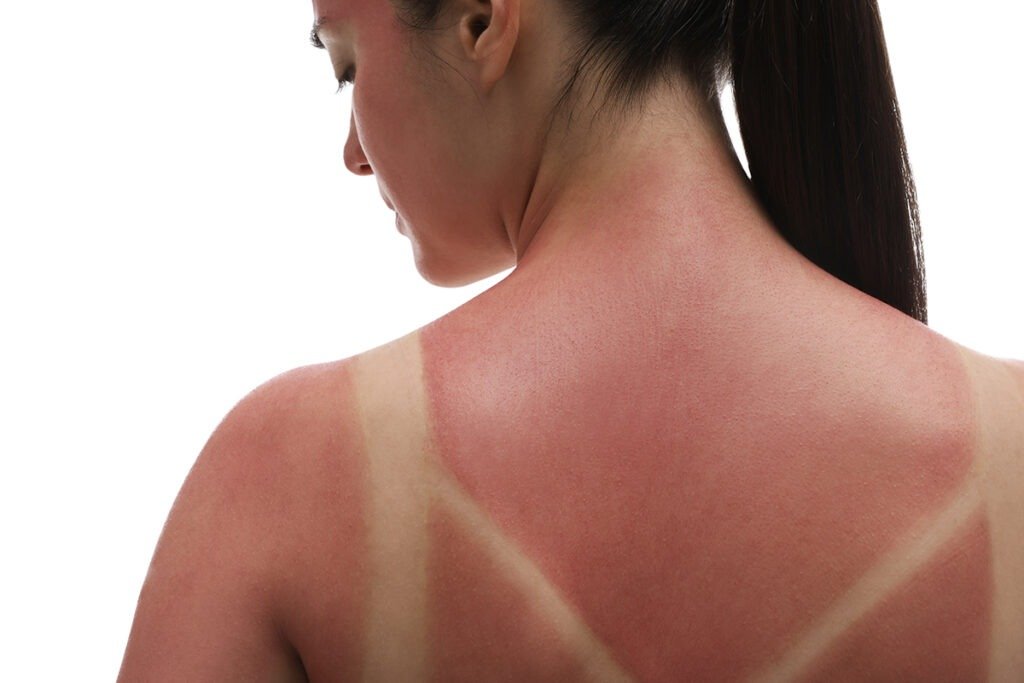
9 Sunburn Remedies That Cool Down Your Fried Skin
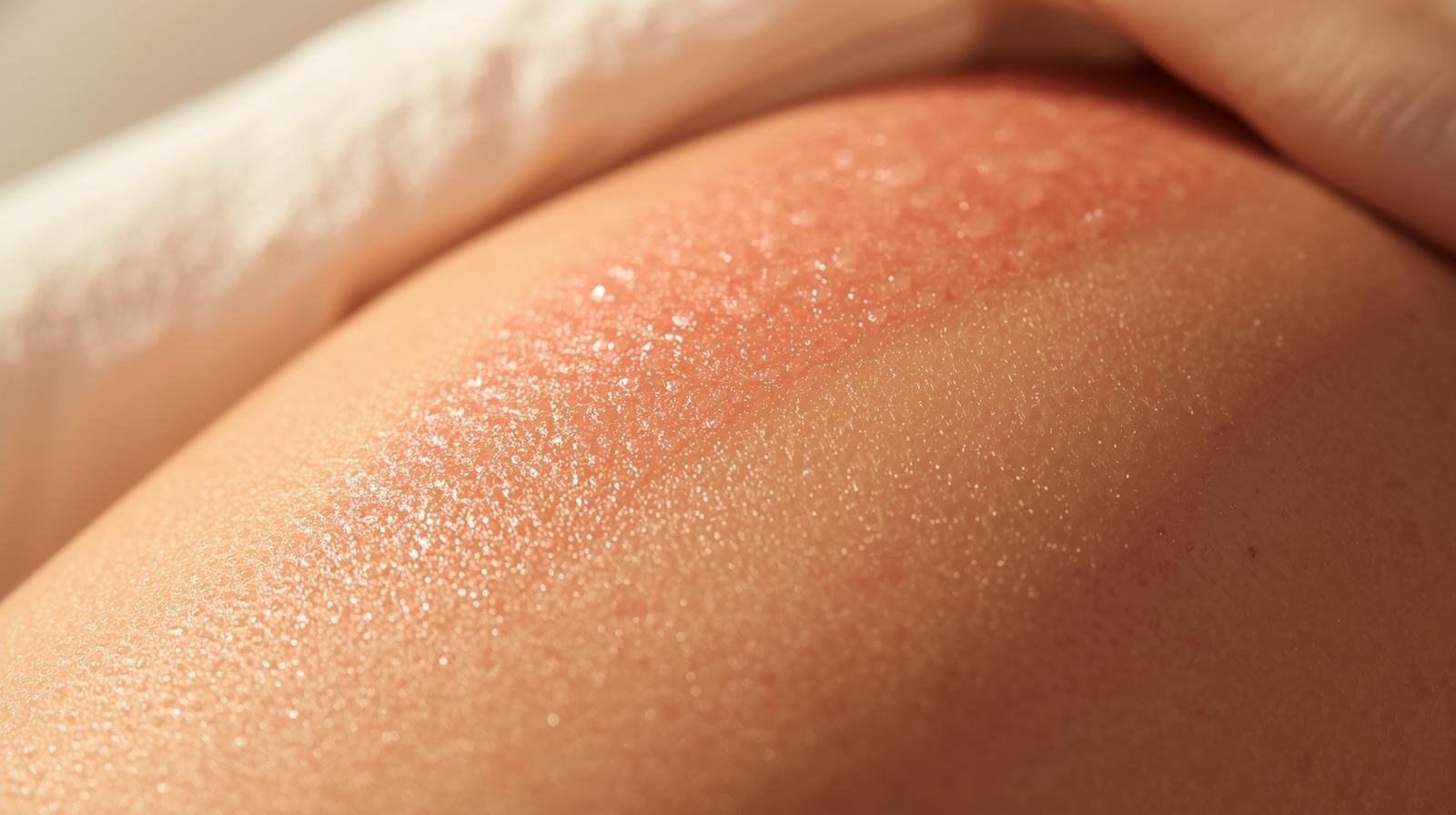
You spent one too many hours in the sun and now your skin is red, hot, tight, and absolutely furious about it. Sunburn is one of those things that feels fine while it is happening and then announces itself loudly a few hours later. The good news is that most sunburns, while uncomfortable, respond well to simple home treatment. The right sunburn remedies calm the inflammation, pull heat out of the skin, restore moisture, and get your skin on the path to healing.
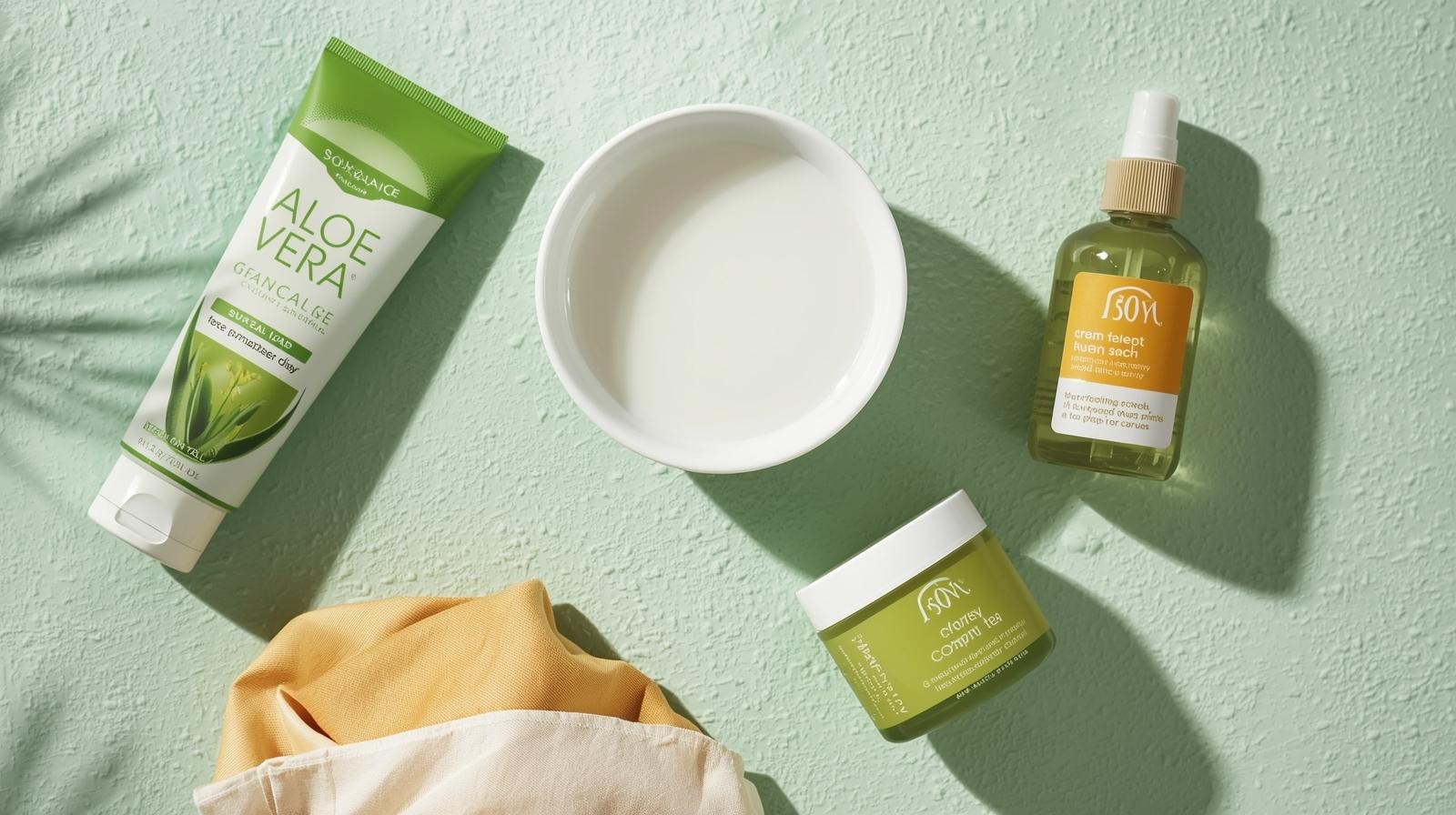
These 9 remedies are straightforward, use ingredients most people already have, and actually work. Let us get into them.
9 Sunburn Remedies That Actually Work
1. Cool Water — Your First Move
The very first thing you should do when you realize you are sunburned is get into cool water. A cool shower or a cool bath for 10 to 15 minutes immediately brings the skin temperature down and starts reducing the burning sensation. Do not use cold water or ice directly on the skin. Extreme cold on already inflamed skin can cause additional shock and damage. Aim for water that feels refreshingly cool, not cold. After you step out, pat your skin gently with a soft towel. Do not rub. Rubbing sunburned skin makes everything worse.
Pro tip: Add a cup of plain oatmeal to a cool bath. It sounds strange but oatmeal contains avenanthramides that specifically reduce skin inflammation and itching. It turns the bath into an actual treatment.
2. Aloe Vera Gel — The Classic That Earns Its Reputation
Aloe vera is the most widely used sunburn remedy for a reason. The gel from the aloe plant contains compounds that reduce inflammation, fight bacteria, and create a cooling barrier over the skin that feels immediately soothing. Apply it generously over the burned area as often as needed. If you have a real aloe plant, break off a leaf and apply the gel directly from the plant. If you are using a store-bought gel, look for one that is pure aloe without added alcohol, fragrance, or artificial color — those extra ingredients sting on burned skin and do not help healing.
Pro tip: Put your aloe vera gel in the refrigerator for an hour before applying. The cold gel on hot skin feels like immediate relief and the cooling effect lasts longer than room-temperature application.
3. Drink a Lot of Water
Sunburn draws fluid to the surface of the skin and away from the rest of your body. This is why many people feel tired, dizzy, or have a headache after a day in the sun — dehydration is part of what is happening. Drinking plenty of water after getting sunburned is not just good general advice. It is an active part of healing. Your skin needs hydration from the inside to repair itself and your body needs the fluid back to maintain normal function. Drink more water than you think you need for the first 24 to 48 hours after a burn.
Pro tip: Add electrolytes to your water if the burn is significant or if you spent many hours in direct sun. You likely lost more than just water through sweat and sun exposure.
4. Plain Yogurt Applied Directly to the Skin
This one surprises people but it works well. Plain, unsweetened yogurt applied cold to sunburned skin provides two things at once. The cool temperature immediately reduces heat and the lactic acid and live cultures in the yogurt help calm the inflammation and support skin barrier repair. Apply it like a mask directly to the burned area, leave it on for 10 to 15 minutes, and rinse with cool water. Use only plain yogurt with no fruit, sugar, or flavoring. Anything added makes it irritating rather than helpful.
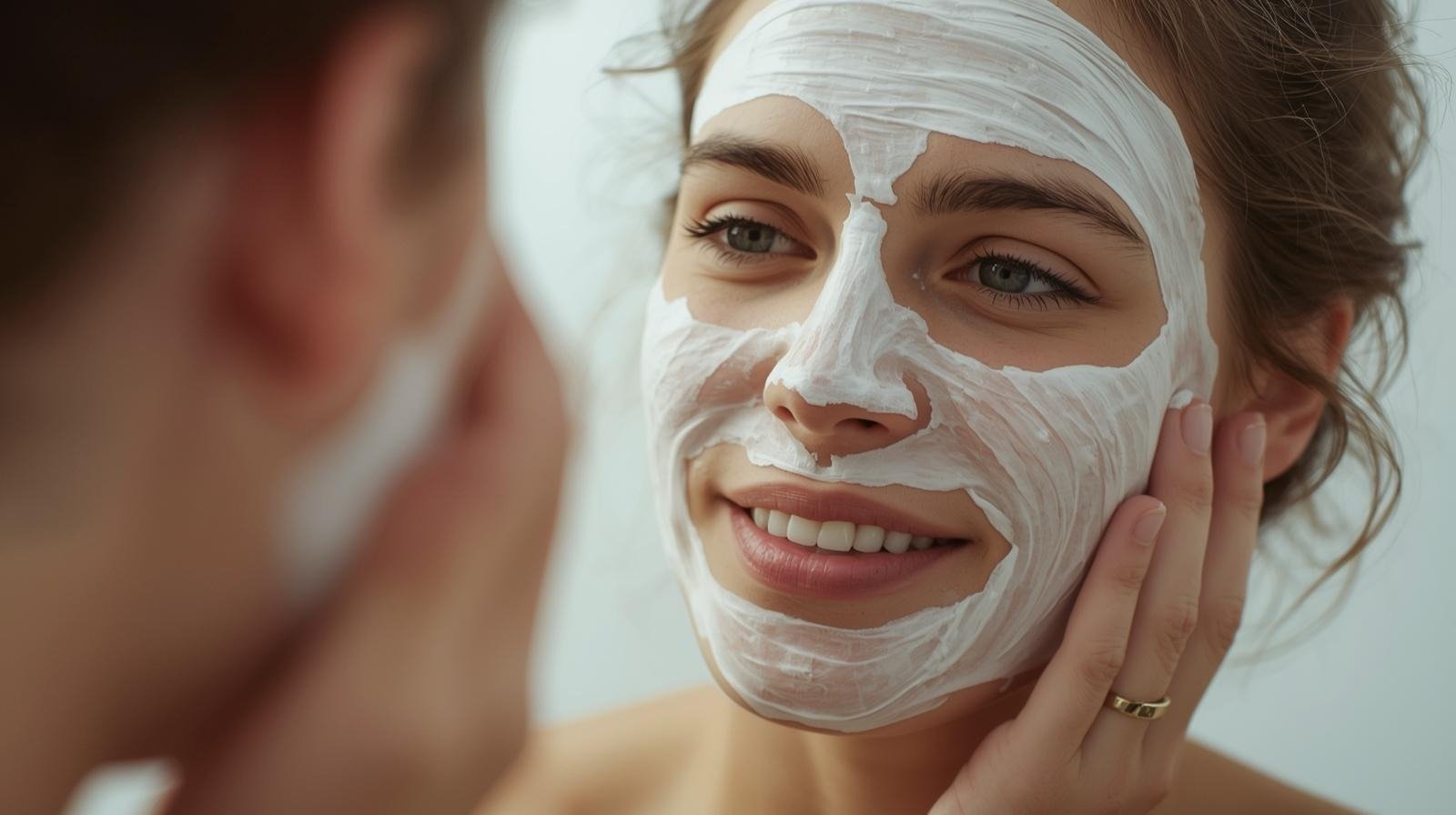
Pro tip: Take the yogurt straight from the refrigerator and apply it immediately. The colder it is when it touches the skin, the more relief it provides in the first few seconds.
5. A Light, Fragrance-Free Moisturizer
Once the immediate heat starts to calm down, burned skin needs moisture to prevent peeling and support healing. Apply a gentle, fragrance-free moisturizer while your skin is still slightly damp after a cool shower. This locks in hydration. Avoid anything with perfume, retinol, acids, or active skincare ingredients while your skin is burned — it is already damaged and those ingredients will irritate rather than help. Look for moisturizers with ingredients like ceramides, hyaluronic acid, or glycerin. These replenish what the skin has lost without causing additional stress.
Pro tip: Avoid petroleum-based products like petroleum jelly in the first 24 hours of a sunburn. They trap heat in the skin. Wait until the heat has fully subsided before using any occlusive product.
6. Cold Milk Compress
A cold milk compress is one of the most underrated sunburn remedies out there. Milk contains proteins, fat, and lactic acid that together soothe irritated skin and help the skin barrier start to recover. Soak a clean cloth in cold whole milk and apply it to the burned area as a compress for 15 to 20 minutes. The cold temperature provides immediate relief and the milk leaves a thin, soothing film on the skin that reduces the tight, burning feeling. Rinse with cool water afterward.
Pro tip: Whole milk works better than skimmed for this because the fat content plays a role in the soothing effect. If you only have skimmed, it still helps but full-fat is noticeably more effective.
7. Over-the-Counter Ibuprofen or Aspirin
Sunburn is an inflammatory event. Taking an anti-inflammatory medication like ibuprofen or aspirin shortly after getting burned does not just reduce pain — it actively reduces the inflammatory process that causes redness, swelling, and ongoing damage to the skin. Start it early. Taking ibuprofen a few hours after sun exposure is meaningfully more effective than waiting until the pain is severe. Follow the dosage instructions on the packaging and take it with food. This is one of the sunburn remedies that works from the inside in a way that no topical treatment can match.
Pro tip: Do not give aspirin to children or teenagers for sunburn. Use ibuprofen or paracetamol for younger people and follow age-appropriate dosing carefully.
8. Stay Out of the Sun While You Heal
This sounds obvious but it is worth saying directly. Burned skin is damaged skin. Going back out into the sun before it has healed — even with sunscreen — worsens the damage and extends the time it takes to recover. Keep burned skin covered with loose, soft clothing or stay indoors during peak sun hours while you are healing. If you do need to go outside, cover the area completely and reapply sunscreen every two hours. Sun exposure on burned skin is not just uncomfortable — it increases the risk of longer-term skin damage significantly.
Pro tip: Wear clothing made from tightly woven fabric rather than loose weave. Loosely woven fabric still lets UV rays through, even if it looks like full coverage.
9. Raw Honey Applied to Mild Burns
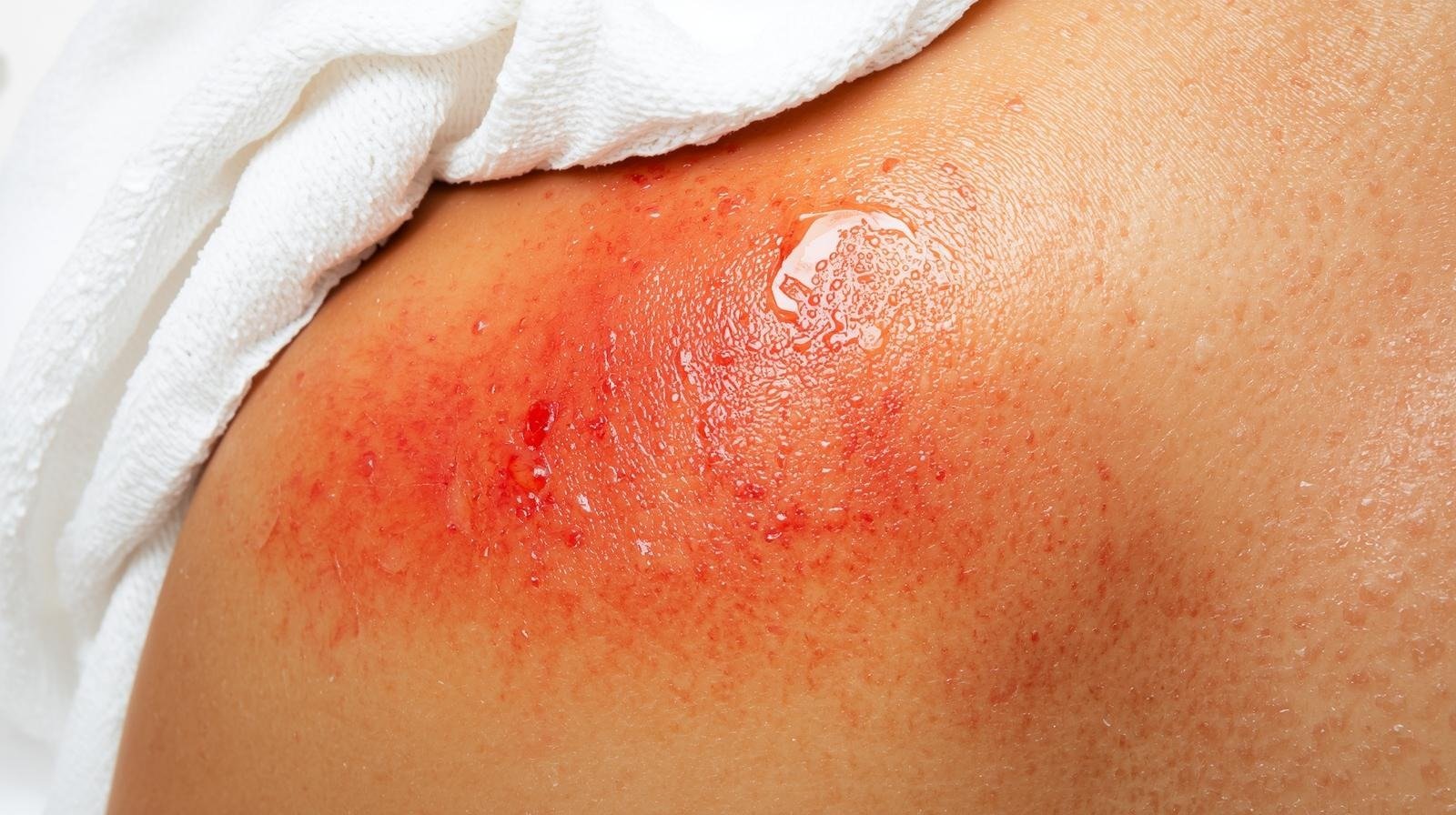
Raw honey has documented wound-healing and antibacterial properties. Applied to a mild sunburn — particularly one that has blistered or broken skin — it creates a moist healing environment, fights bacteria that could cause infection in broken skin, and reduces inflammation. Apply a thin layer directly to the affected area and leave it on for 20 minutes before rinsing with cool water. Use raw Manuka honey where possible. Processed honey has had many of its beneficial enzymes removed and is far less effective as a skin treatment. This remedy is particularly useful for burns that have progressed to light peeling or minor blistering.
Pro tip: If your sunburn has produced large or fluid-filled blisters, do not treat it at home. Large blisters are a sign of a second-degree burn and need medical attention. Honey is appropriate for minor blistering or broken skin from peeling only.
What to Avoid When You Have Sunburn
Knowing what not to do is just as important as knowing the right remedies. Several commonly attempted treatments make sunburn worse rather than better.
- Ice directly on the skin — causes ice burn on top of sun damage. Always wrap ice in a cloth.
- Petroleum jelly in the first 24 hours — traps heat and slows the initial cooling process.
- Popping blisters — removes the protective barrier the body created and opens the area to infection.
- Perfumed products or alcohol-based toners — irritate already compromised skin and slow healing.
- Scrubbing or exfoliating burned skin — causes more damage and extends recovery time significantly.
When to See a Doctor
Most sunburns heal on their own with the remedies above. However, some burns require medical attention. See a doctor if you have large blisters covering a wide area of skin, a fever above 38.5 degrees Celsius, chills, confusion, severe pain that does not respond to ibuprofen, or if a child has a significant sunburn. These are signs that the burn is more serious than a standard surface-level red skin reaction and needs proper treatment.
Final Thoughts
Sunburn is uncomfortable, but it is manageable when you know the right steps. Cool water first, aloe vera generously, hydration from inside and out, and gentle care for a few days is all most burns need. The skin is remarkably good at repairing itself when you give it the right conditions and stay out of its way. Use these sunburn remedies consistently and your skin will calm down and heal faster than you expect.
And next time — the sunscreen goes on before you go outside, not after the first hour in the sun.
If this post helped you or someone you know, save it to your Pinterest skincare board so you can find it when you need it most. Sunburn tends to happen when you least expect it, and having this guide somewhere easy to find is worth it. Share it with a friend who spends time outdoors — these are remedies worth knowing before you need them.
