

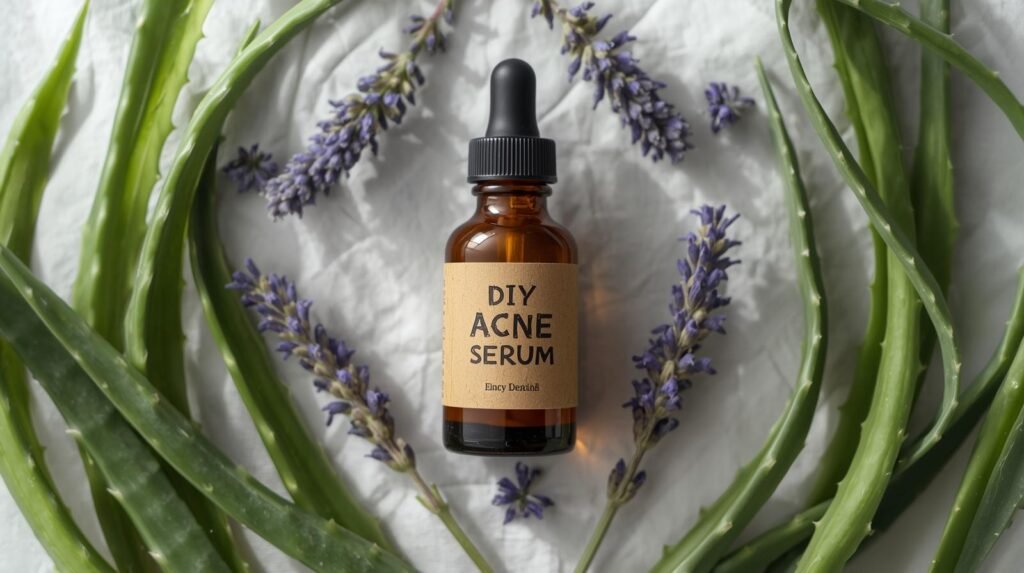
There is a quiet frustration that comes with spending serious money on a cleanser that promises to clear your skin, only to see the same breakouts looking back at you two weeks later. The skincare industry is very good at packaging hope, but the ingredients doing the actual work are often simple, natural compounds that have been used for centuries. Some of them are sitting in your kitchen right now.
This is not a post about replacing your entire skincare routine with DIY recipes. It is about understanding which homemade skincare recipes for acne are genuinely effective, why they work at a biological level, and how to use them correctly so you get real results without the markup. Every recipe here is built around ingredients that have a credible body of evidence supporting their use on acne-prone skin.
What are the best homemade skincare recipes for acne? The most effective homemade skincare recipes for acne include honey and cinnamon masks, oat and yogurt cleansers, green tea toners, turmeric spot treatments, and aloe vera gels. These recipes use ingredients with documented antibacterial, anti-inflammatory, and pore-clearing properties that address the root causes of acne without stripping the skin barrier.
Before You Start: Two Things Worth Knowing
First, always do a patch test before applying any new recipe to your full face. Even natural ingredients can trigger reactions in certain skin types. Apply a small amount to your inner forearm and wait 24 hours before using it on your face.
Second, consistency matters more than the recipe itself. A homemade cleanser or mask used three times and then abandoned will not clear your skin. The recipes that follow are simple enough to make repeatedly, which means you will actually use them long enough to see results.
Looking for Clear Skin? Try These 15 Homemade Skincare Recipes!
1. Raw Honey and Cinnamon Antibacterial Mask
What you need: 2 tablespoons raw Manuka honey, 1 teaspoon cinnamon powder
Mix the two ingredients into a paste and apply a thin, even layer across clean skin. Leave it on for 15 minutes and rinse with warm water. Raw honey is a well-documented antimicrobial agent with wound-healing properties. Its hydrogen peroxide content and low pH create an environment where acne-causing bacteria struggle to survive. Cinnamon adds a secondary layer of antimicrobial action and improves blood circulation in the skin, which speeds healing. Used two to three times per week, this mask consistently reduces the bacterial load on acne-prone skin without causing dryness.
One note: if your skin runs sensitive, reduce the cinnamon to half a teaspoon in your first few uses. Cinnamon is active and can cause mild tingling in sensitive skin types.
2. Oat and Plain Yogurt Gentle Cleanser
What you need: 2 tablespoons finely ground rolled oats, 1 tablespoon plain unsweetened yogurt
Combine into a soft paste. Massage gently onto damp skin in small circular motions for 60 seconds, then rinse. Ground oats are rich in avenanthramides, compounds with strong anti-inflammatory and barrier-supporting properties. Yogurt contains lactic acid, a gentle alpha hydroxy acid that dissolves the surface buildup of dead skin cells that clog pores and trigger breakouts. Together they clean the skin, lightly exfoliate without abrasion, and leave the barrier intact. This is a particularly strong choice for people with acne-prone skin that is also sensitive or prone to redness.
3. Green Tea and Aloe Vera Soothing Toner
What you need: 1 cup strongly brewed green tea (cooled completely), 1 tablespoon pure aloe vera gel
Brew a cup of green tea and allow it to cool fully in the refrigerator. Mix in the aloe vera gel and transfer to a clean spray bottle or apply with a cotton pad after cleansing. Green tea contains epigallocatechin gallate, which reduces sebum production and has meaningful anti-inflammatory activity. Studies have shown that topical green tea preparations reduce both the number and severity of acne lesions. Aloe vera calms irritation and adds lightweight hydration without clogging pores. This toner stores in the refrigerator for up to five days.
4. Turmeric and Honey Brightening Spot Treatment
What you need: 1 teaspoon raw honey, a very small pinch of turmeric powder
Mix into a smooth paste. Apply a small amount directly onto individual pimples or dark spots using a clean cotton swab. Leave on for 20 minutes and rinse. Turmeric contains curcumin, a compound with both anti-inflammatory and antimicrobial properties that has been studied specifically in the context of acne. It also inhibits melanin production, which makes it effective for fading post-acne dark marks over time. Honey acts as the carrier that keeps the turmeric in contact with the skin long enough to work. A word of caution: turmeric stains. Use a cotton swab for application and rinse thoroughly. Do not use if you are wearing anything you value.
5. Apple Cider Vinegar Diluted Toner
What you need: 1 part raw unfiltered apple cider vinegar, 3 parts water
Dilute carefully and apply with a cotton pad after cleansing. Apple cider vinegar contains acetic acid and succinic acid, both of which have demonstrated antibacterial activity against Cutibacterium acnes, the primary bacterium involved in acne. It also temporarily lowers the skin’s pH, which creates a less hospitable environment for bacterial growth. The dilution ratio matters significantly here. Undiluted apple cider vinegar causes chemical burns. Always dilute to a minimum of one part vinegar to three parts water. If you experience stinging or redness, dilute further or discontinue use.
6. Aloe Vera and Tea Tree Overnight Gel
What you need: 2 tablespoons pure aloe vera gel, 3 drops tea tree essential oil
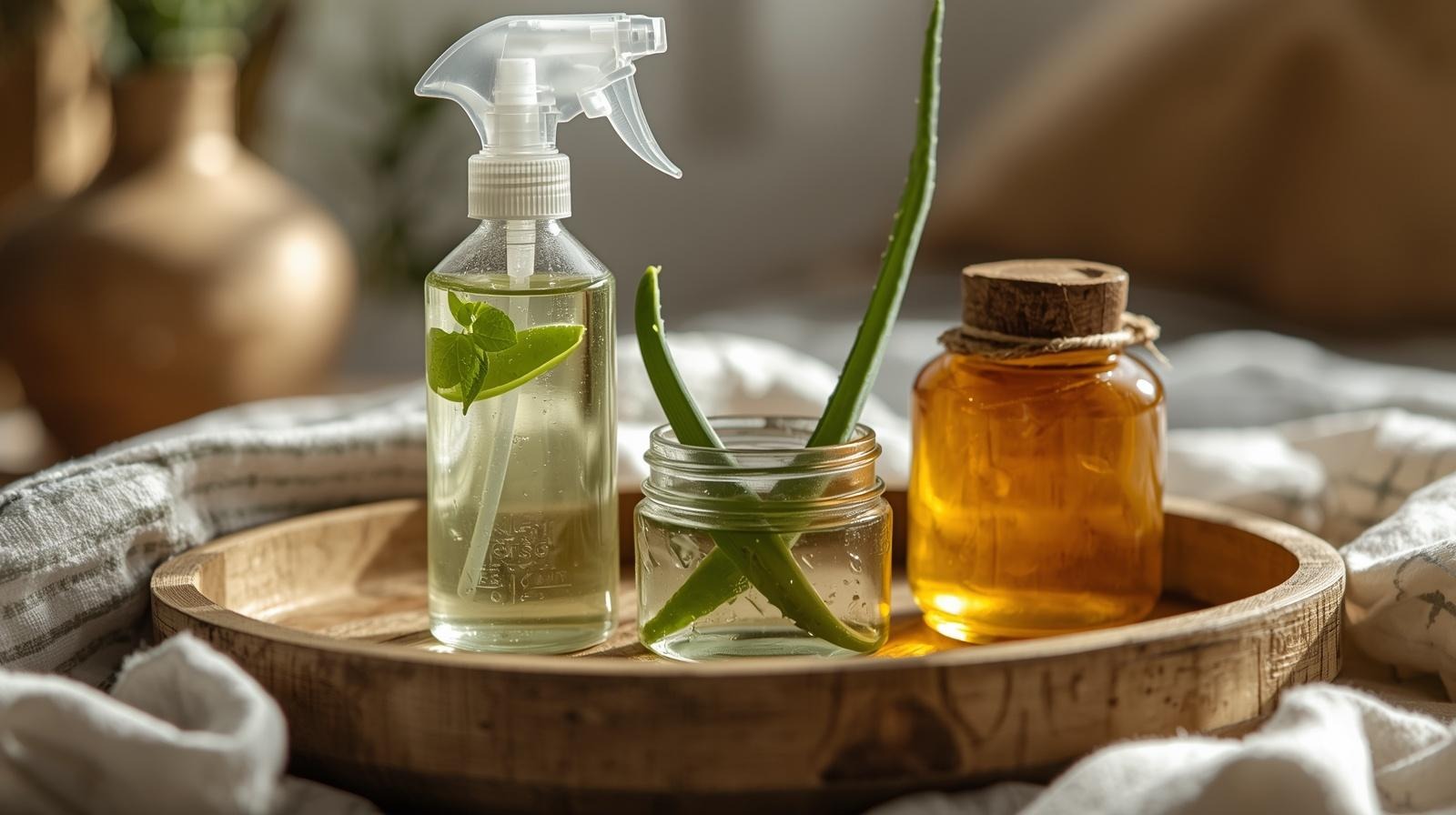
Mix thoroughly and apply as a thin layer over the whole face or directly onto active pimples before bed. Tea tree oil at 5% concentration has been shown in clinical trials to be comparable to 5% benzoyl peroxide in reducing acne lesion count, with fewer side effects. Aloe vera serves as a safe, non-comedogenic carrier that dilutes the tea tree oil to a skin-safe concentration while adding its own calming and anti-inflammatory benefits. Do not apply undiluted tea tree oil to the skin. This gel recipe achieves approximately the right therapeutic concentration when mixed as described.
7. Bentonite Clay and Apple Cider Vinegar Pore Mask
What you need: 1 tablespoon bentonite clay powder, enough apple cider vinegar (diluted) or water to form a paste
Mix until smooth and apply to the face, avoiding the eye area. Leave on for 10 to 15 minutes, until it begins to dry but before it fully hardens. Rinse with warm water and follow immediately with a moisturizer. Bentonite clay carries a natural negative electrical charge that attracts positively charged toxins, excess sebum, and debris out of pores as it dries. It is one of the most effective deep-pore cleansers available in any form, commercial or homemade. Use this mask no more than once a week, as it is powerful and overuse leads to dryness and barrier disruption.
8. Lemon Juice and Aloe Vera Brightening Serum
What you need: 1 teaspoon fresh lemon juice, 2 tablespoons aloe vera gel
Mix and apply to clean skin with clean fingers, focusing on areas with post-acne dark marks. Leave for 10 minutes and rinse. Lemon juice contains citric acid, a natural alpha hydroxy acid that promotes cell turnover and fades hyperpigmentation. Aloe vera buffers the acidity to reduce the risk of irritation. Important: never use lemon juice on open or active pimples — it stings and can worsen inflammation. This recipe is specifically for the dark marks left behind after a pimple heals. Also, do not go into direct sunlight after applying lemon juice to your skin, as citric acid increases photosensitivity. This is strictly an evening treatment.
9. Oatmeal and Chamomile Calming Face Wash
What you need: 2 tablespoons finely ground oats, 2 tablespoons strongly brewed chamomile tea (cooled), 1 teaspoon raw honey
Combine into a loose paste and use as a daily face wash in the morning. Chamomile contains bisabolol and chamazulene, two compounds with clinically studied anti-inflammatory properties that calm active breakouts and reduce the redness that makes acne appear more severe. Combined with the barrier-supportive properties of oats and the antibacterial action of honey, this face wash is one of the gentlest and most balanced homemade options available for skin that breaks out but is also easily irritated by stronger treatments.
10. Witch Hazel and Niacinamide-Rich Rosehip Toner
What you need: 3 tablespoons alcohol-free witch hazel, 1 teaspoon rosehip oil
Shake well before each use and apply with a cotton pad after cleansing. Witch hazel is a natural astringent that removes residual oil and temporarily tightens pores. Alcohol-free formulations are important because alcohol-based witch hazel strips the skin and worsens barrier function over time. Rosehip oil contains naturally occurring trans-retinoic acid — a form of vitamin A — as well as linoleic acid, a fatty acid that research has linked to reduced comedone formation. People with acne-prone skin often have lower levels of linoleic acid in their sebum, and topical application appears to help address this imbalance.
11. Yogurt and Papaya Enzyme Exfoliating Mask
What you need: 2 tablespoons ripe mashed papaya, 1 tablespoon plain yogurt
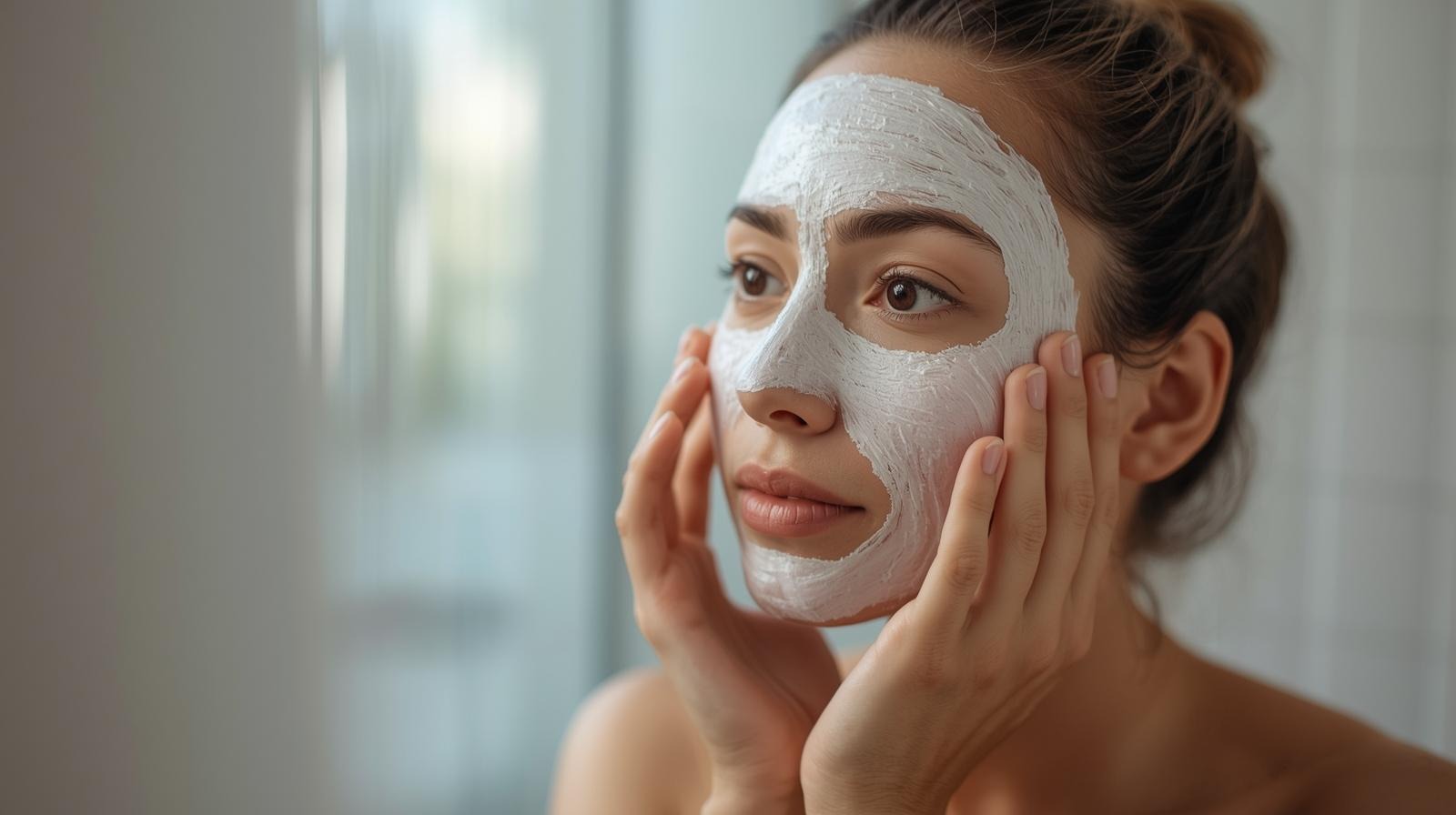
Blend or mash together and apply to clean skin. Leave for 15 minutes and rinse with cool water. Papaya contains papain, a naturally occurring proteolytic enzyme that digests dead skin protein on the surface of the skin, achieving a form of exfoliation without any physical scrubbing. Lactic acid from the yogurt works alongside it to dissolve the bonds holding dead cells to the surface. The result is visibly smoother, clearer skin with unclogged pores and reduced surface congestion. This mask is ideal for blackhead-prone skin and works well used once or twice a week.
12. Baking Soda and Honey Spot Treatment
What you need: 1 teaspoon baking soda, 1 teaspoon raw honey
Mix into a paste and apply to individual pimples only — not across the full face. Leave for five minutes maximum and rinse. This recipe requires an important caveat. Baking soda is alkaline, and used broadly or too often it raises the skin’s pH and disrupts the acid mantle, leading to increased bacterial growth and barrier damage. However, applied sparingly to a single inflamed pimple for a very short time, the mild alkalinity temporarily reduces local bacterial activity and the honey provides anti-inflammatory support. This is a targeted, short-duration treatment — not a face wash. Use it that way and it works. Use it as anything else and it causes more problems than it solves.
13. Cucumber and Aloe Vera Cooling Serum
What you need: Half a cucumber, blended and strained, 1 tablespoon aloe vera gel
Blend the cucumber and strain the liquid through a fine cloth or coffee filter to remove solids. Mix the cucumber water with aloe vera gel and apply to the skin after cleansing as a lightweight serum. Cucumber contains cucurbitacins and flavonoids that reduce skin inflammation and puffiness. It also has a high silica content, which supports collagen production and skin structure. Paired with aloe vera, this serum is deeply calming for inflamed acne and particularly useful during a breakout when the skin feels hot, red, and reactive. Store in the refrigerator — the cold application adds an additional immediate calming effect.
14. Fuller’s Earth Clay and Rose Water Mask
What you need: 1 tablespoon fuller’s earth clay (multani mitti), enough rose water to form a smooth paste
Mix and apply evenly across clean skin. Leave for 10 to 12 minutes and rinse before it fully dries. Fuller’s earth is a highly absorbent clay that has been used for generations in traditional skincare. It draws excess oil from the skin more aggressively than most over-the-counter formulations, making it one of the best homemade options for people with oily, acne-prone skin. Rose water contains phenylethanol and flavonoids that calm redness and have mild antimicrobial properties. Together this mask is one of the most effective for reducing both active breakouts and the excess oiliness that contributes to them. Do not let it sit until completely hardened — remove it while it is still slightly damp to avoid over-drying.
15. Coconut Oil and Sugar Lip and Nose Blackhead Scrub
What you need: 1 teaspoon raw coconut oil, 1 teaspoon fine white sugar
Mix and use as a gentle scrub specifically on the nose, chin, and lip area where blackheads tend to concentrate. Massage gently in small circles for 30 seconds and rinse. A critical note about this recipe: coconut oil is comedogenic, meaning it can clog pores when used broadly on acne-prone skin. For this reason, this recipe is listed specifically as a targeted scrub for small areas, not as a full-face treatment. In this targeted application, the sugar provides gentle physical exfoliation that dislodges the top layer of a blackhead while the coconut oil softens the pore contents, making them easier to clear. Rinse thoroughly and do not leave coconut oil sitting on acne-prone skin.
How to Build These Recipes Into a Routine
Using 15 different recipes randomly will not give you clear skin. The goal is to identify two or three that match your specific skin concerns and build them into a consistent weekly routine. Here is a simple framework:
- Daily cleanser: The oat and yogurt cleanser (recipe 2) or the oatmeal and chamomile face wash (recipe 9) are gentle enough for daily morning use.
- Daily toner: The green tea and aloe toner (recipe 3) or the witch hazel and rosehip toner (recipe 10) applied after cleansing each morning or evening.
- Weekly deep-cleansing mask: Bentonite clay mask (recipe 7) or fuller’s earth mask (recipe 14) once a week on the evening before your rest day.
- Spot treatment as needed: The honey and cinnamon mask (recipe 1), turmeric spot treatment (recipe 4), or the aloe and tea tree gel (recipe 6) directly on active pimples before bed.
- Brightening treatment for dark marks: The lemon and aloe serum (recipe 8) two to three evenings per week, on areas with post-acne hyperpigmentation only.
Ingredients to Avoid in DIY Skincare for Acne
Not every natural ingredient belongs on acne-prone skin. Several commonly suggested home remedies cause more harm than good and are worth knowing to avoid.
- Undiluted lemon juice applied broadly — too acidic for full-face use, causes photosensitivity and irritation.
- Toothpaste — contains sodium lauryl sulfate and fluoride, neither of which belongs on facial skin. Causes chemical burns and worsens inflammation.
- Full-strength baking soda as a face wash — disrupts the acid mantle and increases bacterial growth over time.
- Coconut oil as a full-face moisturizer — highly comedogenic and will worsen breakouts in most acne-prone skin types.
- Undiluted essential oils of any kind — all essential oils require a carrier before skin contact. Undiluted application causes burns and sensitization.
- Hydrogen peroxide — damages the skin barrier and kills the healthy bacteria your skin needs alongside the harmful ones.
Frequently Asked Questions
Do homemade skincare recipes actually work for acne?
Yes, when they use ingredients with evidence behind them and are applied correctly. Several natural compounds — including honey, tea tree oil, salicylic acid from willow bark, green tea polyphenols, and lactic acid from yogurt — have clinical research supporting their effectiveness against acne. The key is using them in the right concentration, in the right way, and consistently enough to see results.
How long do homemade skincare recipes last?
Most of the recipes in this post are made fresh per use or stored in the refrigerator for no longer than three to five days. Homemade preparations do not contain preservatives, so they go rancid and can harbor bacteria if kept too long. Make small batches and make them often rather than making large quantities that sit for weeks.
Can I use these recipes alongside my regular skincare products?
In most cases, yes. However, be cautious about using homemade acid treatments like the lemon juice serum on the same evenings as any over-the-counter AHA, BHA, or retinoid product. Layering acids increases irritation risk significantly. If you use prescription acne treatments, speak with your dermatologist before adding new topical applications to your routine.
Which recipe is best for cystic acne?
Cystic acne forms deep below the skin surface, which limits the effectiveness of any topical treatment — homemade or commercial. The aloe vera and tea tree gel applied overnight offers the most meaningful surface-level anti-inflammatory support for cystic pimples, but for persistent cystic acne, a dermatologist appointment is genuinely the most effective route. Prescription treatments reach the deeper layers of skin that topical home remedies cannot.
Final Thoughts
A $90 cleanser is not necessarily a better cleanser. It may contain the same active compounds found in your kitchen, delivered in a more stable formulation with a better smell and a more attractive bottle. That stability and formulation quality does matter — commercial products go through testing that homemade preparations do not. But for people who want to understand what their skin actually responds to and are willing to be consistent and careful, these homemade skincare recipes for acne offer a real and affordable path to clearer skin.
Start with one recipe. Use it consistently for two weeks. Pay attention to how your skin responds and adjust from there. Clear skin is almost always the result of sustained, simple habits — not the most expensive product on the shelf.
If you found a recipe here that sounds right for your skin, save this post to your Pinterest skincare board before you close it. These are the kinds of recipes that are worth coming back to, and worth sharing with anyone who has been spending good money on cleansers that simply are not delivering. Pin it and keep it somewhere useful.
