

21 Overnight Pimple Removal Tips Dermatologists Trust
You wake up the morning before something important and there it is — a pimple that appeared overnight and has no intention of leaving quietly. It is one of the most frustrating experiences in skincare, and almost everyone has been there. The good news is that dermatologists have a clear set of overnight pimple removal tips that genuinely work. Not miracle cures, not dramatic claims — just real, evidence-based approaches that reduce size, redness, and inflammation while you sleep.
This guide covers all 21 of them, explained simply and honestly so you know exactly what to do and why it works.
What are the best overnight pimple removal tips dermatologists recommend? Dermatologists recommend applying benzoyl peroxide or salicylic acid spot treatments, using a hydrocolloid patch, applying a small amount of 1% hydrocortisone cream to reduce inflammation, and avoiding touching or picking the pimple. These methods consistently reduce redness and swelling overnight without damaging the skin.
Why Overnight Treatment Works Better Than You Think
Your skin does its most active repair work while you sleep. Cell turnover increases, inflammation pathways slow down, and products applied at night have uninterrupted time to absorb and do their job. This is exactly why overnight pimple removal strategies work — you are giving active ingredients hours of contact time with the skin, without sweat, makeup, or environmental exposure getting in the way. Used correctly, the right treatment can visibly shrink a pimple in eight hours.
21 Overnight Pimple Removal Tips Dermatologists Trust
1. Apply a Benzoyl Peroxide Spot Treatment
Benzoyl peroxide is one of the most well-researched acne-fighting ingredients available without a prescription. It works by killing acne-causing bacteria directly inside the pore. Apply a 2.5% to 5% concentration on clean skin before bed. Higher concentrations do not work faster — they only irritate more. A thin layer directly on the pimple is enough. Most people see visible reduction in redness and swelling by morning.
2. Use a Hydrocolloid Pimple Patch
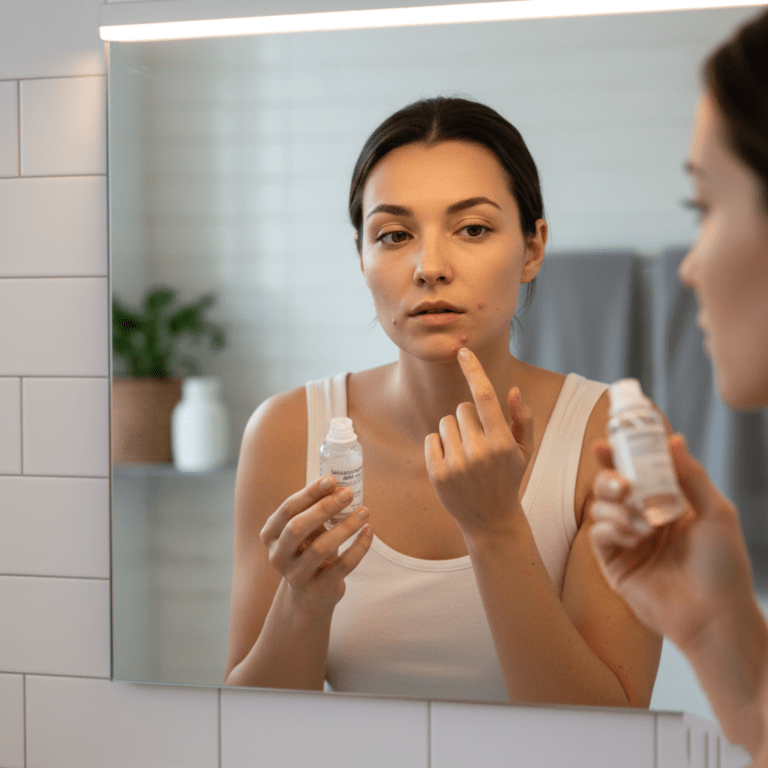
Hydrocolloid patches have become a dermatologist staple for good reason. These small adhesive patches create a sealed environment over the pimple that draws out fluid, absorbs excess oil, and protects the area from bacteria and touching throughout the night. They work particularly well on whiteheads. By morning, the patch typically turns white or opaque as it absorbs the contents of the pimple. Peel it off gently, and the skin underneath is almost always noticeably flatter and less red.
3. Dab on a Salicylic Acid Spot Treatment
Salicylic acid is a beta hydroxy acid that penetrates into the pore and dissolves the buildup of dead skin cells, oil, and debris that caused the blockage in the first place. Unlike benzoyl peroxide, which targets bacteria, salicylic acid addresses the root structural cause of the pimple. Applying a 1% to 2% salicylic acid treatment overnight helps to unclog the pore while reducing surface inflammation. It is particularly effective on blackheads, whiteheads, and closed comedones.
4. Apply 1% Hydrocortisone Cream for Inflammation
When a pimple is deeply red, swollen, or painful, dermatologists sometimes recommend a small amount of over-the-counter 1% hydrocortisone cream applied directly to the area. It is a mild topical corticosteroid that reduces inflammation quickly. This is not something to use nightly or across the whole face, but used sparingly on a single inflamed spot before bed, it can meaningfully reduce redness and swelling by morning. Do not use it for more than a few consecutive nights.
5. Ice the Pimple Before Applying Any Treatment
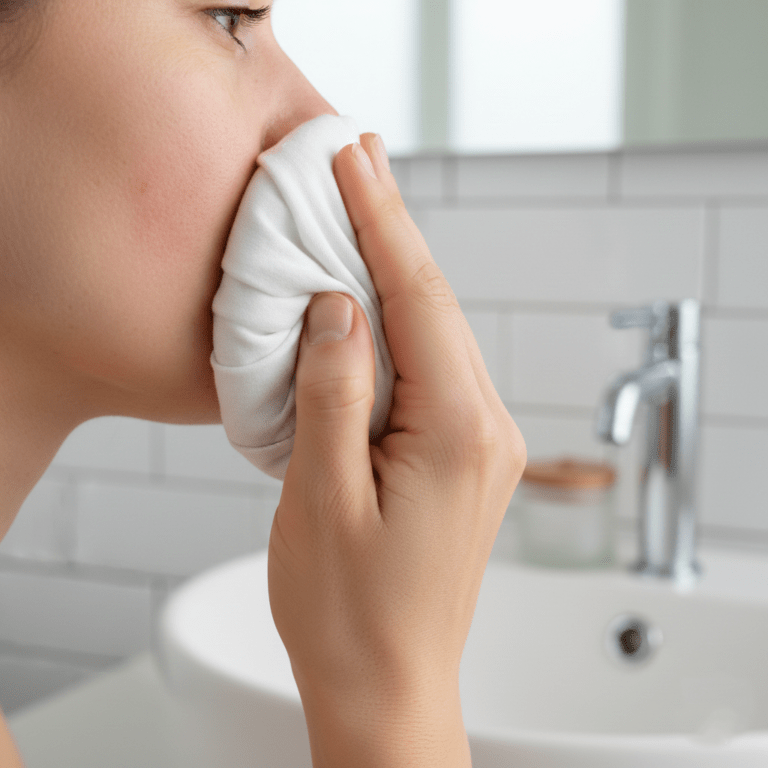
Icing a pimple for 60 to 90 seconds before your treatment routine constricts blood vessels, which reduces redness and swelling immediately. It also temporarily tightens the pore, which can help treatment ingredients penetrate more effectively afterward. Wrap a clean ice cube in a thin cloth and hold it against the pimple gently. Never apply ice directly to the skin without a barrier, as this can cause ice burn.
6. Keep Your Hands Away From Your Face
This sounds obvious, but it is one of the most important overnight pimple removal tips dermatologists give. Touching a pimple repeatedly transfers bacteria from your hands, introduces new irritants, and breaks down the skin barrier around it. At night, this becomes particularly relevant if you tend to rest your face against your hands while sleeping. Try to sleep on your back if possible, or ensure your pillowcase is clean.
7. Never Pop a Pimple Before Bed
Popping a pimple, especially incorrectly, does far more damage than the original blemish. It pushes bacteria deeper into the skin, ruptures the follicle wall, causes post-inflammatory hyperpigmentation, and dramatically increases the risk of scarring. A pimple that has been popped before bed is open and raw — a perfect entry point for more bacteria during the hours you are sleeping. Leave it alone and let the treatment do its work.
8. Change Your Pillowcase Tonight
Your pillowcase collects oil, bacteria, dead skin cells, and residue from your hair products every single night. Sleeping on a dirty pillowcase while trying to treat a pimple is counterproductive. Swap it out for a clean one before bed, and if possible, choose a material that is less absorbent, such as satin or tightly woven cotton. This simple act alone prevents further contamination of the area you are trying to heal.
9. Cleanse Your Skin Gently Before Any Treatment
Whatever treatment you plan to apply, it will only penetrate properly on clean skin. Use a gentle, non-comedogenic cleanser before bed to remove makeup, SPF, oil, and daily buildup. Avoid harsh foaming cleansers that strip the skin — a damaged skin barrier makes inflammation worse. Pat your face dry with a clean towel and let the skin settle for a minute or two before applying your spot treatment.
10. Try a Diluted Tea Tree Oil Application
Tea tree oil has demonstrated antimicrobial properties in clinical studies, and when used correctly, it is a legitimate option for spot-treating pimples. The critical word is diluted. Applying pure tea tree oil to the skin causes burns and irritation. Always dilute it to a 5% concentration by mixing one part tea tree oil with nine parts carrier oil such as jojoba. Apply only to the pimple using a clean cotton swab. At this concentration, it is gentle enough for overnight use and effective enough to reduce bacterial activity.
11. Use a Retinoid or Retinol Spot Treatment
Retinoids work by speeding up cell turnover, which helps bring the contents of a clogged pore to the surface more quickly. They are also anti-inflammatory. If you already use a retinoid as part of your routine, applying a small amount to a new pimple overnight can help it resolve faster. If you are new to retinoids, start with a low-strength over-the-counter retinol and be aware that overuse can cause dryness and peeling. Less is more.
12. Apply Witch Hazel as a Toner Before Your Treatment
Witch hazel is a plant-derived astringent with mild anti-inflammatory and antibacterial properties. Applying it to clean skin before a spot treatment helps remove any remaining traces of oil and temporarily tightens the pore. Use an alcohol-free version to avoid unnecessary dryness. This is not a standalone pimple cure, but as a preparatory step before a benzoyl peroxide or salicylic acid treatment, it improves the environment the treatment is working in.
13. Do Not Layer Multiple Active Ingredients
When people are desperate to get rid of a pimple fast, the temptation is to apply everything at once — benzoyl peroxide, then salicylic acid, then retinol, then tea tree oil. This is one of the most common mistakes dermatologists warn against. Layering multiple actives does not speed things up. It strips the skin, disrupts the barrier, causes irritation, and can actually extend the healing time. Pick one treatment and use it correctly.
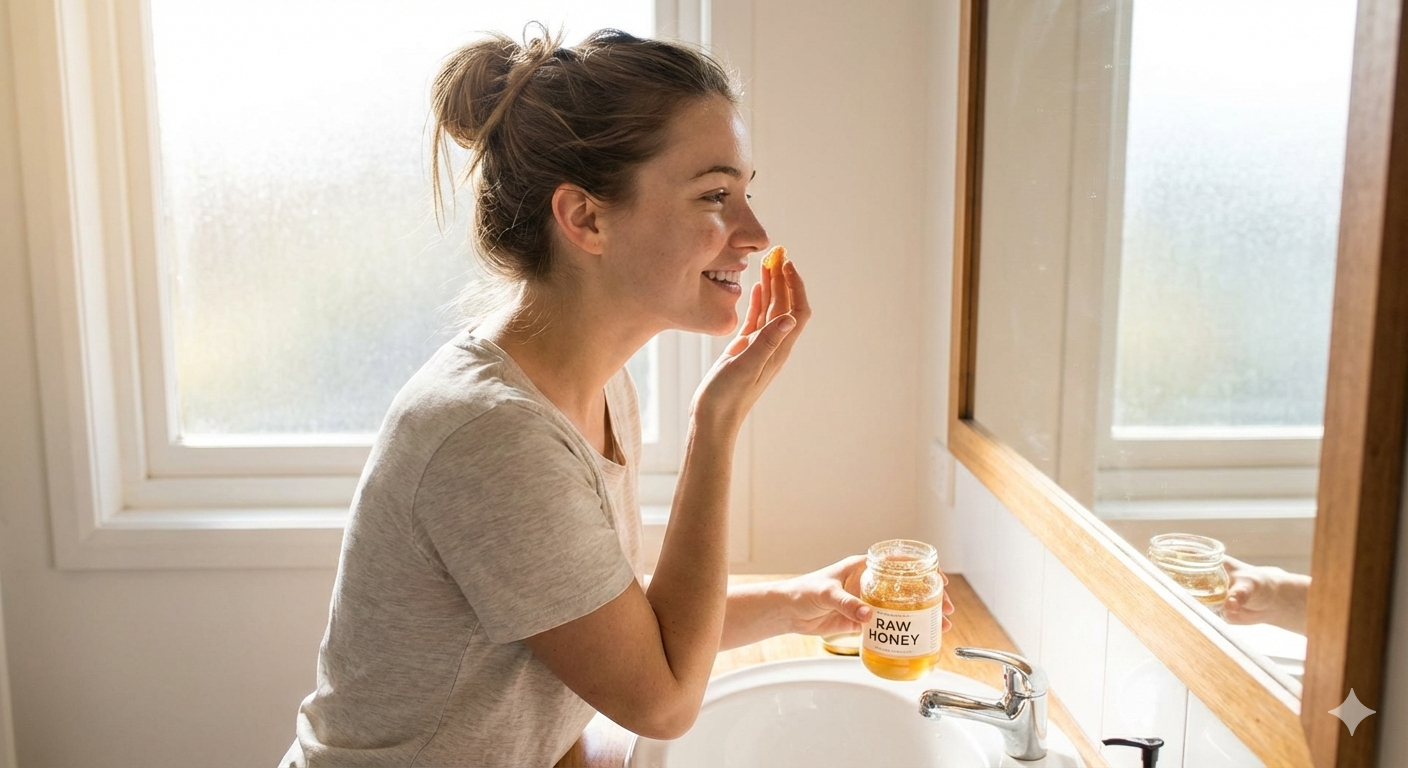
14. Apply a Thin Layer of Raw Honey
Raw Manuka honey has documented antibacterial and wound-healing properties. It creates a moist healing environment over the skin, which helps reduce inflammation and fight bacteria simultaneously. Apply a small amount directly to the pimple, cover it loosely with a small piece of medical tape or a plain bandage, and leave it overnight. It is gentle enough for sensitive skin and causes no dryness. It will not work as fast as benzoyl peroxide on a severe breakout, but for mild to moderate pimples it is a genuinely effective and skin-kind option.
15. Moisturize Around the Pimple, Not Just the Pimple Itself
A common misconception is that moisturizing near a pimple will make it worse. In reality, dry and compromised skin around a pimple makes healing slower and the pimple appear more inflamed. Apply a lightweight, non-comedogenic moisturizer to the rest of your face, carefully avoiding the active treatment area if you have applied a drying ingredient like benzoyl peroxide. A healthy skin barrier around a pimple heals faster than dry, flaking skin.
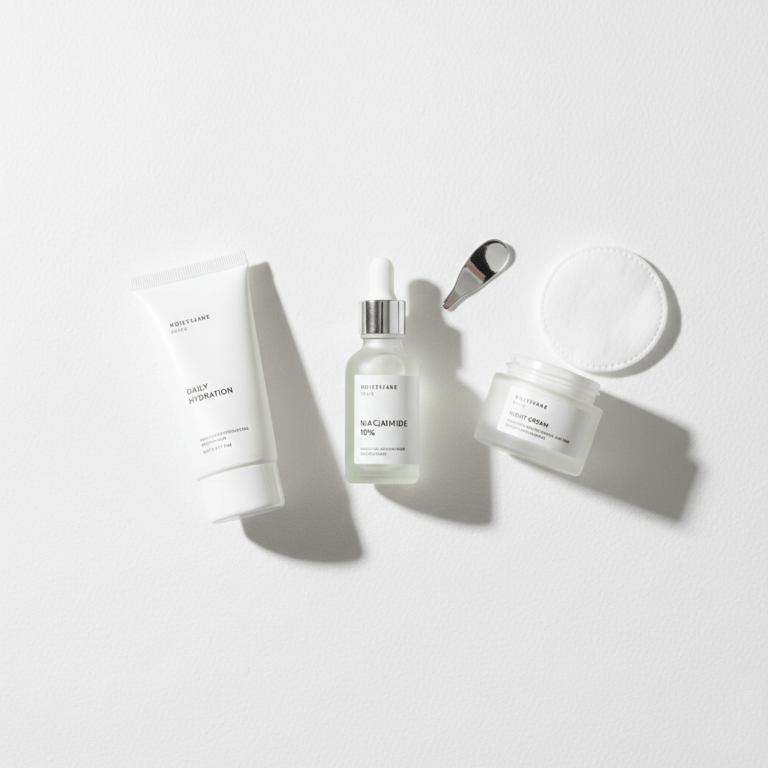
16. Use Niacinamide to Calm Redness
Niacinamide is a form of vitamin B3 that is well-tolerated by most skin types, including sensitive and acne-prone skin. It reduces redness, regulates oil production, and has mild anti-inflammatory effects. Applying a niacinamide serum before bed — not directly on top of an active treatment, but as part of your routine — helps calm the surrounding skin and creates a less irritated environment for healing. It pairs well with hydrocolloid patches when used underneath them.
17. Avoid Heavy Occlusive Products Near a Breakout
Petroleum jelly, heavy creams, and thick balms are highly occlusive — they seal everything underneath them. While this is beneficial for dry patches and healing wounds, applying them over or near an active pimple can trap oil and bacteria against the skin and worsen the breakout. If you love the concept of skin slugging, apply petroleum jelly only to dry areas and keep it well away from acne-prone zones overnight.
18. Get Enough Sleep
This is not filler advice — sleep directly affects how your skin heals. During deep sleep, the body produces human growth hormone, which is involved in tissue repair and cell regeneration. Cortisol levels also drop, which reduces systemic inflammation. A pimple on a person who slept well for seven to eight hours heals measurably faster than one on a person who slept four or five. Whatever treatment you apply, the quality of your sleep determines how well your skin can act on it.
19. Avoid Touching Your Face During Your Routine
During your evening skincare routine, use clean tools where possible — cotton swabs for applying spot treatments, clean fingers only when necessary. Ensure your hands are washed before touching your face at any point during your routine. Cross-contamination during the routine itself is one of the most overlooked causes of spreading bacteria to surrounding pores and making a single pimple a small cluster by morning.
20. Consider a Green Tea Extract Application
Green tea contains epigallocatechin gallate, an antioxidant compound that has been studied for its ability to reduce sebum production and inflammation in acne-prone skin. Cooled green tea applied with a clean cotton pad to the skin before your spot treatment creates a calming, mildly antibacterial base. Some skincare products also now formulate green tea extract into serums and toners specifically for acne-prone skin. It is gentle, inexpensive, and supported by a reasonable body of research.
21. Be Consistent, Not Aggressive
The single most important principle across all overnight pimple removal tips is this: one careful, targeted treatment applied consistently will outperform five aggressive products applied in frustration. Skin that is over-treated becomes irritated, inflamed, and slower to heal. Choose one method appropriate for your skin type and the type of pimple you have, apply it correctly, and let your skin do its work overnight. Resist the urge to check it at 2am or add more product. Trust the process and give it time.
What Type of Pimple Are You Dealing With?
Not all pimples respond to the same treatment. Knowing what you are looking at helps you choose the right overnight approach from the list above.
- Whitehead — A closed pimple with a white or yellow center. Hydrocolloid patches and benzoyl peroxide are most effective here.
- Blackhead — An open clogged pore that has oxidized. Salicylic acid is the best overnight option to break down the blockage.
- Papule — A red, raised bump with no visible head. Hydrocortisone cream and icing work well to bring down swelling.
- Pustule — A papule with visible pus. Benzoyl peroxide and hydrocolloid patches are the most targeted options.
- Cystic pimple — A large, painful, deep lump beneath the skin surface. Over-the-counter treatments have limited impact here. A dermatologist can inject it with a cortisone solution for rapid results. Ice and hydrocortisone cream can reduce surface inflammation in the meantime.
Frequently Asked Questions
Can you really remove a pimple overnight?
You may not be able to make it disappear entirely in one night, but you can significantly reduce its size, redness, and visibility. Hydrocolloid patches and benzoyl peroxide treatments are the most reliable options for overnight improvement in most pimple types.
Is it safe to apply toothpaste on a pimple overnight?
No. Despite being a widely shared home remedy, toothpaste contains ingredients such as sodium lauryl sulfate, fluoride, and flavoring agents that are not formulated for skin contact. They can cause chemical burns, dryness, and irritation. There are far more effective and safer options available, including the ones listed above.
How long does it take for a pimple to go away with treatment?
A surface-level whitehead or pustule treated correctly can improve significantly within one night and resolve fully in two to three days. Deeper papules and cysts take longer — typically five to seven days with consistent treatment, sometimes more. Cystic acne may require professional intervention.
What should I avoid putting on a pimple overnight?
Avoid toothpaste, undiluted essential oils, lemon juice, baking soda, rubbing alcohol, and hydrogen peroxide. These are all too harsh for facial skin and cause more irritation than healing. Also avoid layering multiple active ingredients, which leads to barrier damage and slower recovery.
Final Thoughts
Overnight pimple removal is not about finding a dramatic shortcut. It is about understanding what your skin needs, choosing the right targeted treatment, and giving your skin the uninterrupted time it needs to respond. Dermatologists trust these approaches not because they are trendy, but because they are backed by how skin biology actually works. Pick the right tip for your pimple type, apply it tonight, and let your skin do what it does naturally — heal.
If your breakouts are frequent, painful, or not responding to any over-the-counter treatment after several weeks, it is worth speaking with a board-certified dermatologist. Prescription-strength treatments can make an enormous difference when the skin needs more than what is available on a pharmacy shelf.
If this post helped you, save it to your Pinterest skincare board so you can find it the next time a pimple shows up uninvited. Share it with a friend who needs a reliable, no-nonsense guide to clearing skin overnight. The tips that dermatologists trust are worth passing on.
